
Menu
Jingdezhen · Today
2000 – Present
Craft, industry, education, studios, commerce and heritage — in one working city
Jingdezhen Today

Ecology
There is no single system behind Jingdezhen porcelain today. Production is spread across family workshops, specialist suppliers of clay, glaze and moulds, painting studios, kiln services, larger factories and independent makers. One object may pass through several of them before it is finished.
Photo: Xiyuan Du / Unsplash

Craft
Throwing, trimming, underglaze painting, enamel work, carving and kiln control are still taught and practised — often by specialists who have worked in one discipline for decades. Jingdezhen Ceramic University and other schools train new generations, and new studios apply these skills to contemporary forms, from tea ware to design objects.
Photo: jason hu / Unsplash
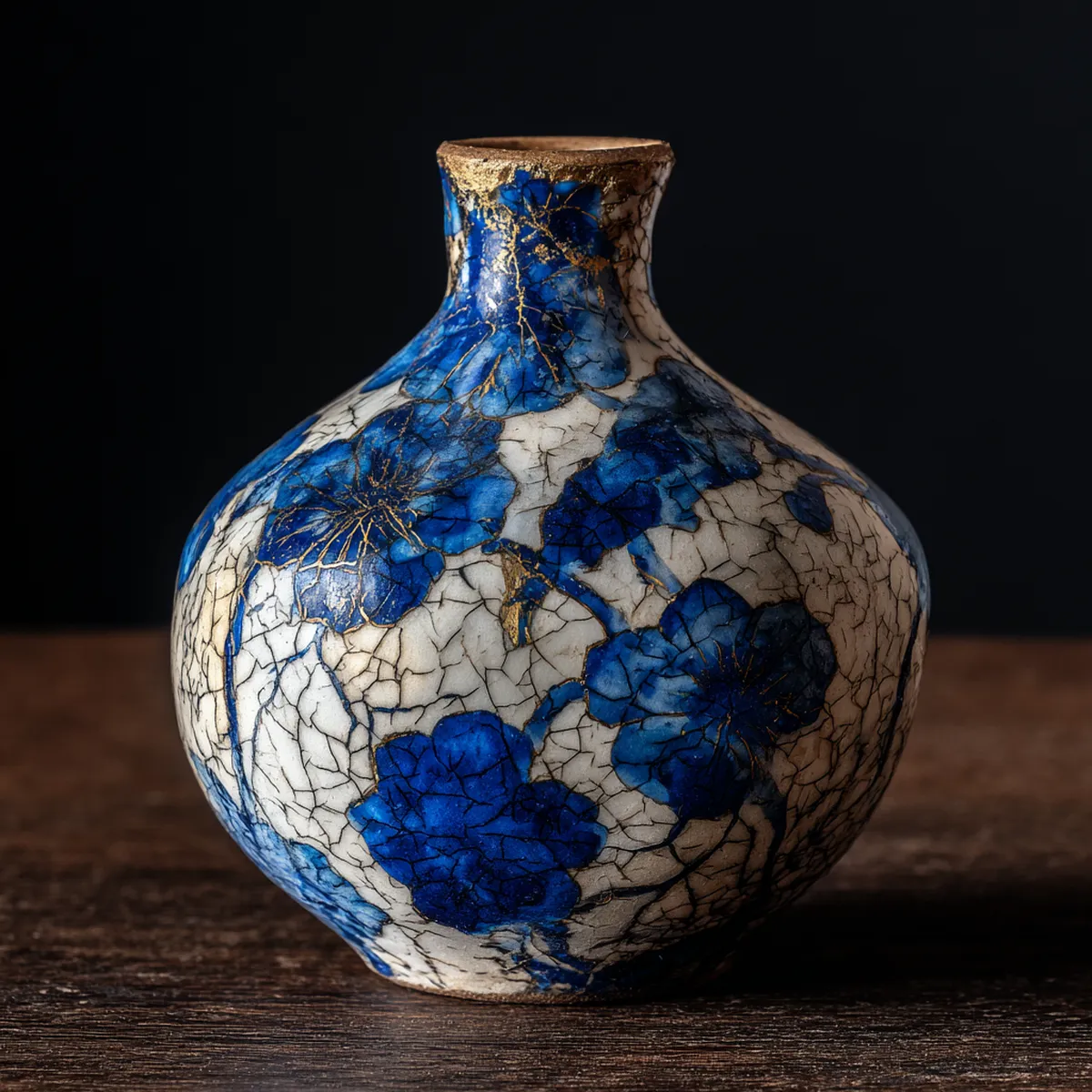
People
Jingpiao (景漂) — roughly “those who drifted to Jingdezhen” — is the local name for makers who have moved to the city from elsewhere in China and from abroad. Students, designers, artists and craftspeople rent workshops, share kilns and sell at the city’s creative markets, bringing new ideas into an old production system.

Industry
Alongside the studios, industrial and semi-industrial production continues. Several former state porcelain factory sites — Taoxichuan among them — have been converted into cultural districts with studios, museums and markets, while other factories still produce at scale. Studio work and industry depend on the same suppliers, kilns and skills.
Photo: Zhaoli Jin / Unsplash