
Menu
Blue Fir · Place
For more than a thousand years, porcelain has shaped the landscape, economy and identity of Jingdezhen. Raw materials, kilns, workshops, merchants and makers formed a production system that connected this city to the rest of the world.
Blue Fir works here — inside a living porcelain culture, not beside a historical monument.
Explore Jingdezhen ↓
Jingdezhen · Photo: Zhaoli Jin / Unsplash
The City and Landscape
Jiangxi · porcelain stone · kaolin · river transport · kiln districts
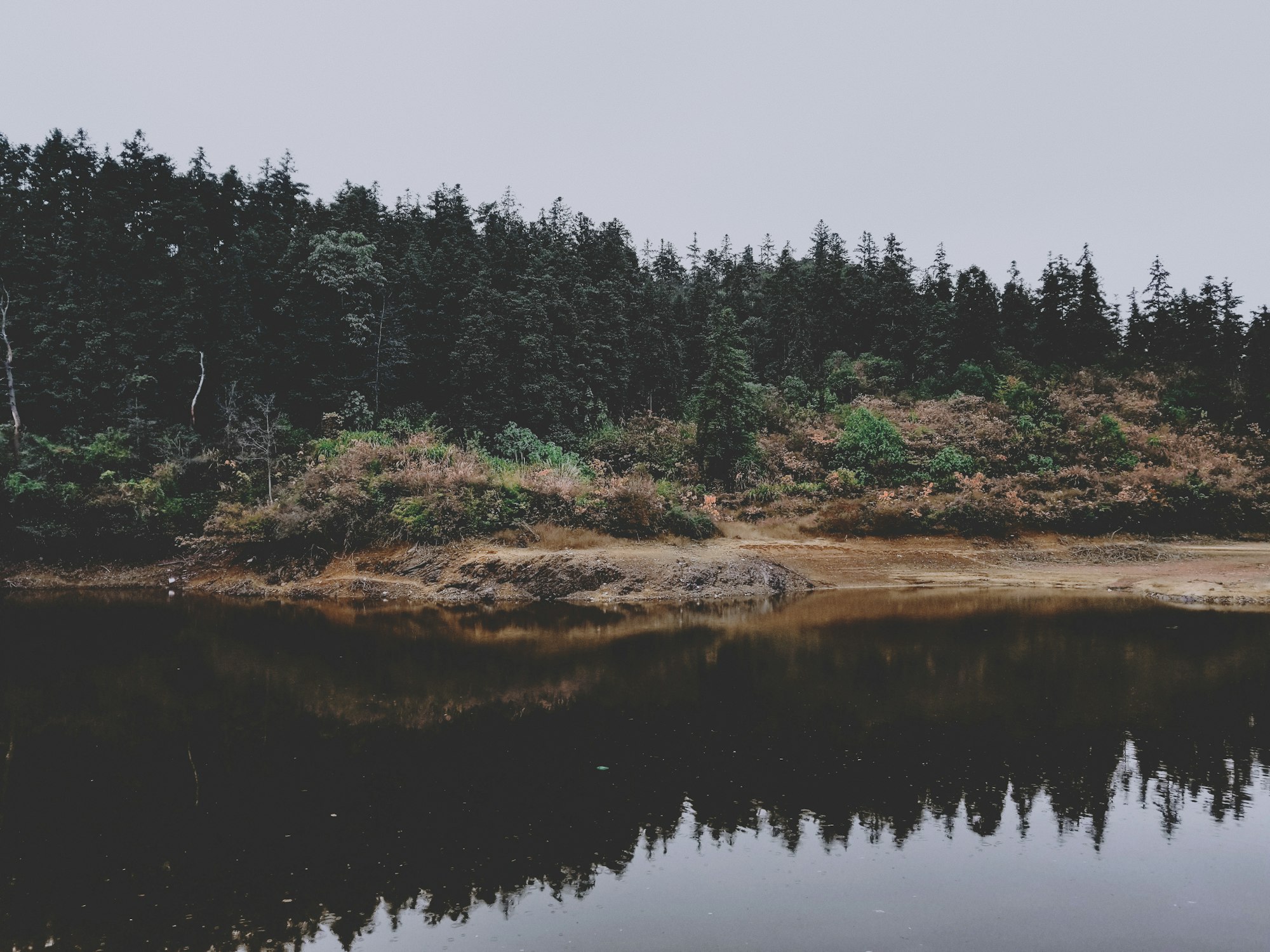
Jingdezhen · Photo: Baijia Dai / Unsplash
Earth
Jingdezhen’s porcelain tradition begins with geology. Porcelain stone and kaolin-rich materials from the surrounding region formed the basis of its high-fired bodies.
Explore Materials →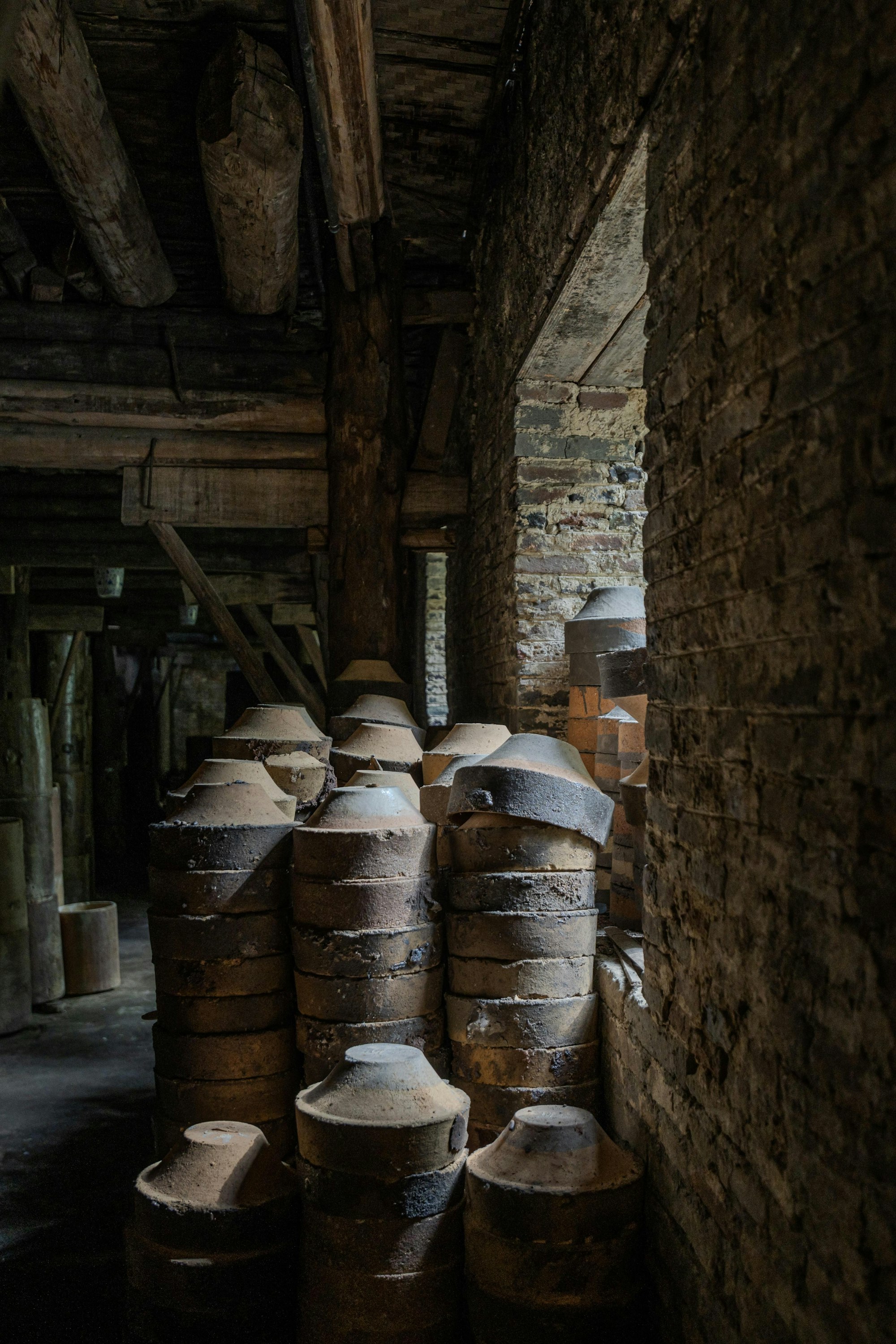
Fire
Kiln design, firing control and specialised labour developed alongside the city. Imperial and civilian kilns operated within a larger production network rather than as isolated workshops.
Explore Techniques →
Craft
Jingdezhen became highly specialised. Forming, trimming, painting, glazing and firing could be carried out by different craftspeople, each responsible for one part of the object.
How We Work →World
From the Yuan and Ming periods onward, Jingdezhen porcelain travelled through court networks and international trade, shaping ceramic traditions far beyond China.
Explore Periods →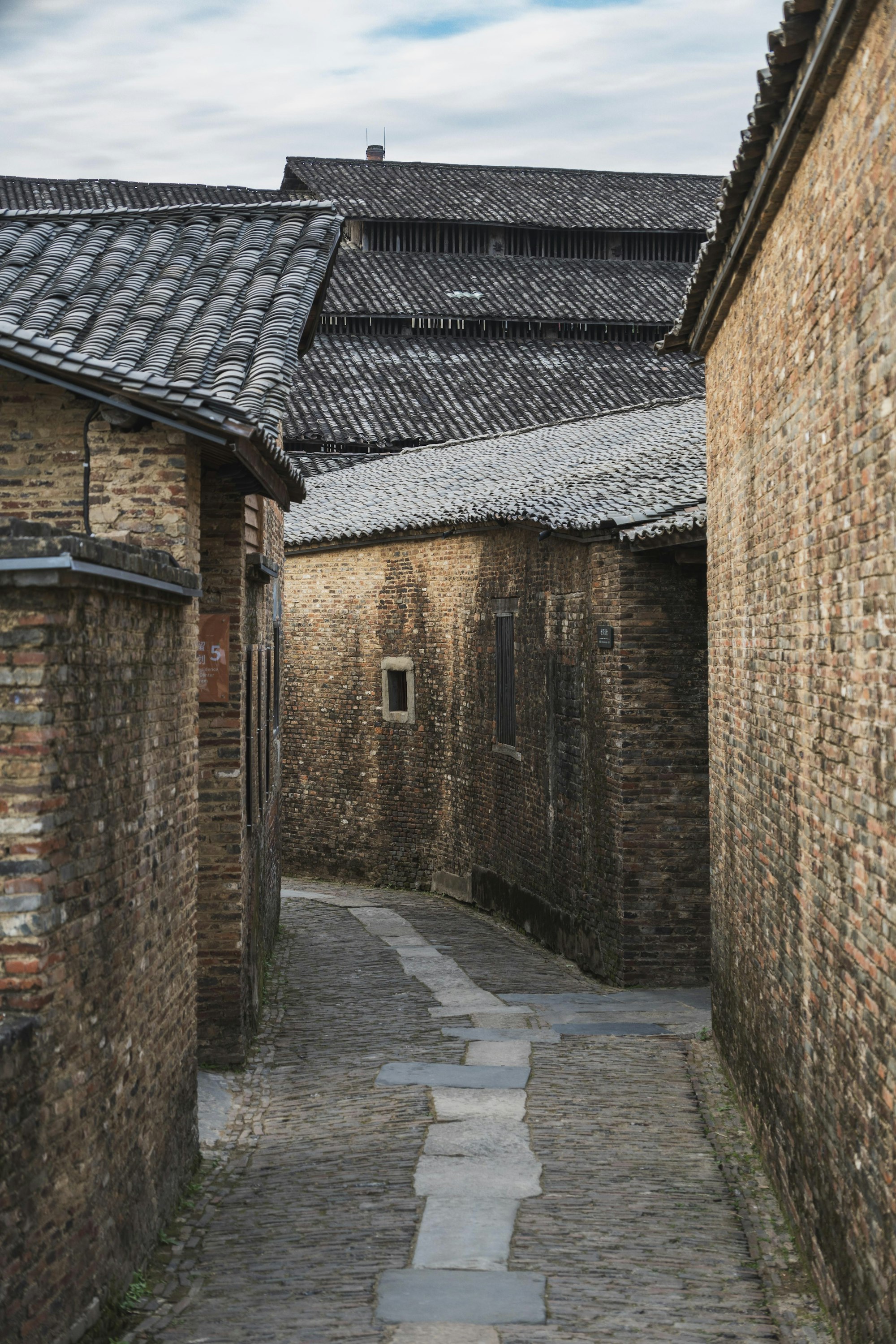
01 · Heritage
The physical and working heritage of Jingdezhen: kiln sites, raw-material landscapes, imperial production, civilian workshops and the specialised organisation that made large-scale porcelain production possible.
Explore Heritage →02 · History
Follow the transformation of Jingdezhen from regional kiln centre to imperial production system and global porcelain capital.
Explore the Periods →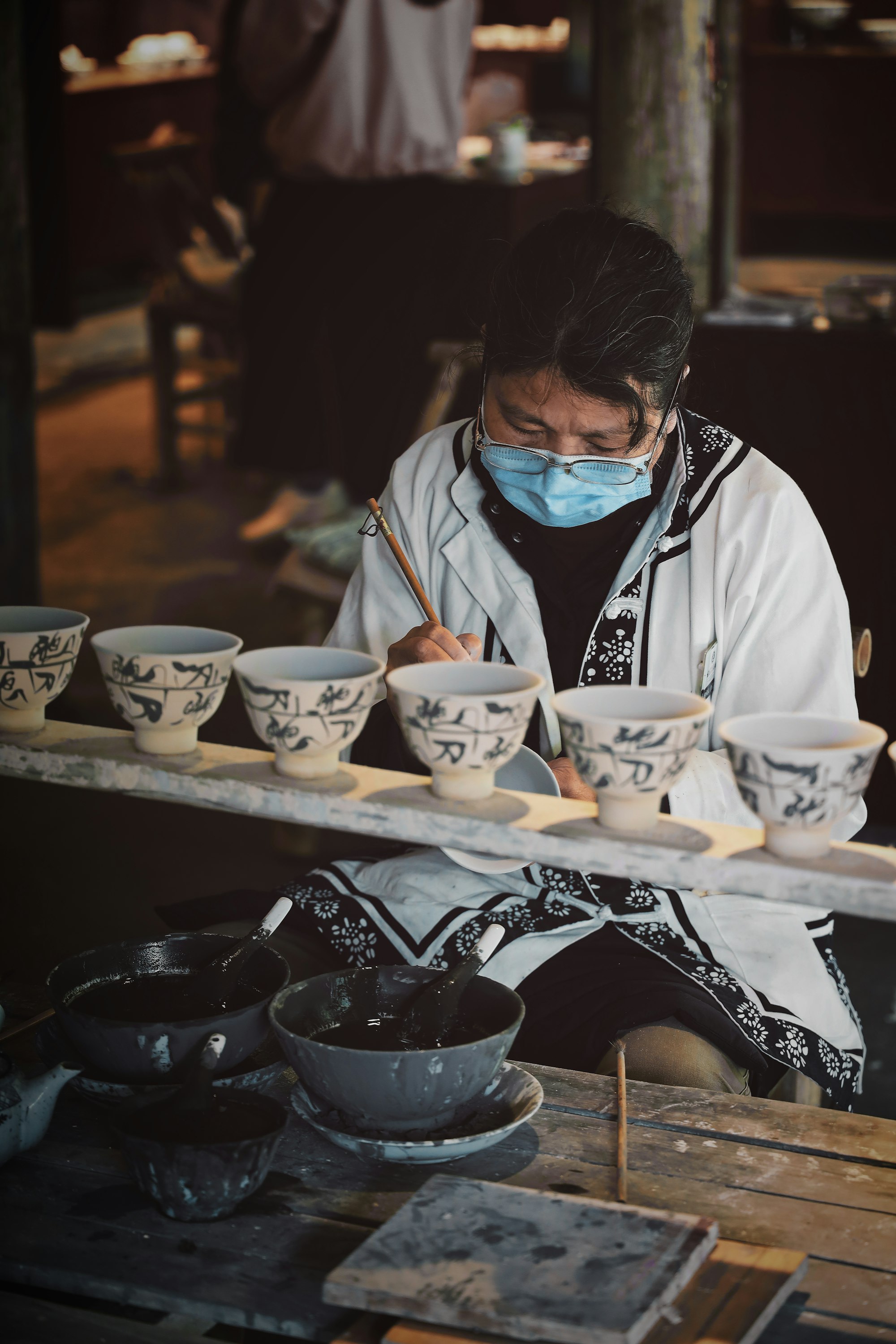
03 · Contemporary
Jingdezhen is still a production city. Independent studios, former factory districts, universities, specialist workshops and migrant makers now coexist with industrial production.
Explore Jingdezhen Today →Living Jingdezhen

Welcome
Jingdezhen is best understood in person. Visit the museums and kiln sites. Meet young makers and specialist craftspeople. Walk through old factory districts and contemporary studios. Drink tea from Jingdezhen porcelain and see how objects are made before they become part of a collection.
For collectors and clients who have built a longer relationship with Blue Fir, we are happy to receive you in Jingdezhen and introduce the city personally — from museums and historical sites to working studios, makers and the places where we ourselves spend time.
Porcelain becomes easier to understand when you know the place, the people and the hands behind it.
Plan a visit to Jingdezhen →Continue exploring