
Menu
The Tradition
Nine periods of ceramic production in Jingdezhen — the deeper history behind what Blue Fir selects and makes today.
Deeper Knowledge · Periods
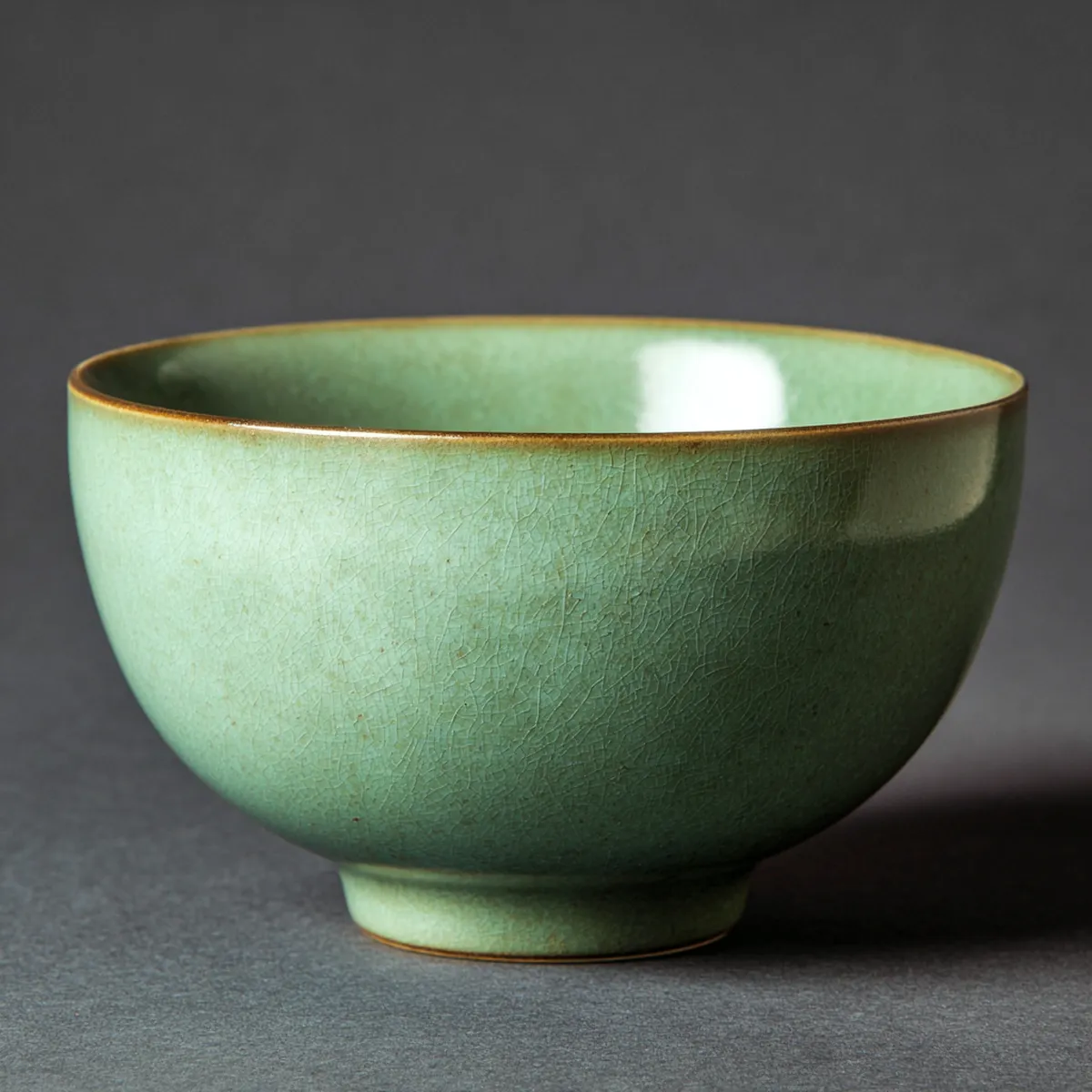
960 – 1279
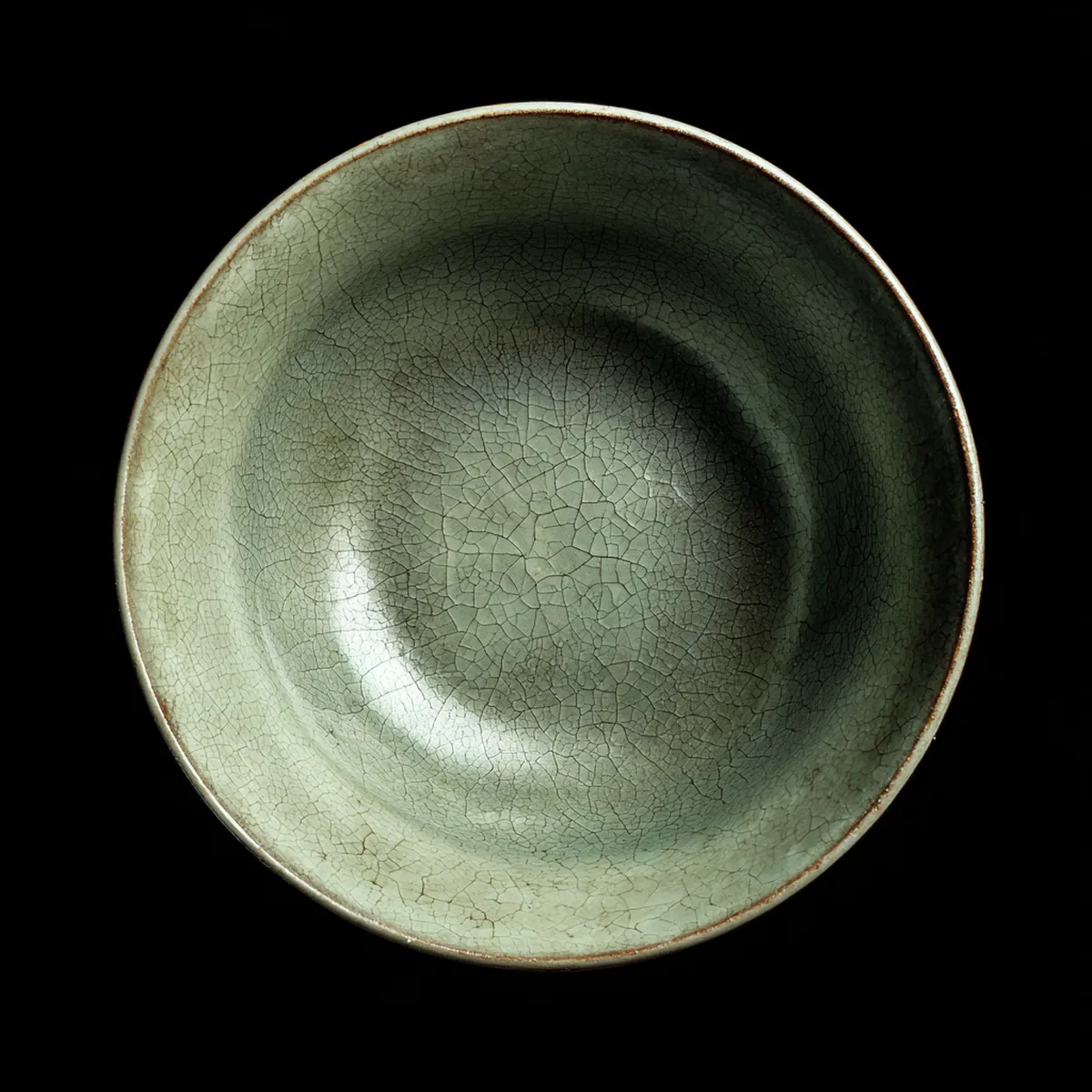
Regional kiln diversity. Aesthetic philosophy privileged form and glaze over decoration. Jingdezhen emerged among competing production centres but had not yet achieved dominance.
→ Song DynastyProduction Authority
Court patronage distributed across multiple kiln centres — Ru, Guan, Ge, Ding, Jun. No centralised imperial kiln system existed. Jingdezhen operated as one regional producer among many.
Material & Technical Shift
Celadon and qingbai (shadow blue) glazes dominated. High-fired stoneware and proto-porcelain refined. Kiln technology remained wood-fired, regionally varied.
Market Orientation
Court consumption through tribute and commission. Limited export. Internal trade between regional markets drove production variety.
Structural Tension
Aesthetic refinement versus production efficiency. Multiple regional traditions competed without centralised standardisation.

1271 – 1368
Mongol administration centralised Jingdezhen production. Persian cobalt introduced underglaze blue painting. Export scale transformed the city from regional kiln centre to global supplier.
→ Yuan DynastyProduction Authority
Fuliang Porcelain Bureau (浮梁磁局) established 1278 — first state oversight of Jingdezhen production. Mongol administration prioritised trade output over court refinement.
Material & Technical Shift
Persian cobalt (smalt) imported via Central Asian trade routes. Underglaze blue technique developed on large-format vessels. Kaolin-petuntse porcelain body standardised.
Market Orientation
Export-driven. Large vessels produced for Islamic markets — dishes, jars, ewers scaled to West Asian dining customs. Court consumption secondary to trade volume.
Structural Tension
Scale versus refinement. Export demand drove production volume; decorative programmes responded to foreign taste rather than Chinese aesthetic tradition.
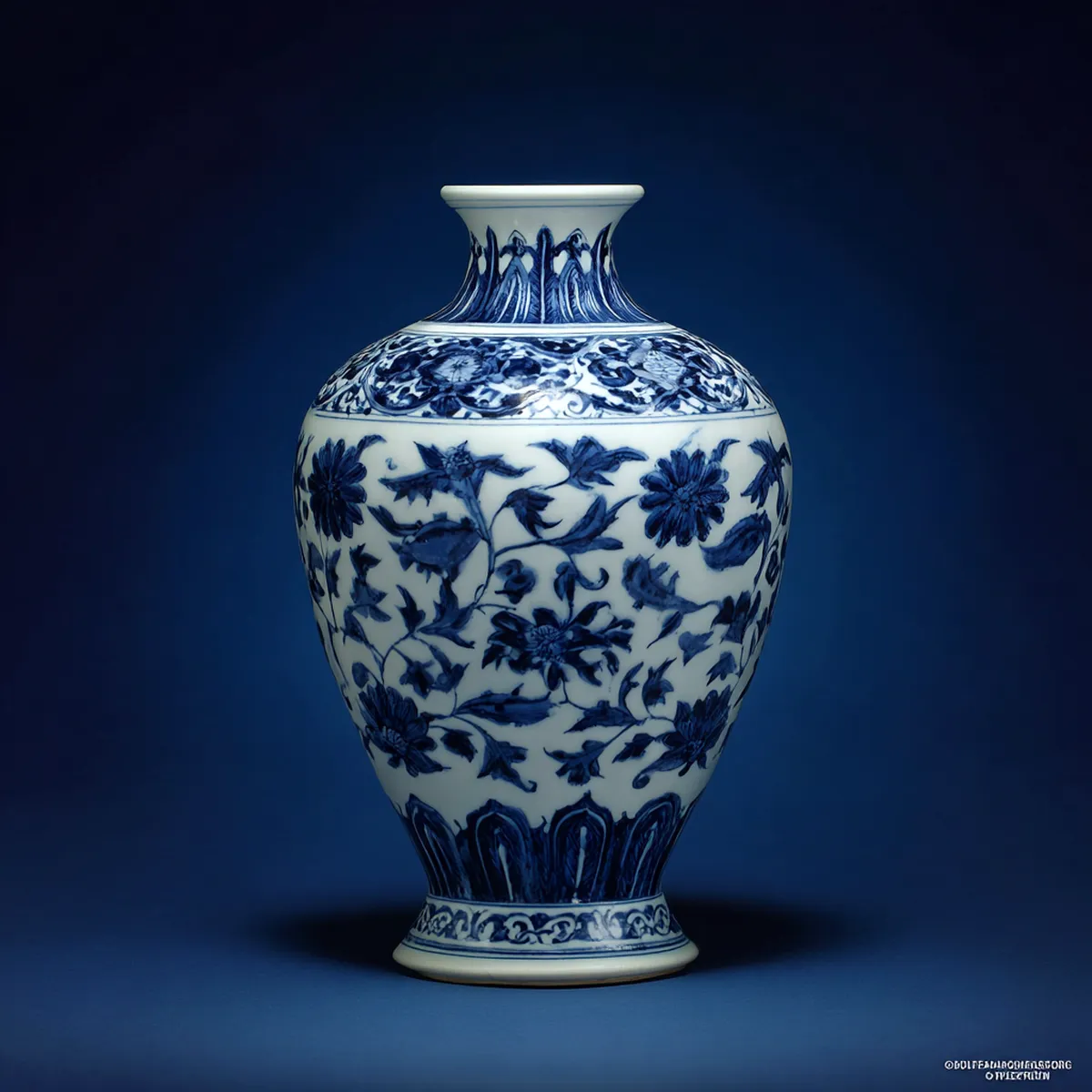
1368 – 1644
Imperial codification. The Yuyaochang (Imperial Kiln Factory) brought state management to ceramic production. Reign marks, enamel families, and decorative programmes were systematised across multiple imperial administrations.
→ Ming DynastyProduction Authority
Imperial Kiln Factory (御窑厂) established under Hongwu. Court controlled design, quality, and output. Private kilns (民窑) operated in parallel but under regulation.
Material & Technical Shift
Domestic cobalt replaced Persian imports. Doucai and wucai enamel systems developed. Firing precision improved through dragon kiln refinement. Reign mark system standardised attribution.
Market Orientation
Court consumption primary. Tribute system formalised. Export expanded through private channels, particularly to Southeast Asia and Japan. Late Ming saw significant commercial production.
Structural Tension
Imperial control versus private enterprise. Standardisation versus regional variation. Archaistic copying versus innovation.
+ Hongwu (1368–1398) — System Reorganisation
Prohibition of luxury. Kiln system restructured after Yuan dissolution. Early imperial blue-and-white austere and heavy-bodied. Foundation of state control over ceramic output.
+ Yongle (1402–1424) — Diplomatic Expansion & Material Refinement
Zheng He voyages expanded diplomatic demand. Porcelain as state gift. Tianbai (sweet white) glaze perfected. Large-scale ceremonial vessels produced for Southeast Asian courts.
+ Xuande (1426–1435) — Cobalt Intensification
Domestic cobalt sourcing refined. Iron-rich heaping-and-piling effect on finest blue-and-white. Orange-peel glaze texture. Considered the technical apogee of Ming underglaze painting.
+ Chenghua (1465–1487) — Intimate Enamel Codification
Doucai (contrasting colour) technique perfected. Intimate scale — chicken cups, stem cups. Delicate painting supplanted bold Yuan-derived brushwork. Court taste shifted toward refinement over monumentality.

1644 – 1912
Technical complexity increased. Production scale expanded. Export volume intensified. Quality stratification widened. The Qing period represents institutional consolidation rather than singular achievement.
→ Qing DynastyProduction Authority
Imperial Household Department (内务府) administered kiln output. Tang Ying (1728–1756) professionalised supervision. State and private production increasingly intertwined in late Qing.
Material & Technical Shift
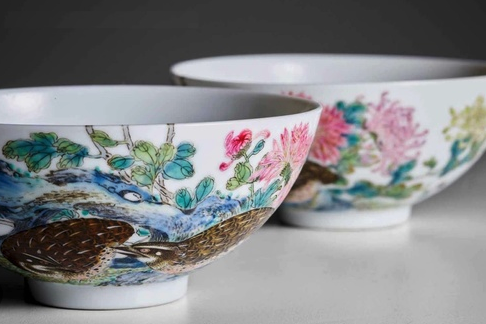
Famille rose (fencai) and famille verte (wucai) enamel palettes expanded. Overglaze technique sophistication increased. European influence entered through Jesuit intermediaries and Canton trade.
Market Orientation
Dual system: imperial court production and massive export industry operated simultaneously. Canton became primary export port. European demand drove armorial and custom-order production.
Structural Tension
Refinement versus volume. Imperial quality standards contested by export-grade mass production. Technical virtuosity coexisted with declining material quality in later periods.
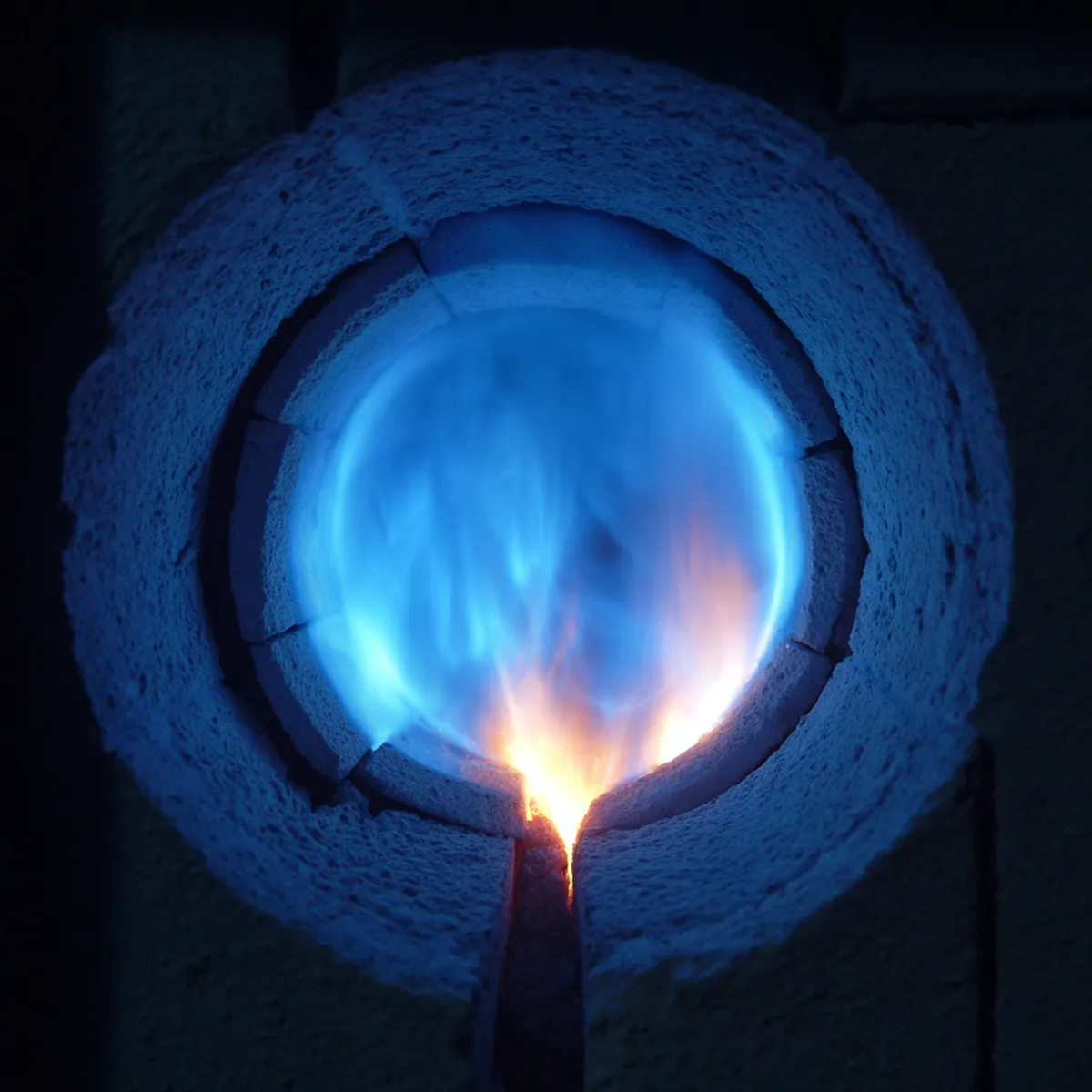
1850 – 1912
Imperial patronage collapsed. Foreign competition from European ceramics intensified. Industrial methods entered Jingdezhen production alongside traditional kiln practices.
Production Authority
Imperial kiln system effectively dissolved after Taiping Rebellion disruption (1853–1864). Private workshops and merchant guilds assumed primary control. Foreign trade companies influenced output.
Material & Technical Shift
Machine-milled materials introduced alongside hand-processed clays. Transfer printing and industrial glazing techniques adopted selectively. Traditional firing methods persisted in parallel.
Market Orientation
Export demand shifted to mass-market goods. Quality porcelain production contracted. Domestic market fragmented between traditional and industrialised output.
Structural Tension
Tradition versus industrialisation. Survival economics versus craft integrity. Foreign competition versus domestic adaptation.

1912 – 1949
The imperial system ended. Jingdezhen’s institutional framework dissolved. Individual artist-potters emerged — the “Eight Friends of Zhushan” (珠山八友) — as ceramic production shifted from anonymous institutional output to signed authorial work.
Production Authority
No state system. Individual artist-potters operated independently. Guild structures dissolved. The "Eight Friends of Zhushan" (珠山八友) established personal studio practices.
Material & Technical Shift
Overglaze enamel painting became pictorial art. Porcelain panels (瓷板画) emerged as primary format. Traditional materials continued but decorative approach shifted from pattern to painting.
Market Orientation
Domestic collector market replaced court consumption. Signed works sold through Shanghai and regional dealers. Export declined. Ceramics entered Chinese art market as authored objects.
Structural Tension
Individual authorship versus anonymous craft tradition. Fine art aspiration versus artisan identity. Collector market versus industrial decline.

1950 – 1978
State-owned enterprises replaced private workshops. Ten major ceramics factories established. Production standardised under central planning. Political decorative programmes dominated output.
Production Authority
State-owned enterprises (国营企业) replaced all private workshops. Ten major ceramics factories established under central planning. Production quotas set by ministry directive. Individual artistic autonomy eliminated.
Material & Technical Shift
Standardised material inputs across factories. Mechanised production lines introduced. Political iconography — Mao portraits, revolutionary slogans, worker-peasant-soldier imagery — dominated decorative programmes.
Market Orientation
No market pricing. Distribution through state allocation. Export functioned as diplomatic instrument — state gifts and trade fair displays. Domestic consumption standardised through department store networks.
Structural Tension
Political compliance versus artistic expression. Standardisation versus regional ceramic traditions. Collective production versus individual craft knowledge preservation.
1978 – 2000
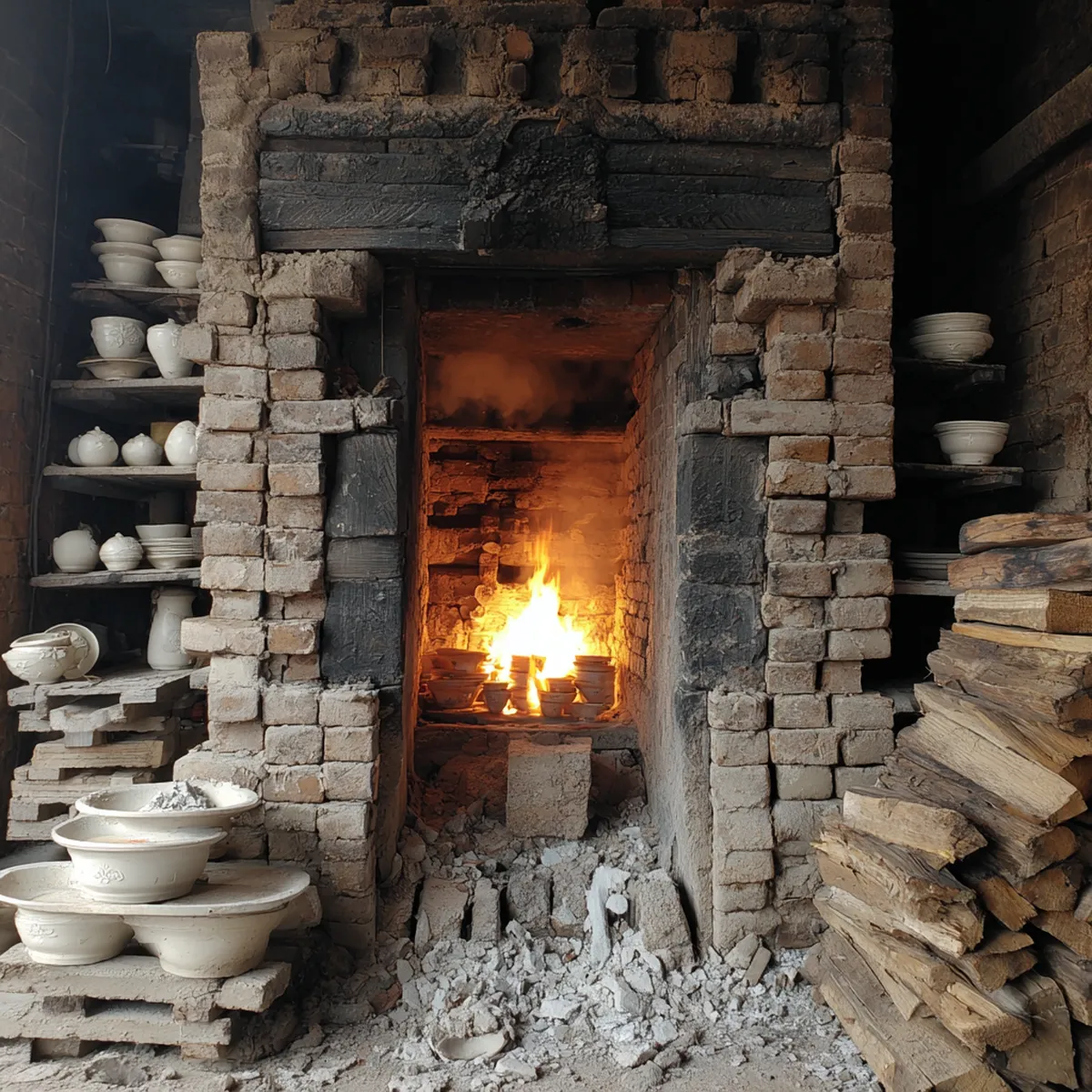
State factories privatised or closed. Traditional wood-firing techniques revived. Jingdezhen Ceramic Institute assumed preservation and research role. Market economy reintroduced individual production.
Production Authority
State factories privatised, downsized, or closed. Individual workshops re-emerged. Jingdezhen Ceramic Institute (景德镇陶瓷学院) became primary institutional authority for technique preservation and material research.
Material & Technical Shift
Traditional wood-firing revived alongside gas kiln adoption. Academic research recovered historical glaze formulations. Experimental material approaches began within institutional frameworks.
Market Orientation
Domestic market economy returned. Tourism began shaping production. Early export revival through trade fairs. Collector interest in pre-revolutionary and contemporary work emerged.
Structural Tension
Preservation versus innovation. Academic authority versus commercial production. State factory legacy versus private enterprise emergence.
2000 – present
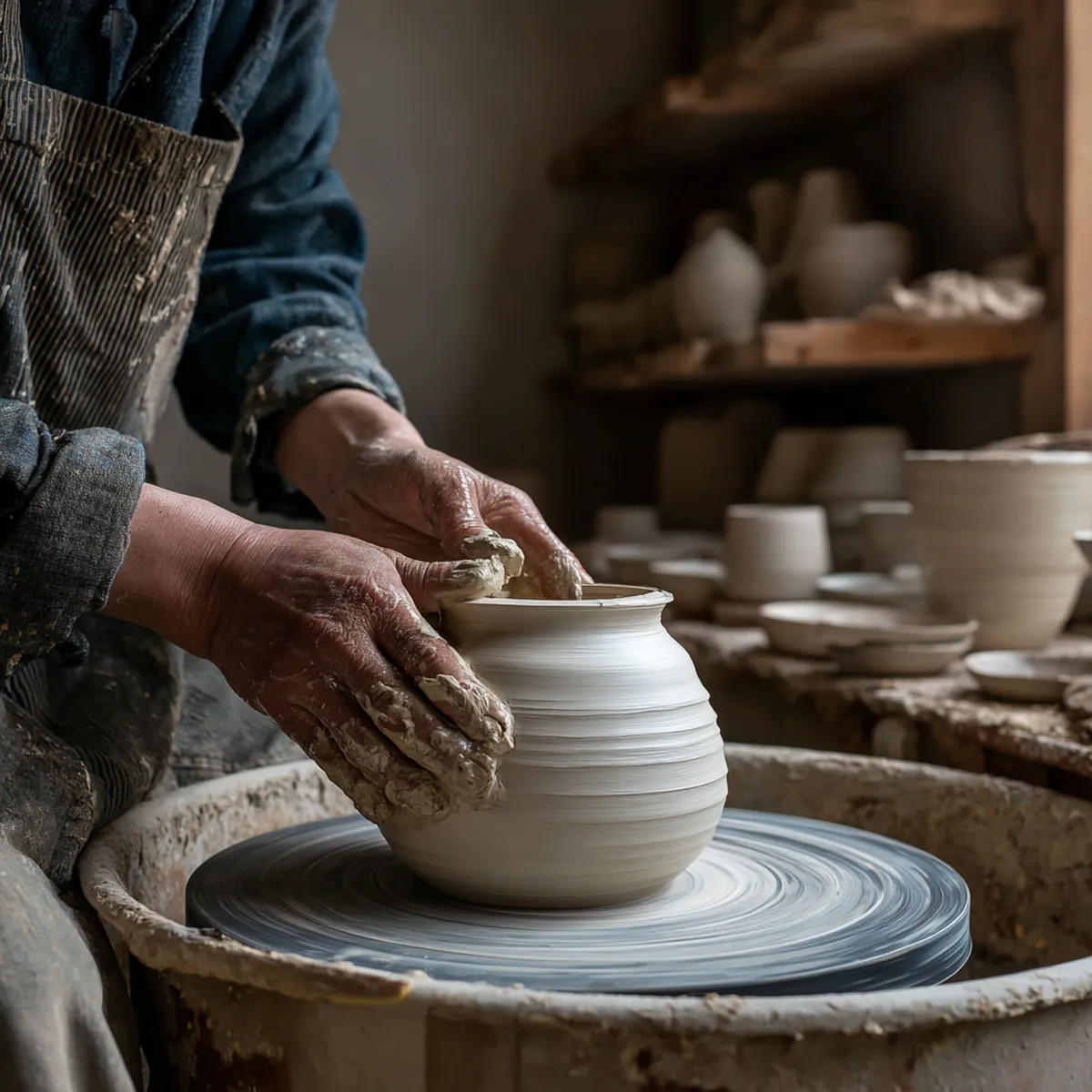
Mass production coexists with independent studio practice. “Jingpiao” (景漂) migrant artists established parallel creative economy. Global art market integration. E-commerce and livestream sales transformed distribution.
Production Authority
Dual system: industrial factories produce commodity ceramics alongside independent studio practitioners. No centralised authority. Market determines output. Jingdezhen Ceramic University and private academies train practitioners.
Material & Technical Shift
Digital design tools adopted. Traditional techniques preserved and taught. Experimental materials — porcelain paper clay, mixed media, sculptural forms — expanded practice beyond functional ware.
Market Orientation
Global art market access through galleries, fairs, and auction houses. Domestic e-commerce (Taobao, Douyin livestream) transformed mass distribution. Tourism and residency programmes attract international practitioners.
Structural Tension
Mass production versus studio craft. Commercial output versus artistic ambition. Local artisan traditions versus migrant artist innovation. Heritage preservation versus contemporary experimentation.
Periods connects the material and visual language of porcelain to the changing production history of Jingdezhen.
Chronological Overview
960 – 1279
Regional kiln diversity. Form and glaze over decoration. The philosophical foundation of Jingdezhen.

1271 – 1368
Mongol administration centralised production. Persian cobalt introduced blue-and-white to the world.

1368 – 1644
Imperial codification. Thirteen reigns. Blue-and-white at its apex. Doucai and wucai enamels.

1644 – 1912
Technical mastery at its zenith. Ten reign periods. Famille rose, monochrome glazes, export volume.
.png)
c. 1620s – 1683
Between dynasties. Kraak porcelain, bold brush execution, Japanese market wares.
.png)
c. 1850 – 1912
Imperial kiln system weakened. Foreign competition. Mechanisation began.
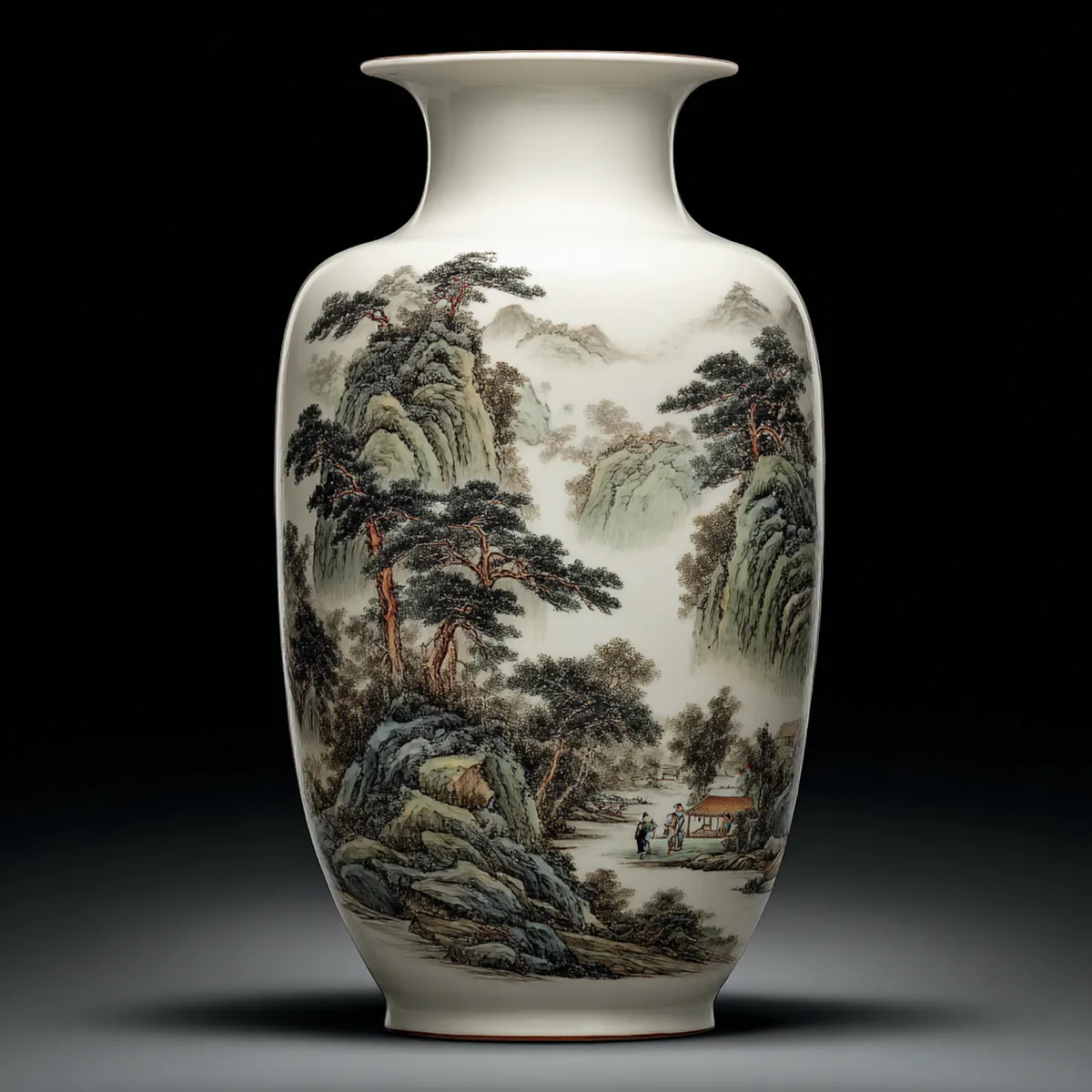
1912 – 1949
Imperial system ended. Individual painters. Market reorientation.
%20.png)
1950 – 1978
State-owned enterprises replaced private workshops. Ten major ceramics factories.
.png)
1978 – 2000
State factories privatised. Traditional wood-firing revived. Studio practice re-emerged.
2000 – present
Mass production coexists with studio practice. Jingpiao migration reshapes the creative ecology.
Continue exploring
Contemporary
Jingdezhen as a working porcelain city today →