
Menu
釉下彩
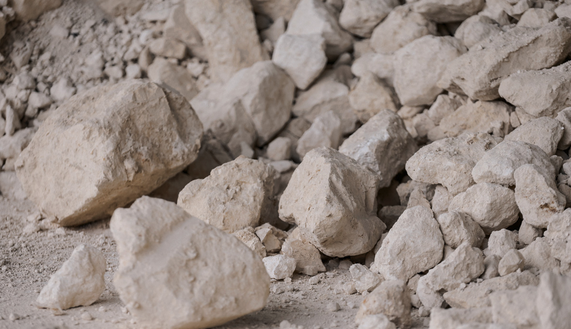
Decoration applied before the glaze firing, becoming visually integrated with the porcelain body and glaze.
Technical Structure
A pigment — cobalt for blue, copper for red — is applied to the unfired or biscuit porcelain body. The piece is then covered with a transparent glaze and fired once at high temperature, around 1300°C. The colour only exists after the firing: what the painter applies is a dull wash, and the kiln atmosphere decides the final tone.
Because the decoration lies beneath the glaze, it is seen through it. This gives underglaze colour its softness and depth, and makes it permanent: it cannot wear away with use. It also means nothing can be corrected. Every brushstroke, and every variation in pigment density, is fixed at the moment of application.
Blue Fir objects using this decorative system
Continue exploring
Technique
Qinghua / Blue-and-WhiteTechnique
Yulihong / Underglaze RedPeriod
Ming · XuandePeriod
Qing · Kangxi