Menu
The Tradition · Ming Dynasty · Xuande
1426 – 1435
Cobalt at its most disciplined. The reign mark enters. Blue-and-white perfected.
Historical Context
The Xuande period is considered the apex of blue-and-white production in the Ming dynasty. Under the Xuande Emperor — himself a skilled painter and calligrapher — the Imperial Kiln Factory at Jingdezhen achieved a level of technical control and compositional discipline that subsequent centuries repeatedly measured themselves against.
Reign marks — the six-character inscription ‘Da Ming Xuande Nian Zhi’ — appeared systematically on base feet for the first time during this period, establishing a convention that would define imperial porcelain attribution for the next five centuries.
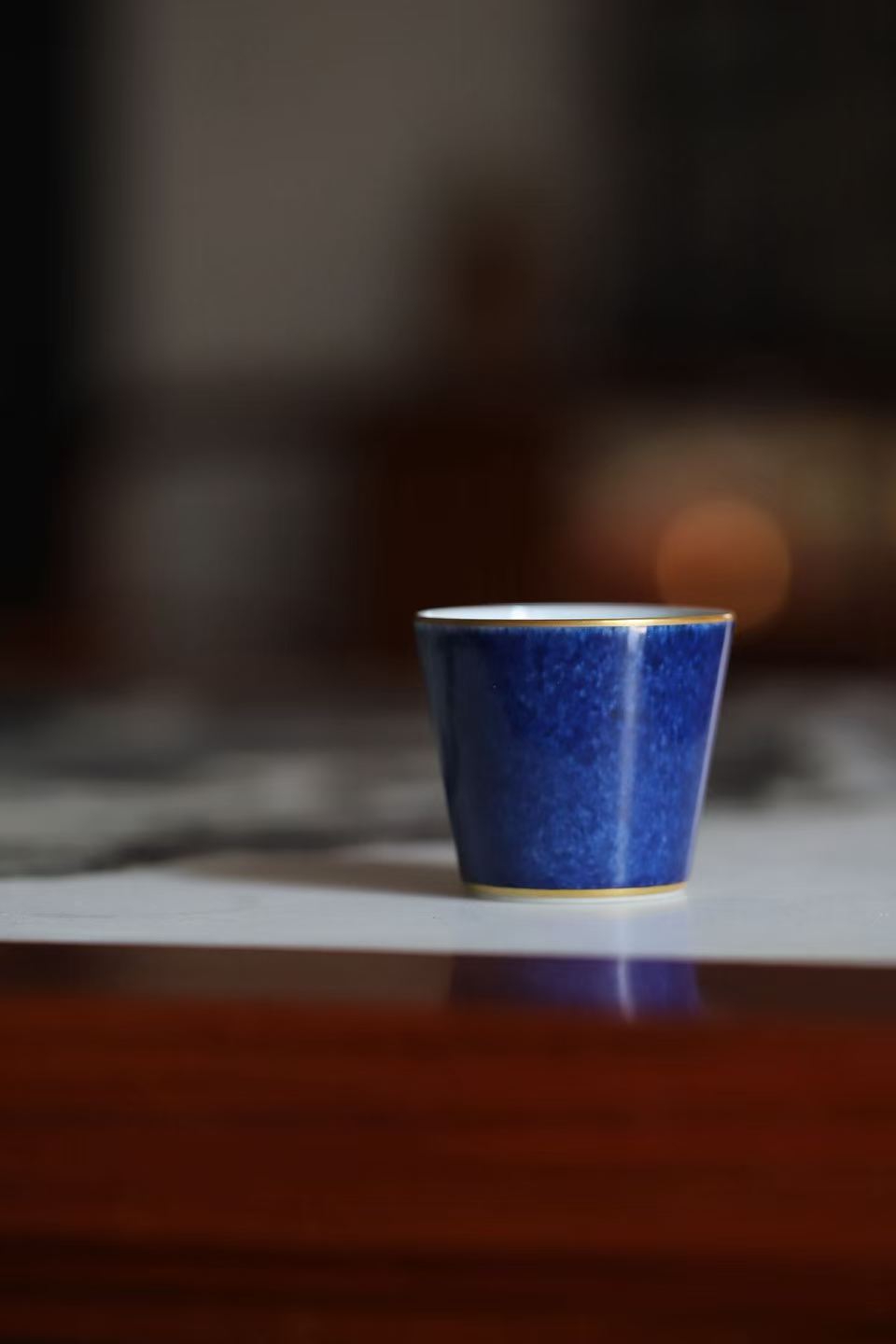
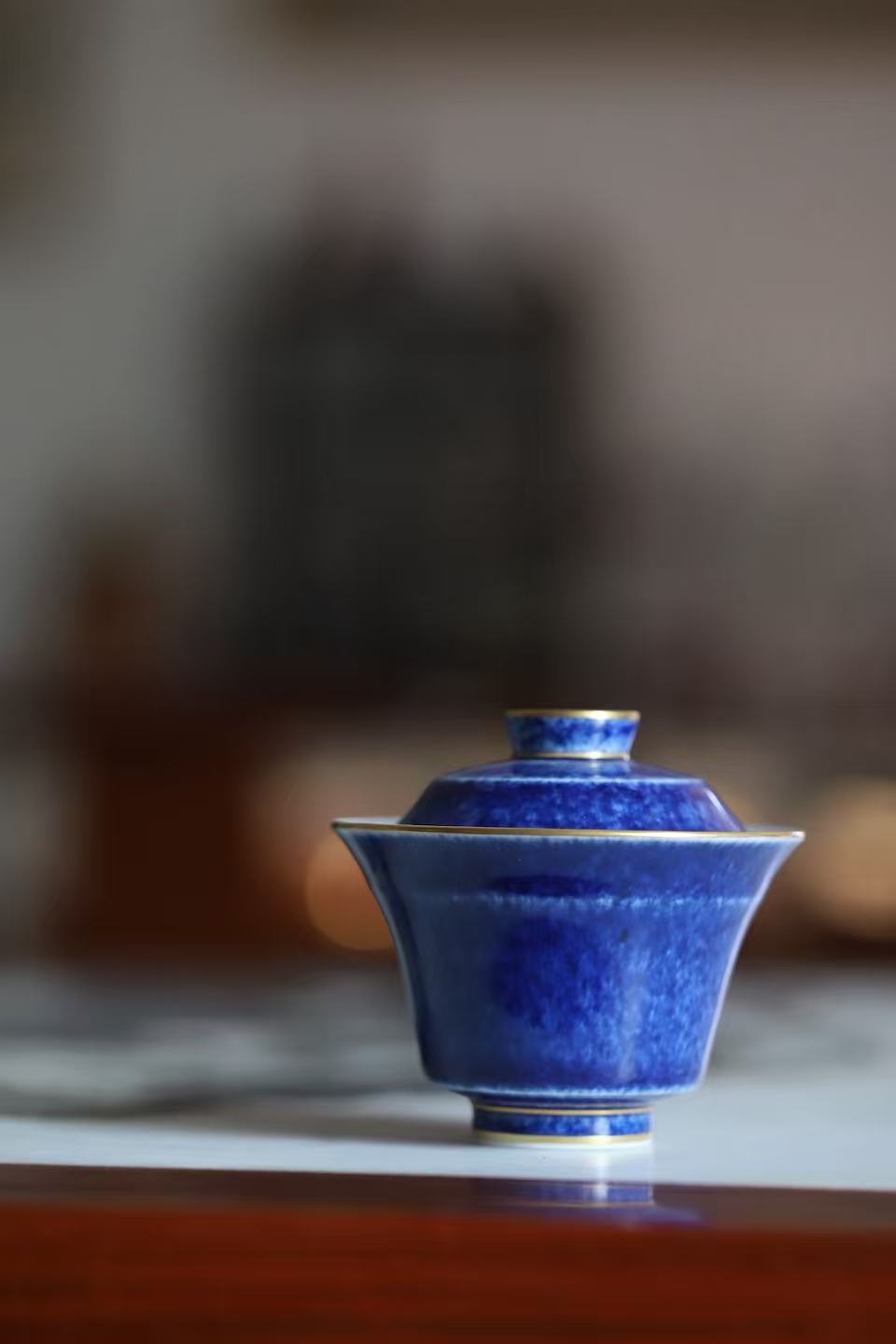
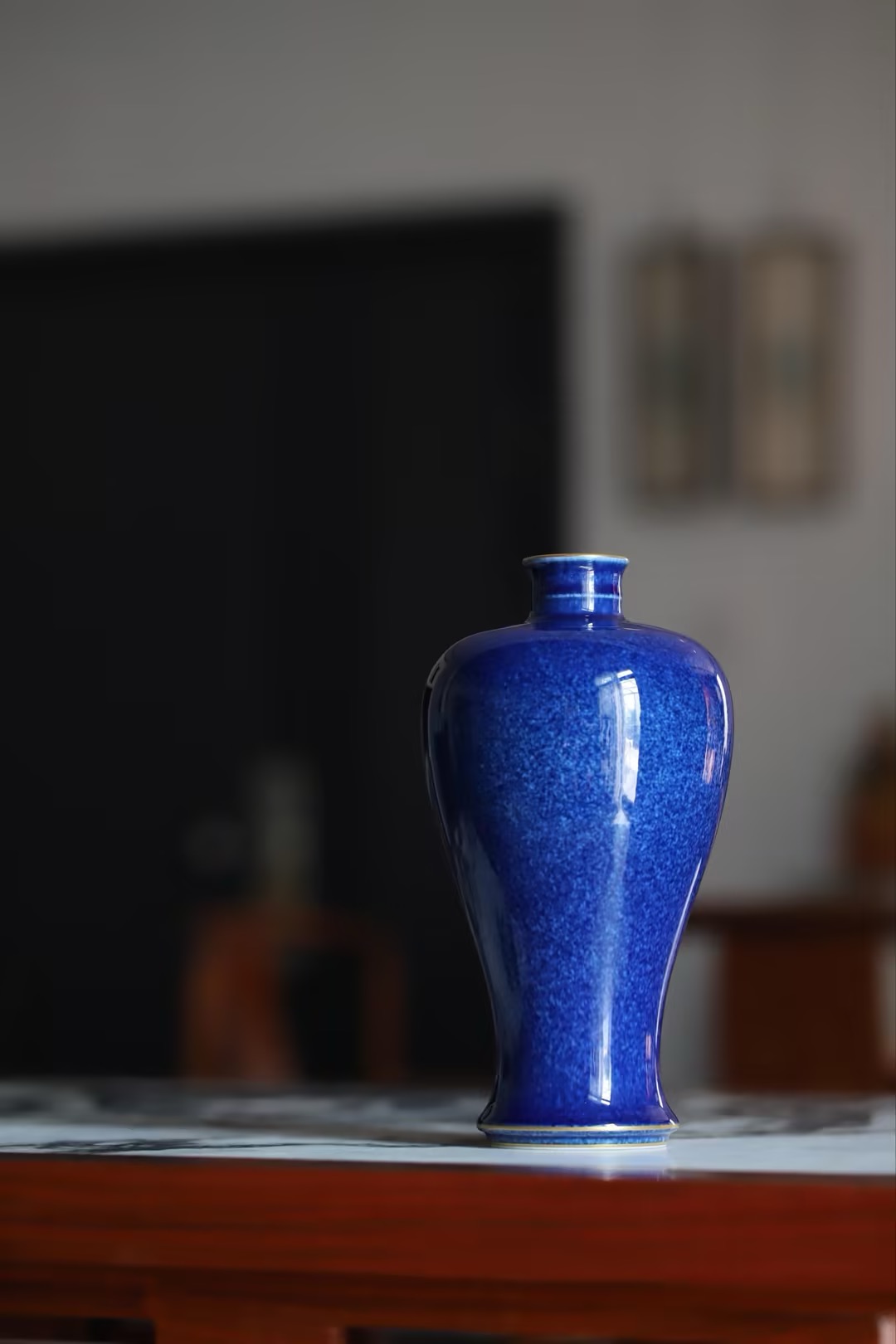
The cobalt tone is immediately recognizable: a controlled sapphire depth with deliberate ‘heaping and piling’ effects where pigment pools at brush intersections, creating a visual texture that conveys both technical mastery and aesthetic intention.
Material Development
Sumali cobalt — deep heaping-and-piling effect, characteristic of Xuande surface texture
Reign mark system — first systematic use of base inscription as imperial authentication
Refined glaze surface — smooth, even, subtly blue-tinted transparent overglaze
Precise foot finishing — controlled wheel cutting establishing proportional standard
Representative Forms
Period Position
Xuande stands at the centre of Ming imperial production. What Yongle initiated in ambition and material, Xuande codified in discipline and form. Later reigns — Chenghua, Jiajing, Wanli — all define themselves in relation to Xuande’s standard, either refining it, departing from it, or attempting to recover it.
Contemporary objects connected to this tradition
Continue exploring