Menu
The Tradition · Qing Dynasty · Kangxi
1662 – 1722
Cobalt revived. Famille verte born. The longest reign, the widest technical range.
Historical Context
The Kangxi Emperor — who ruled for sixty years, longer than any Chinese emperor in recorded history — presided over one of the most technically expansive periods in the history of Chinese porcelain. The early decades of his reign were marked by political consolidation after the turbulence of Ming collapse and the Transitional period. By the 1680s, the imperial kilns at Jingdezhen were fully operational under the supervision of the renowned kiln director Zang Yingxuan.
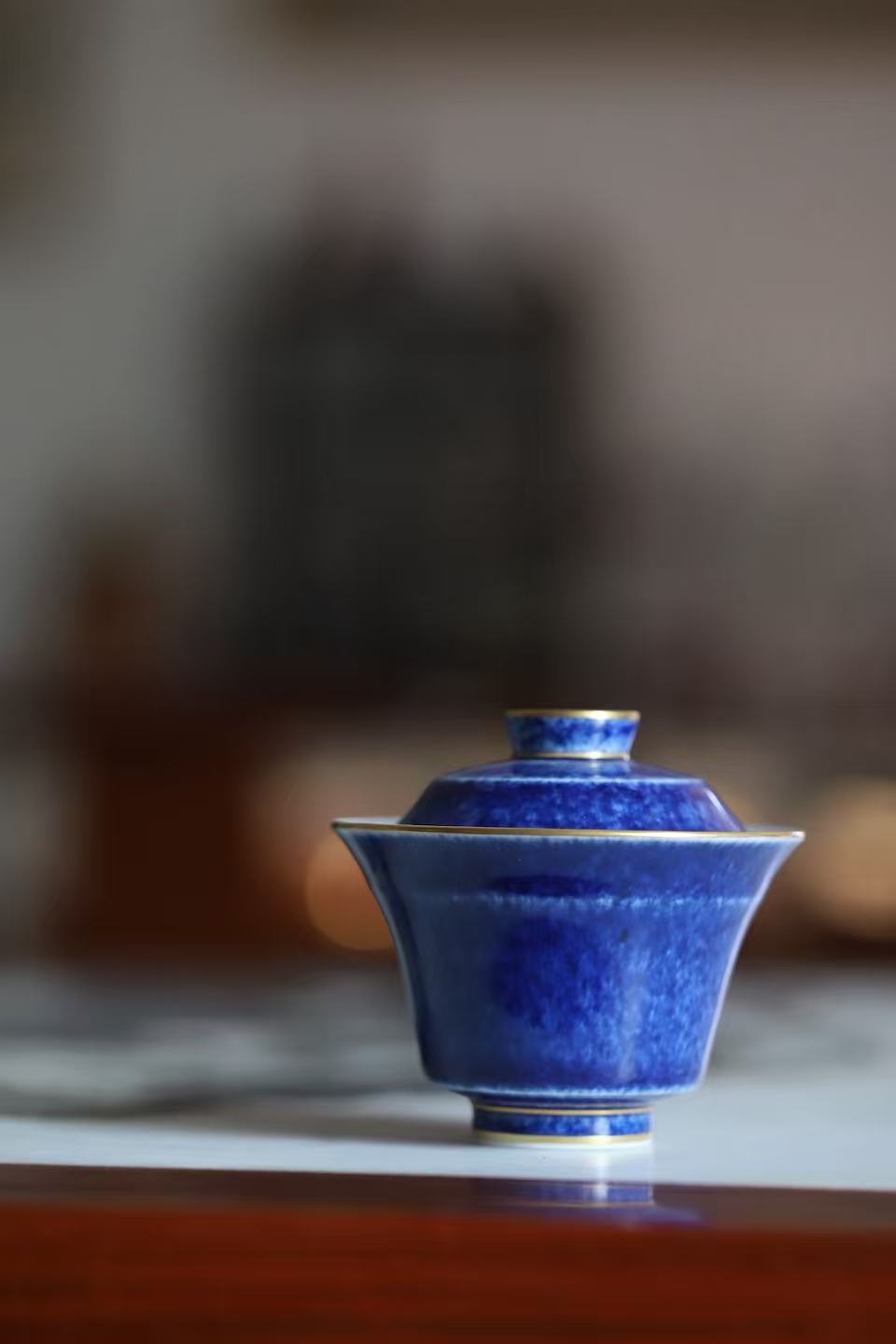
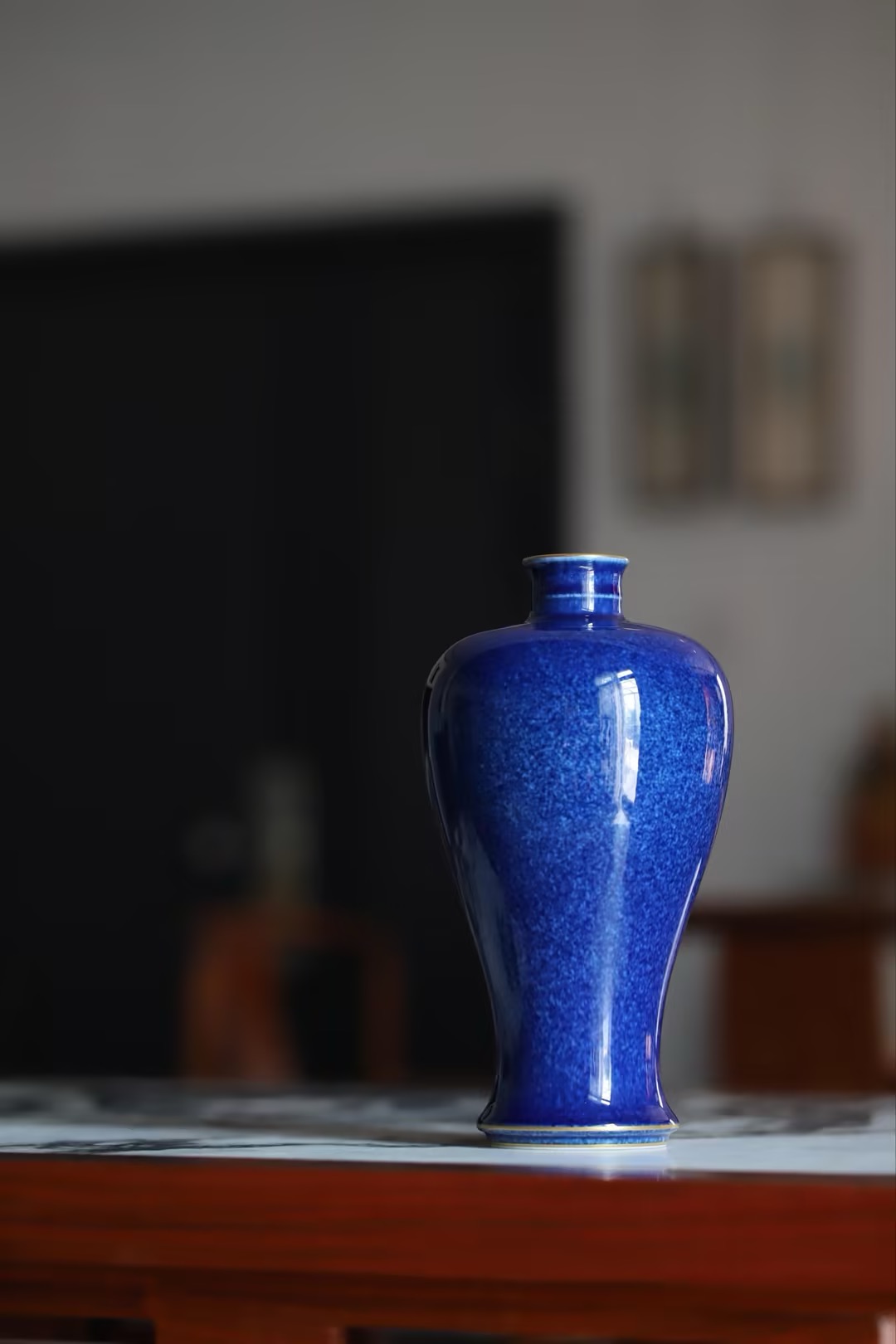
Blue-and-white production was transformed. The sapphire-blue cobalt tone that had defined Xuande was recovered and technically surpassed — Kangxi blue-and-white is immediately identifiable by its brilliant, slightly violet-inflected tone and exceptional tonal range within a single vessel. The period also saw the full development of famille verte — a palette of vivid overglaze enamels in green, red, yellow and black that defined Qing decorative ambition.
Kangxi wares were produced in extraordinary volume, serving court, domestic, and export markets simultaneously. The period is technically the most diverse in Chinese ceramic history, ranging from austere blue-and-white of consummate refinement to densely ornamented famille verte pieces of high complexity.
Material Development
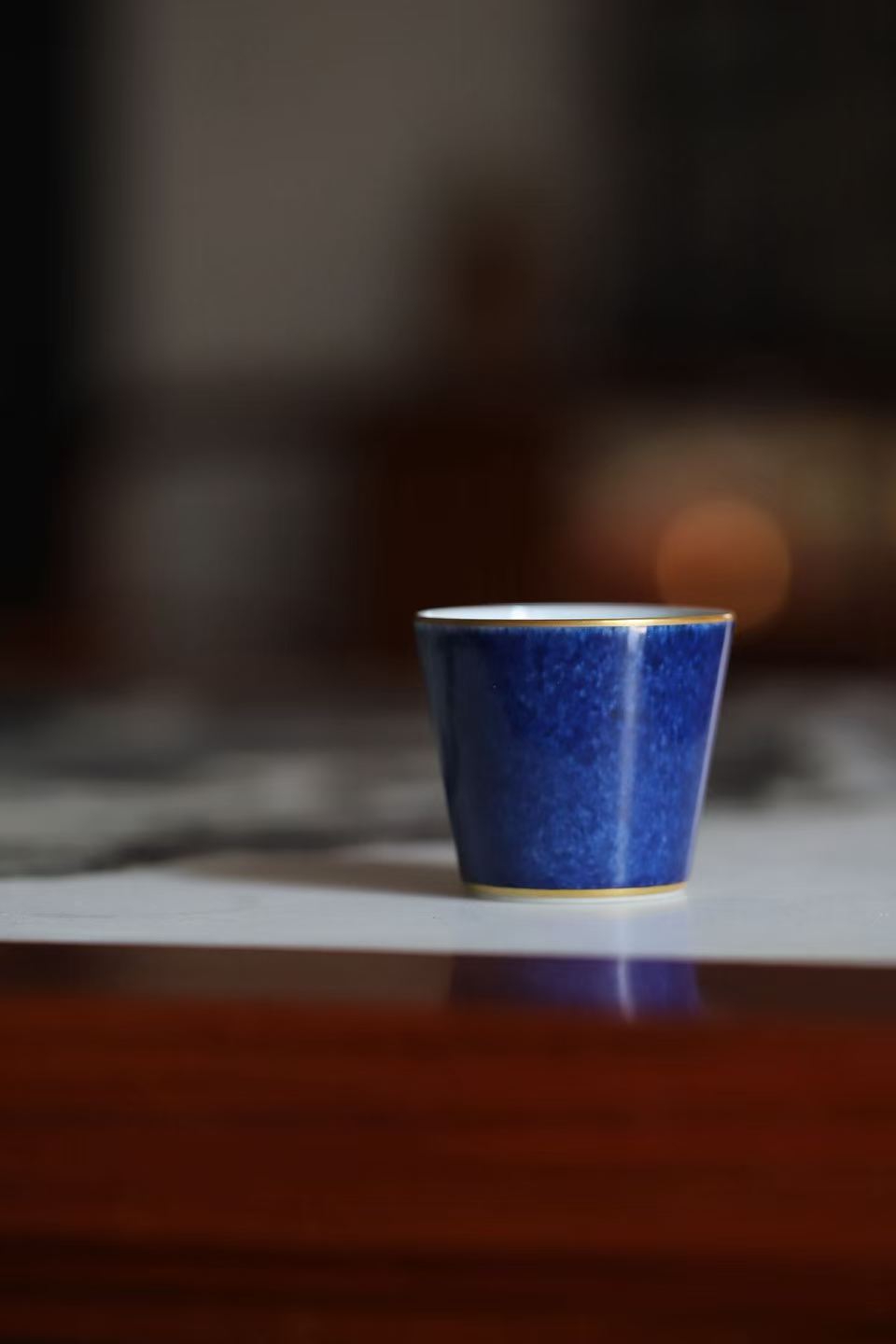
Domestic cobalt — brilliant sapphire-violet tone, exceptional tonal range within single vessel
Famille verte — vivid overglaze palette of green, red, yellow and iron-black enamels
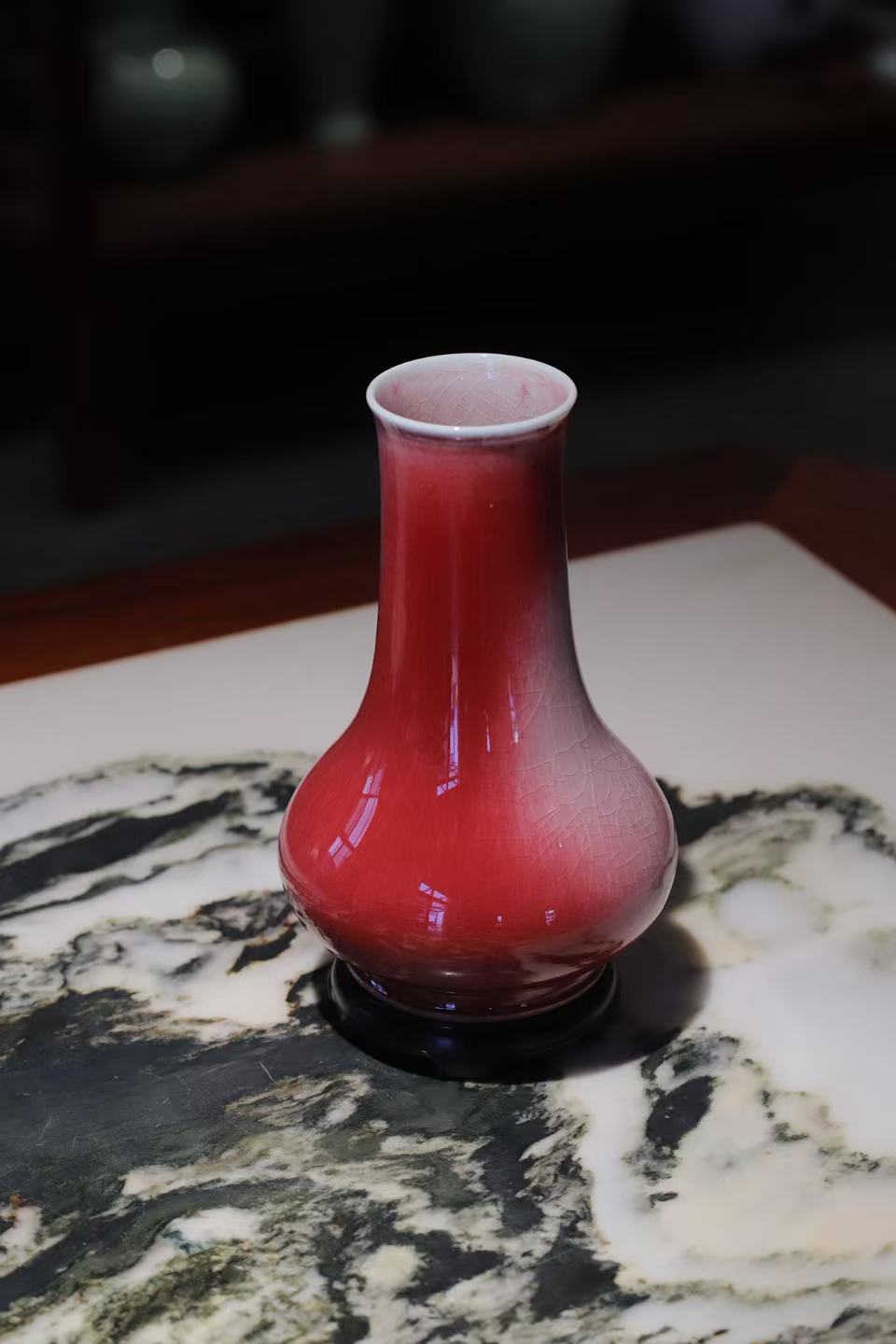
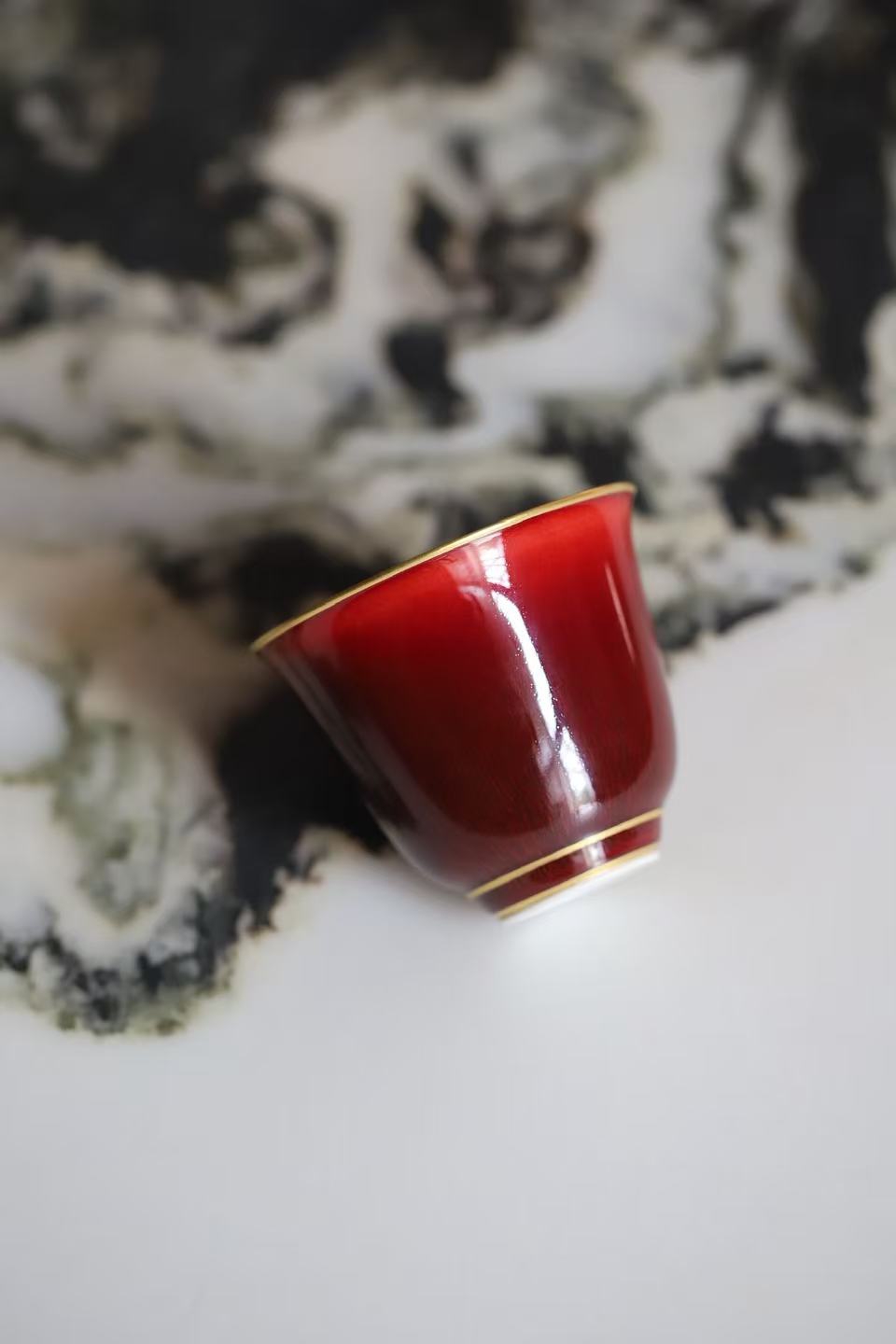
Sang de boeuf — oxblood copper-red monochrome, technically demanding, highly prized
Refined body and glaze system — exceptional translucency, controlled surface finish
Representative Forms
Period Position
Kangxi is the foundational Qing period — the reign that re-established imperial porcelain production after the disruption of dynastic transition. What it set in motion technically and aesthetically was refined by Yongzheng and then elaborated to its limits by Qianlong. Understanding Kangxi is essential to understanding the Qing ceramic tradition as a whole.
Historical Context
The Kangxi period represents the first great summit of Qing imperial production. After the disruptions of the dynastic transition and the consolidation of Qing authority over Jingdezhen, the kilns reopened under imperial direction around 1683 and immediately produced work of exceptional quality. The blue associated with Kangxi — a vivid, layered sapphire — is among the most distinctive and admired in the entire tradition.
Under Tang Ying and the superintendence of the imperial kilns, production combined rigorous quality control with a wide range of vessel types and decorative programmes. Kangxi blue-and-white draws on both Ming precedent and new Qing aesthetic ambitions — precise, luminous, and technically uncompromising.
Contemporary objects connected to this tradition
Continue exploring