
Menu
Jingdezhen · Heritage
Jingdezhen’s heritage is not a single dynasty or a single object. It is a working system — raw materials, kilns, river routes, workshops and specialised hands — maintained in and around this city for roughly a thousand years.
The Production System
Earth
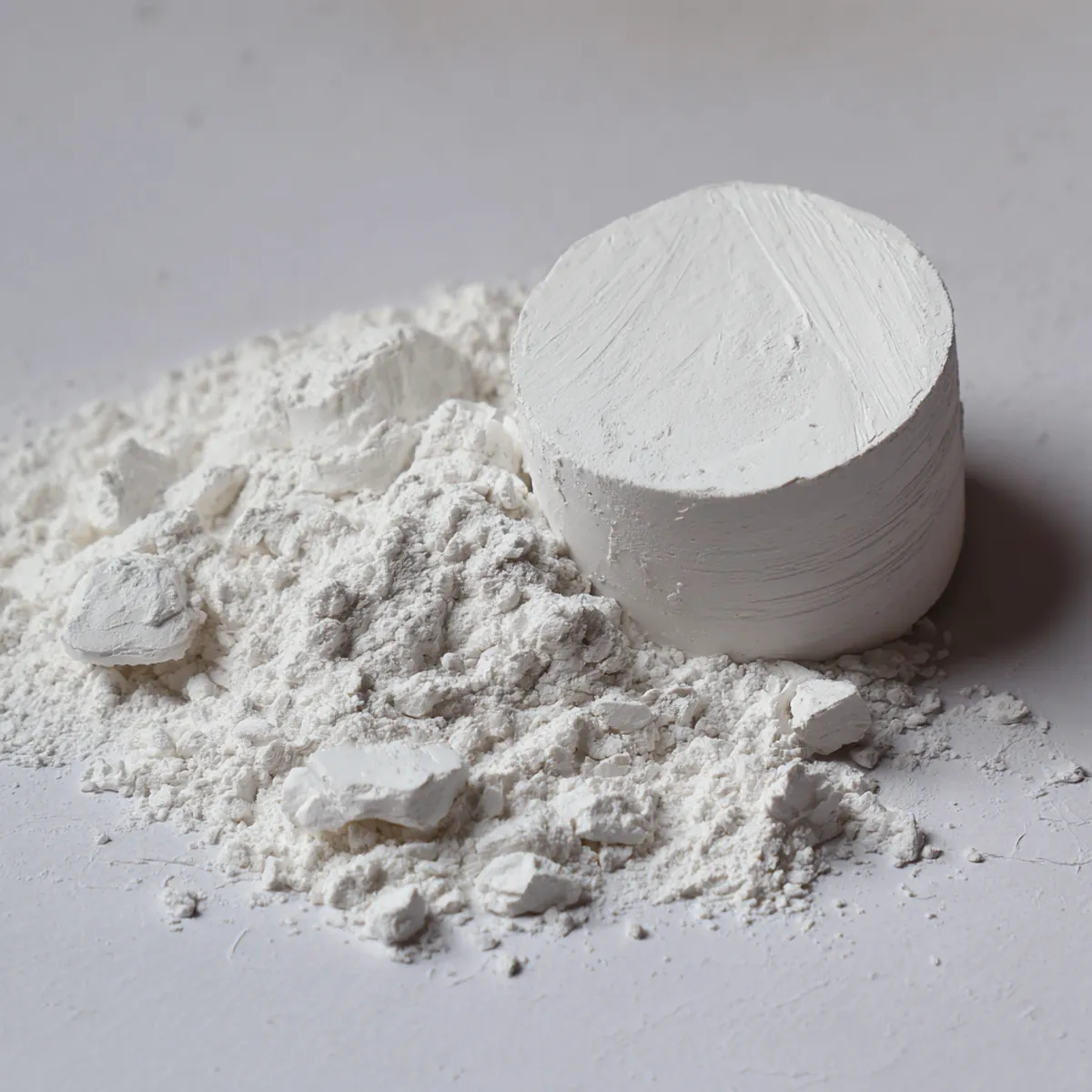
Jingdezhen’s porcelain begins in the surrounding hills. Porcelain stone was the long-standing basis of local bodies; from around the Yuan period, potters increasingly combined it with kaolin. This two-part body withstood higher firing temperatures and supported larger, more stable forms. Sources, recipes and proportions changed over the centuries — there was never one single material.
Fire
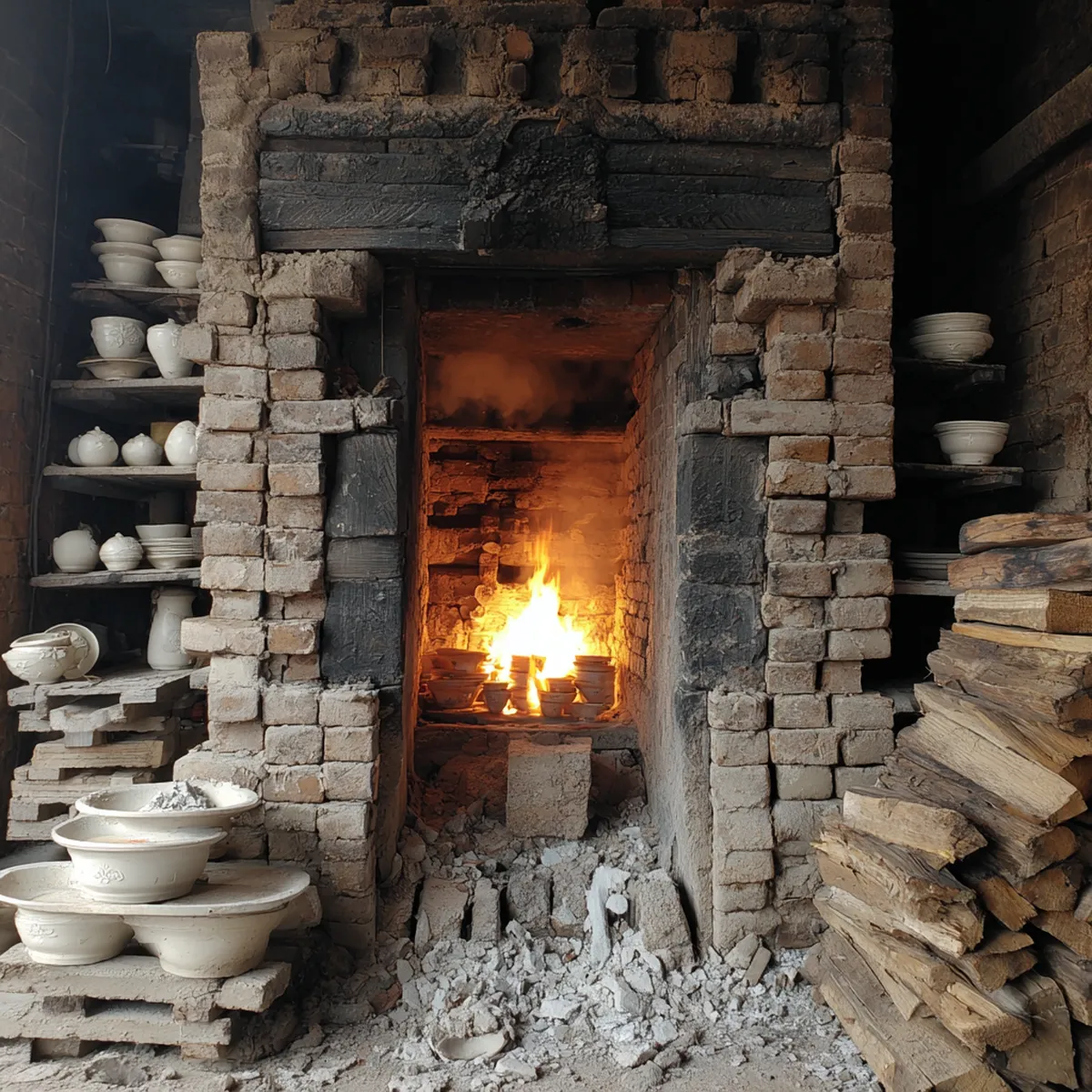
Kiln technology developed with the city: dragon kilns, gourd-shaped kilns and, in the Ming and Qing periods, the egg-shaped wood-fired kiln (zhenyao) that became characteristic of Jingdezhen. Controlling heat and atmosphere through a single firing was specialised knowledge held by kiln masters.
Explore Techniques →
Water
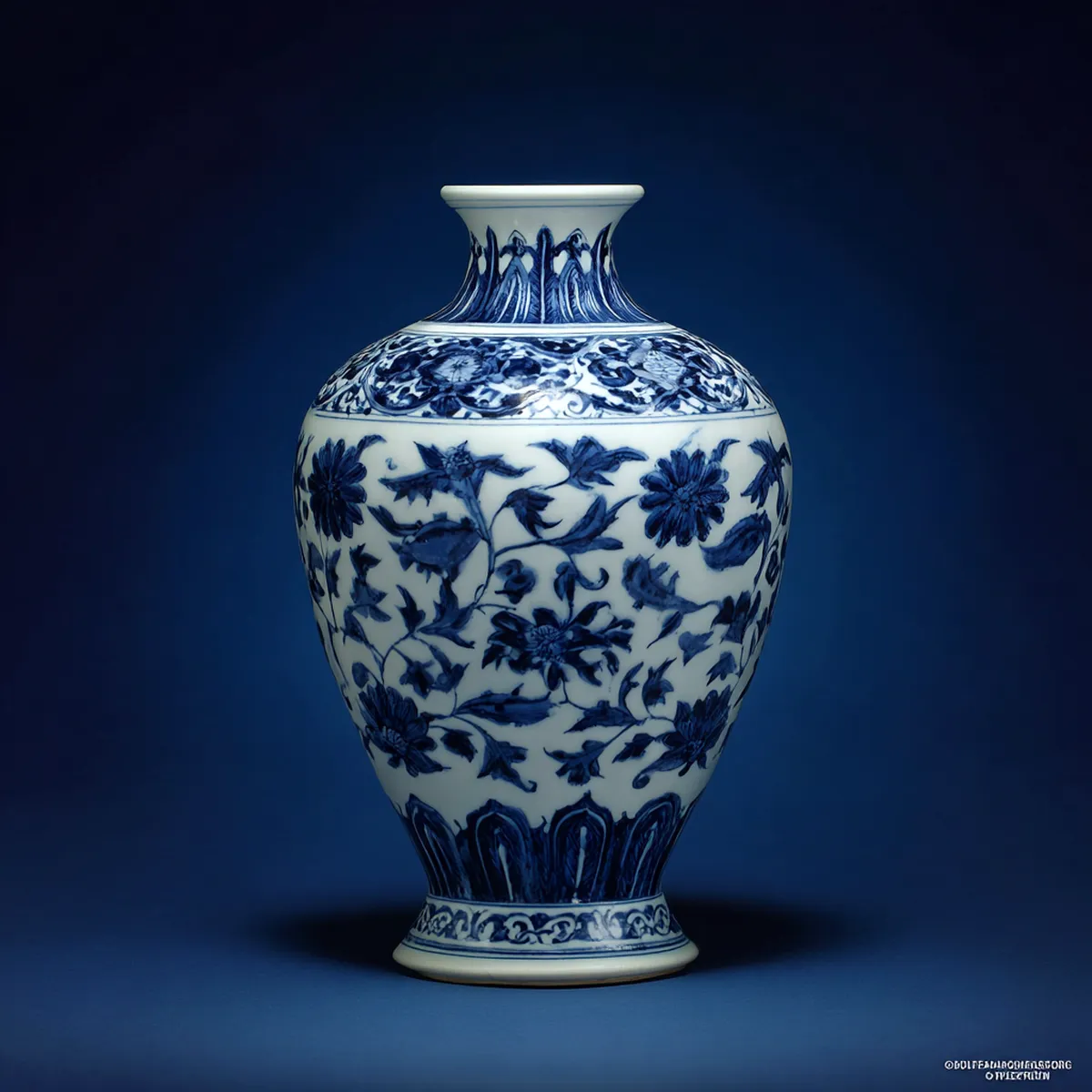
The Chang River connected Jingdezhen to Poyang Lake and, beyond it, to the Yangtze and the coast. Raw materials, fuel and finished wares moved by water. From the Yuan period onward, Jingdezhen porcelain reached markets across Asia and the Middle East, and later Europe — including blue-and-white painted with imported cobalt.
Explore the Periods →
Court
In the early Ming dynasty an imperial kiln factory was established at Zhushan, in the centre of the city, producing wares for the court under official supervision. Around it, civilian kilns produced for domestic and export markets. The two systems shared materials, labour and techniques, and together formed the city’s production network.
Explore Ming Dynasty →

Hands
Production was divided into specialised stages: preparing clay, throwing, trimming, painting, glazing, packing and firing. Early eighteenth-century accounts, including the letters of the Jesuit François Xavier d’Entrecolles (1712 and 1722), describe a single piece passing through many hands. Workshops, guilds and merchant associations organised this labour across the city.
How We Work →

Today
Excavations at the imperial kiln site and elsewhere have made the historical system visible again. In 2026 the Jingdezhen Handicraft Porcelain Industry Sites were inscribed on the UNESCO World Heritage List. Kilns, studios, schools and specialist workshops continue to work in the city today.
Explore Contemporary Jingdezhen →Continuity
Jingdezhen’s importance lies less in any single period than in continuity: the same kinds of work — preparing materials, forming, decorating, firing and trading — have been carried out here, in changing forms, for roughly a thousand years.
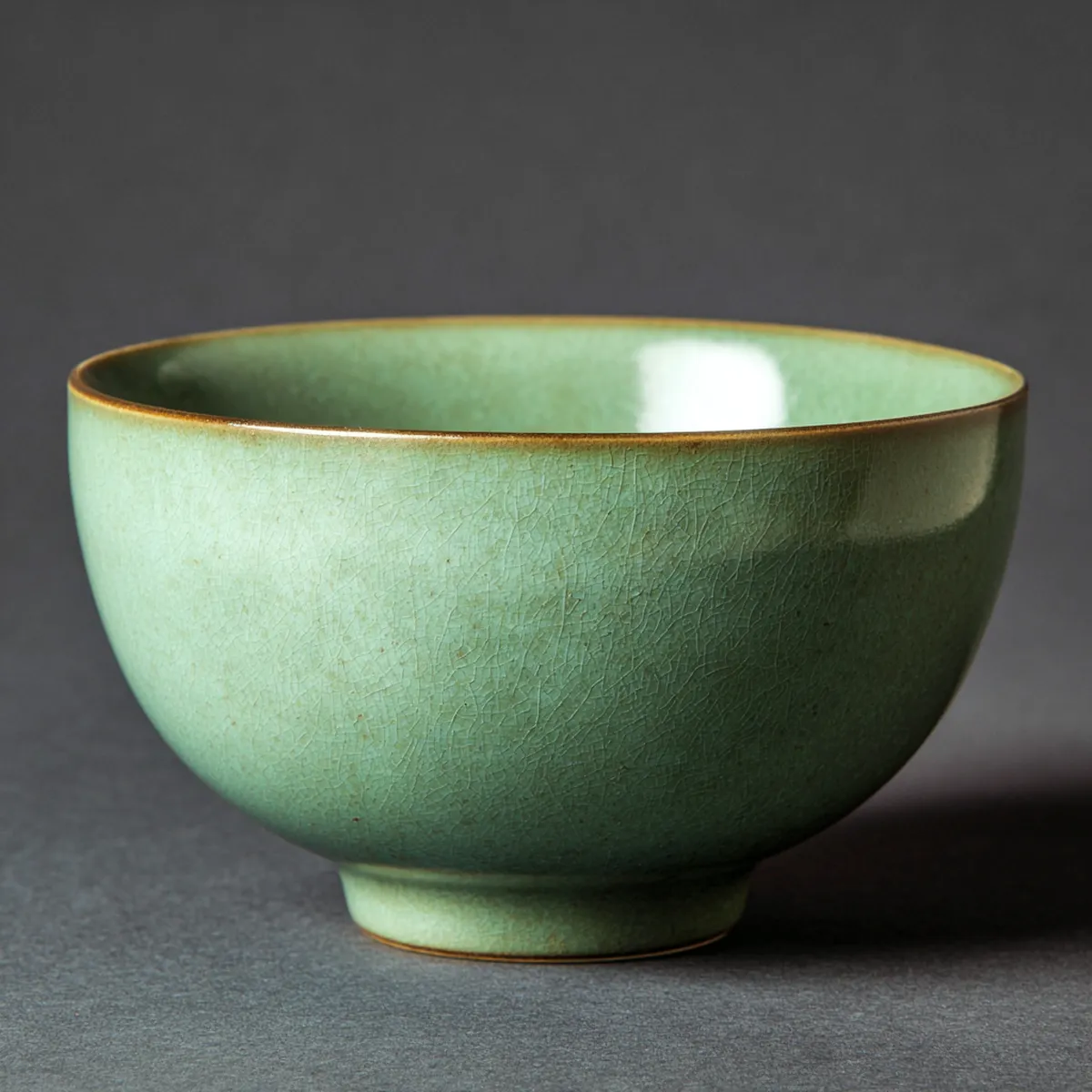
The town takes its name from the Jingde reign (1004–1007) of the Song emperor Zhenzong, when its kilns came to the attention of the court. Song-period qingbai wares, with their pale, blue-tinged glaze, are among the earliest widely recognised products of its kilns.
During the Yuan period, underglaze cobalt painting developed into blue-and-white porcelain. Much of the early cobalt was imported and is generally associated with sources in the Islamic world; later periods also used domestic cobalt ores.

Under the Ming, the imperial kiln factory brought court supervision, standardised forms and reign marks. Periods such as Yongle, Xuande and Chenghua are closely studied today for their materials, forms and painting — each for different qualities.
Qing workshops widened the range of enamels and techniques, including famille rose from the Yongzheng period, while civilian kilns continued to produce on a large scale for domestic and export markets.
Through war, dynastic change, foreign demand, industrial pressure and modern reinvention, one thing did not disappear: the knowledge embedded in hands.

Today Jingdezhen is not a museum of the past. Studios, factories, schools and specialist workshops still work with porcelain every day — even though many raw materials now come from further afield than the historic local sources.
Blue Fir exists within this continuity. We do not recreate history. We work inside it.