Menu
Deeper Knowledge · Materials
Earth, Fire, Chemistry
← Porcelain
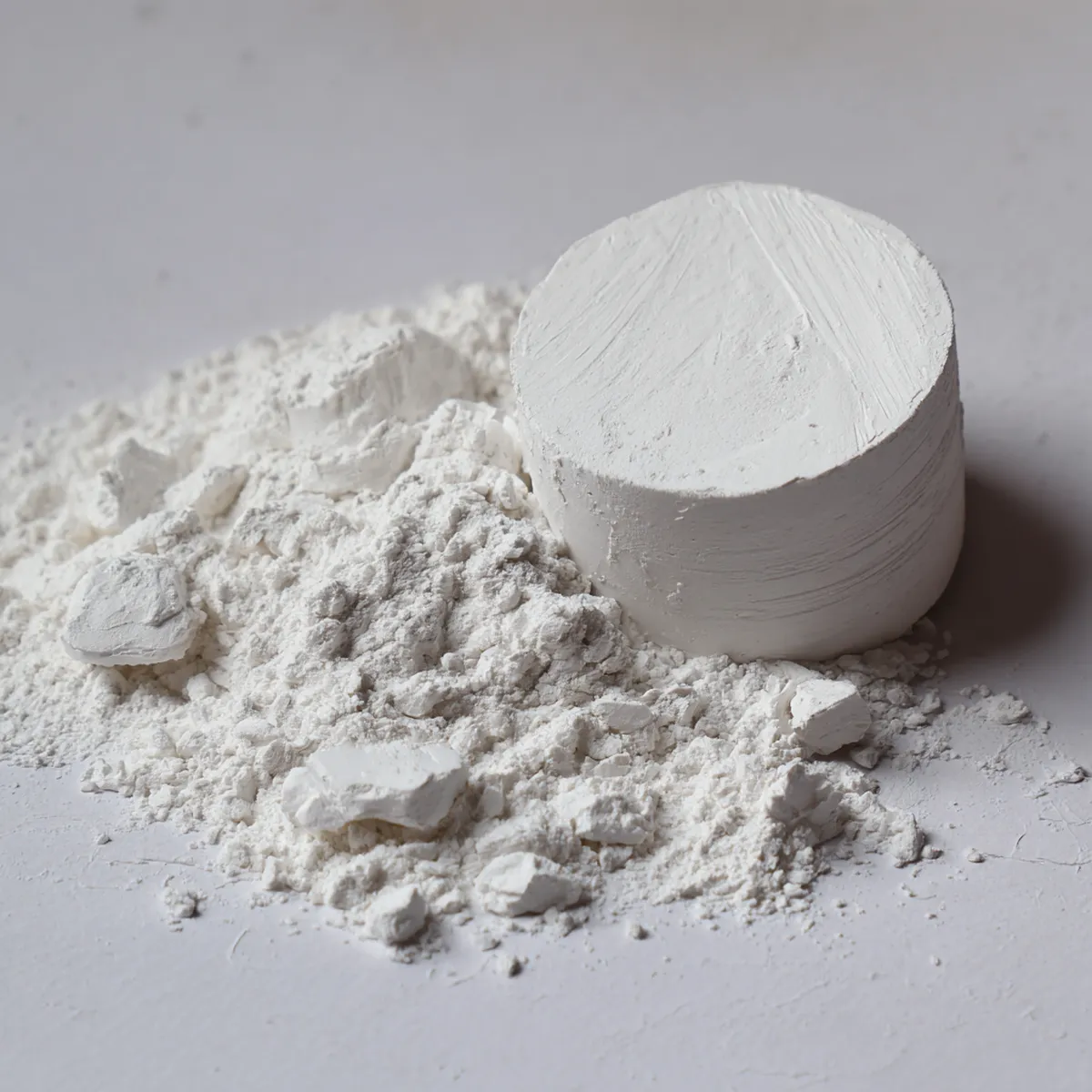
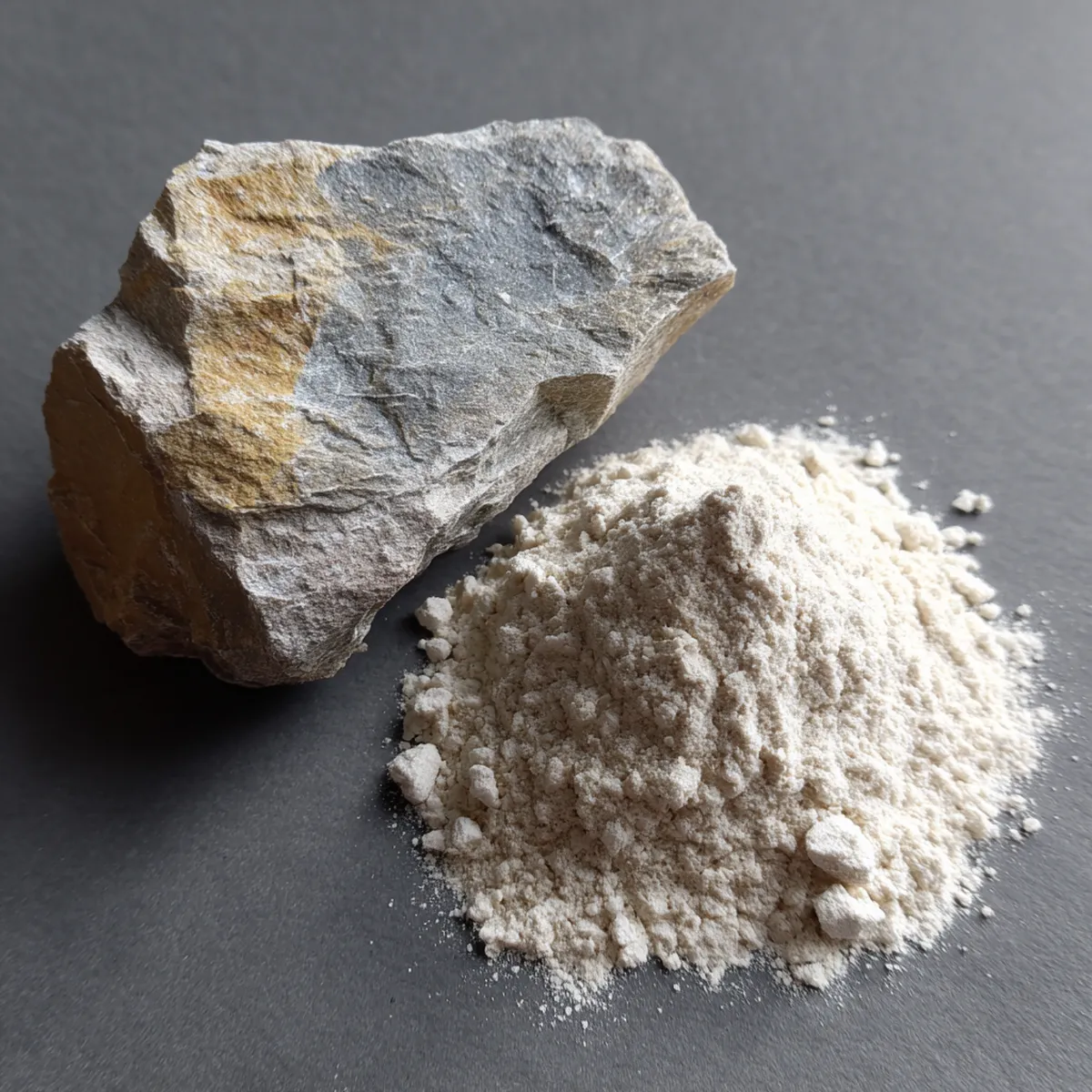
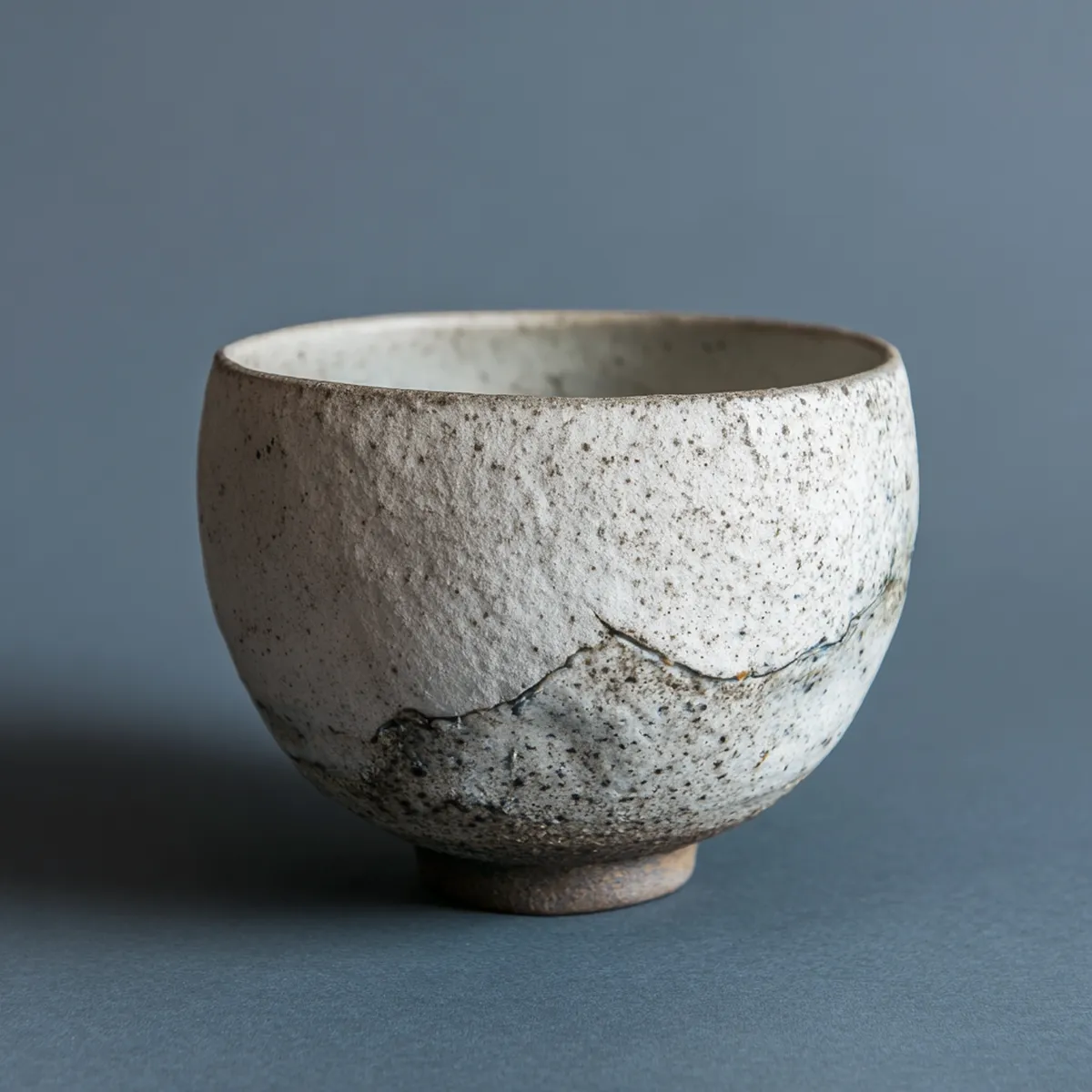
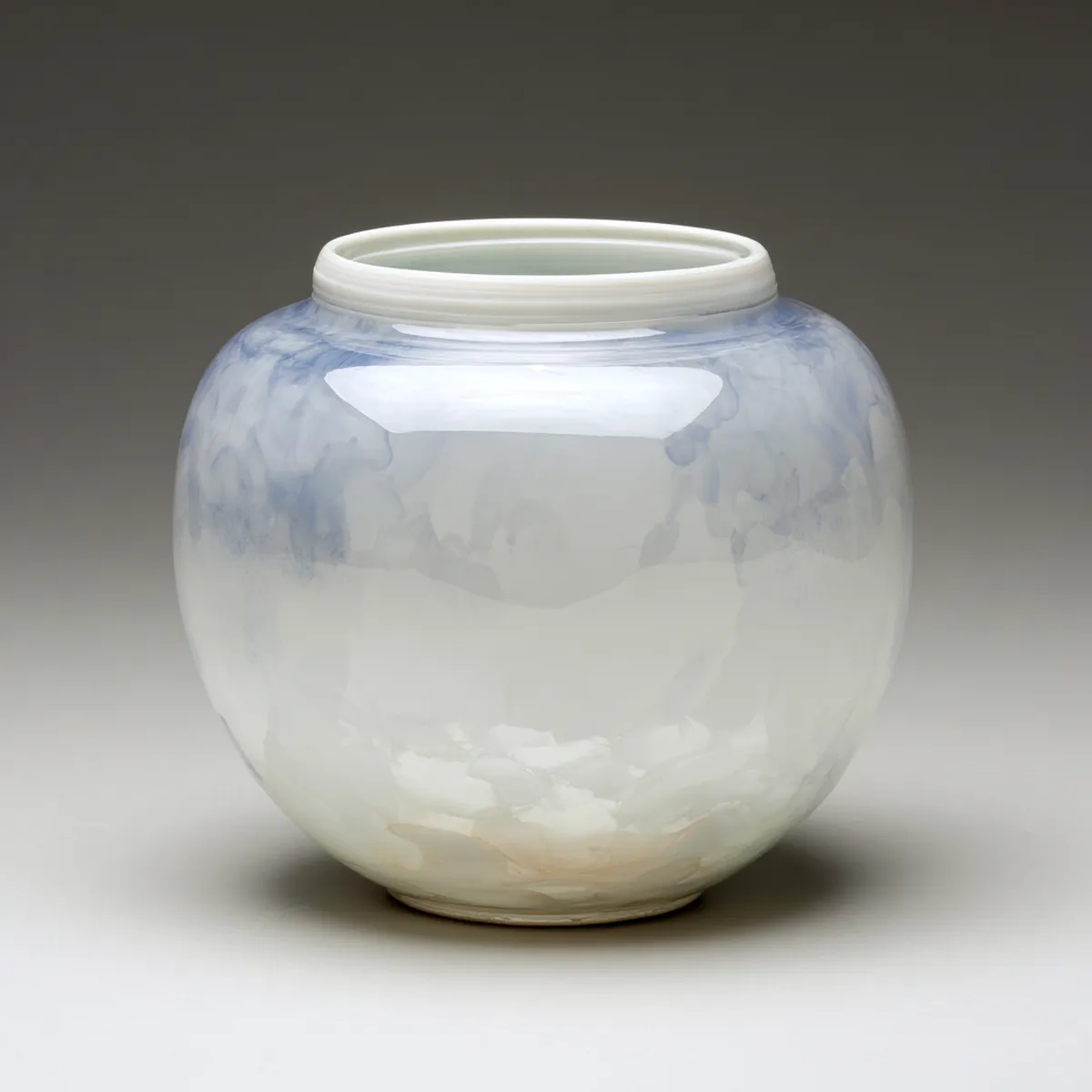
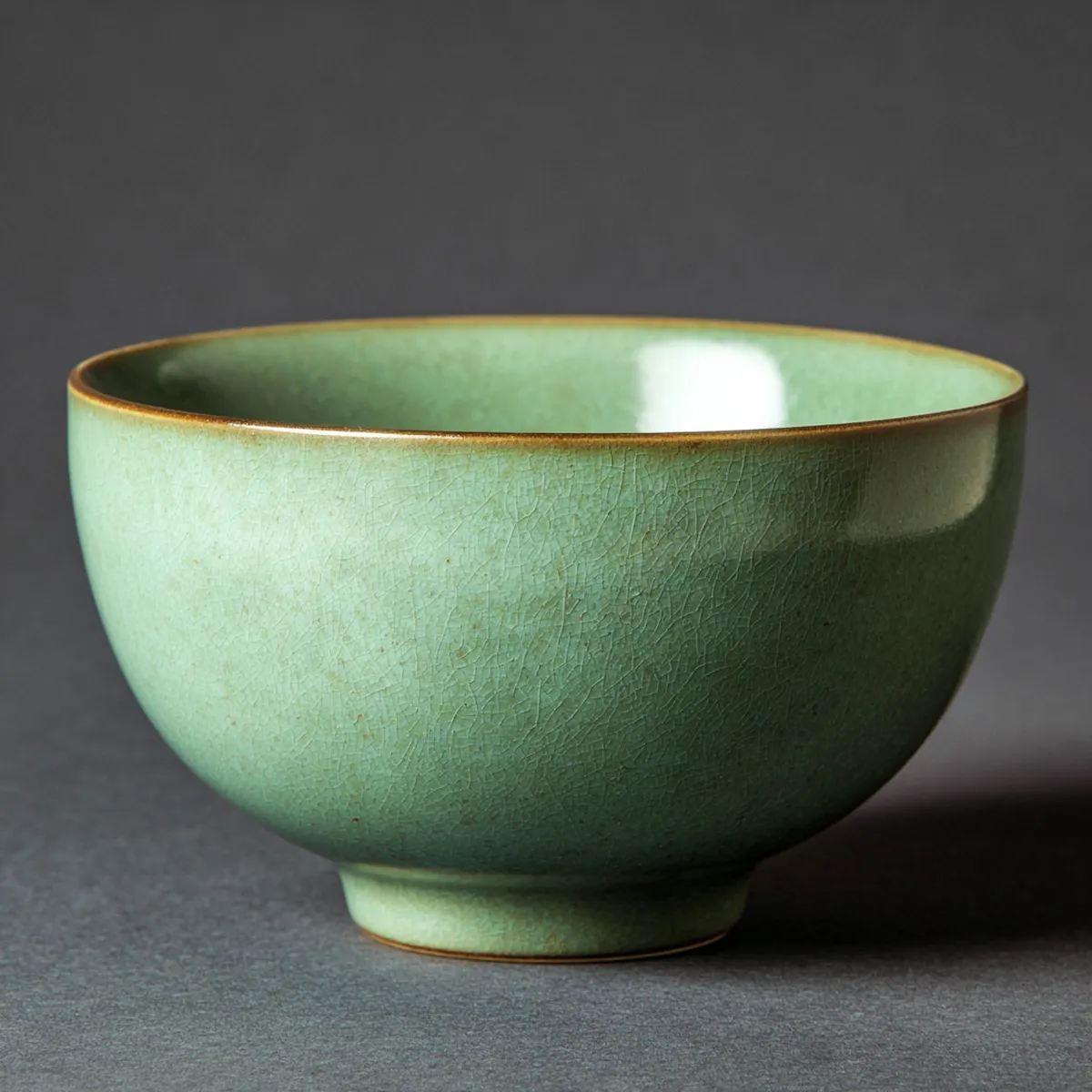
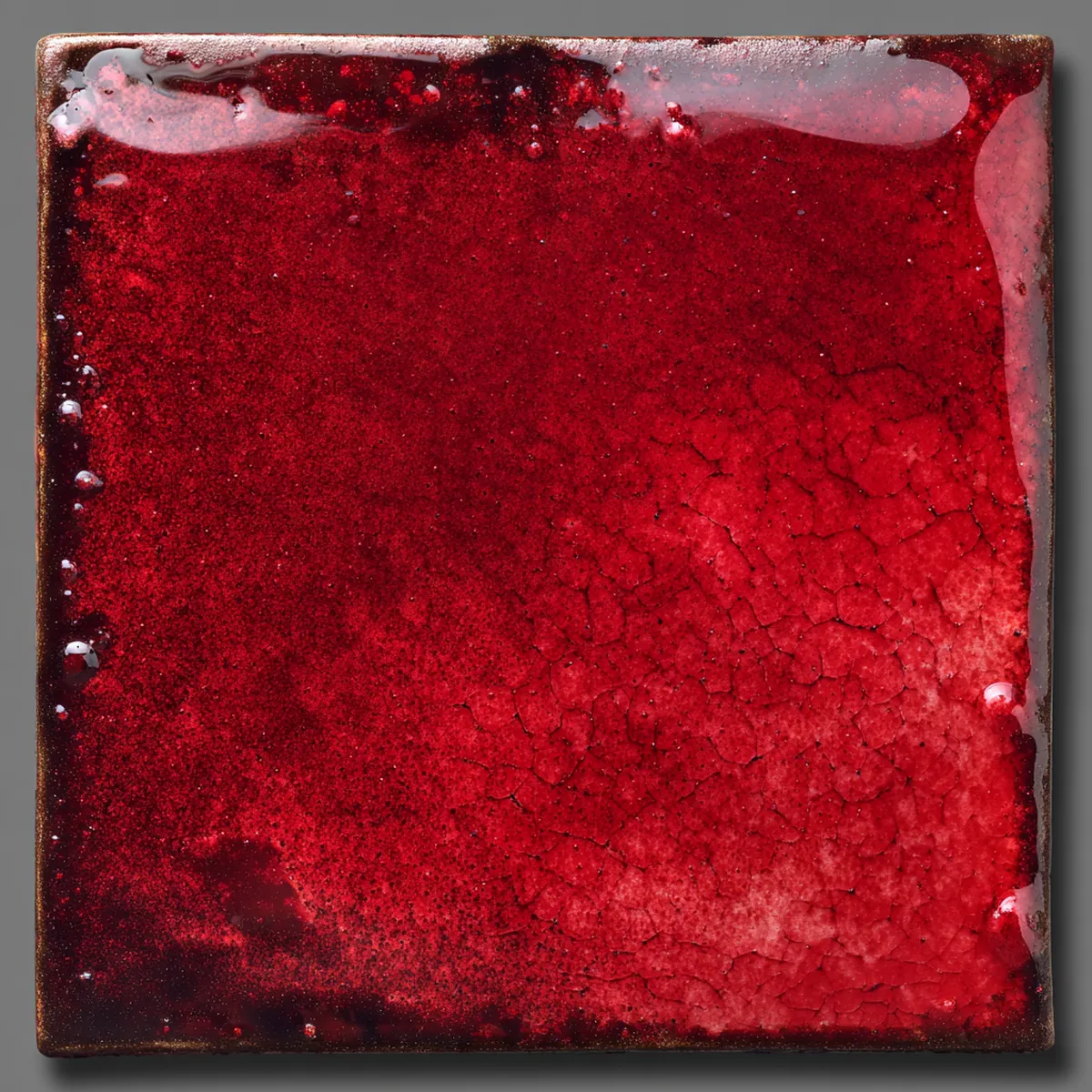
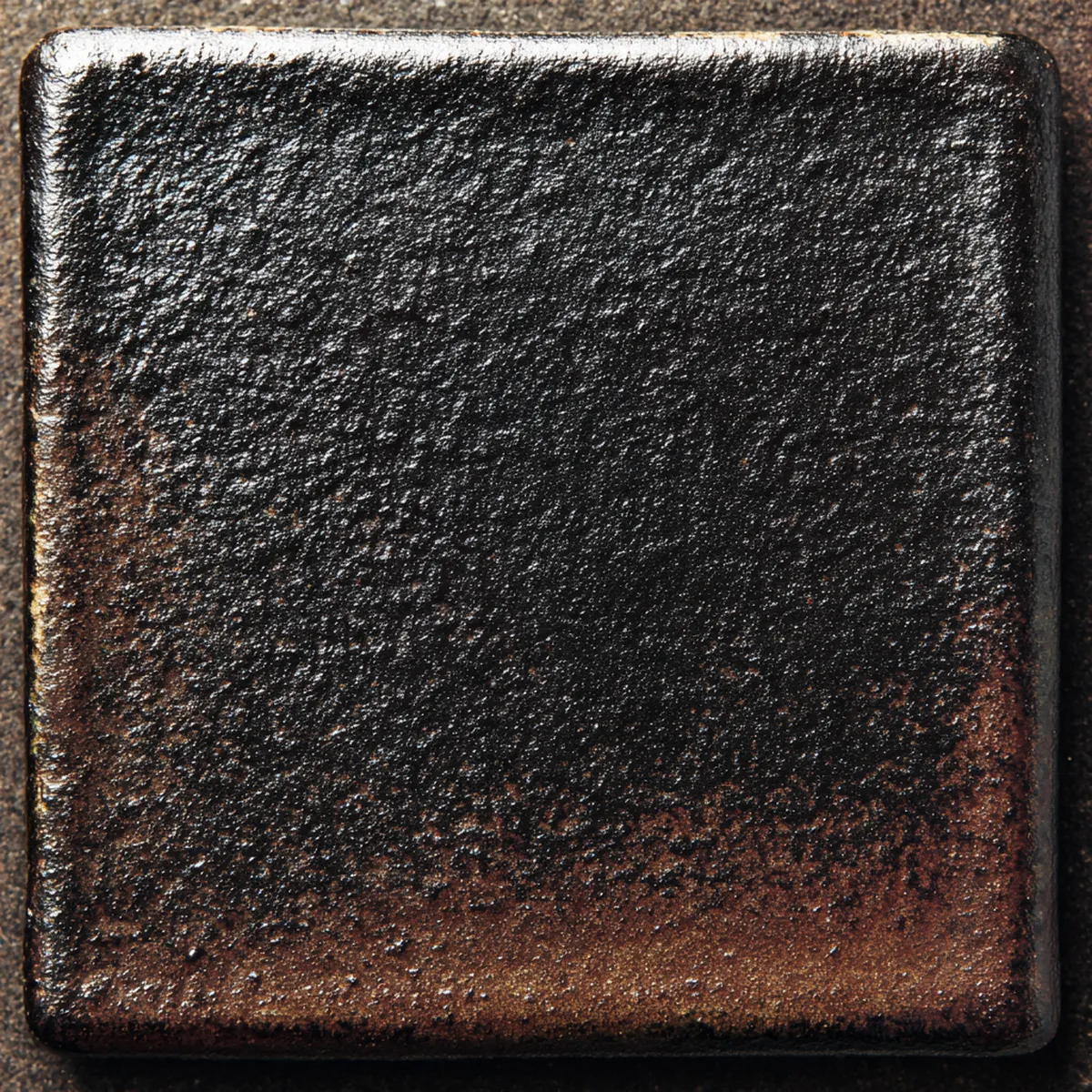
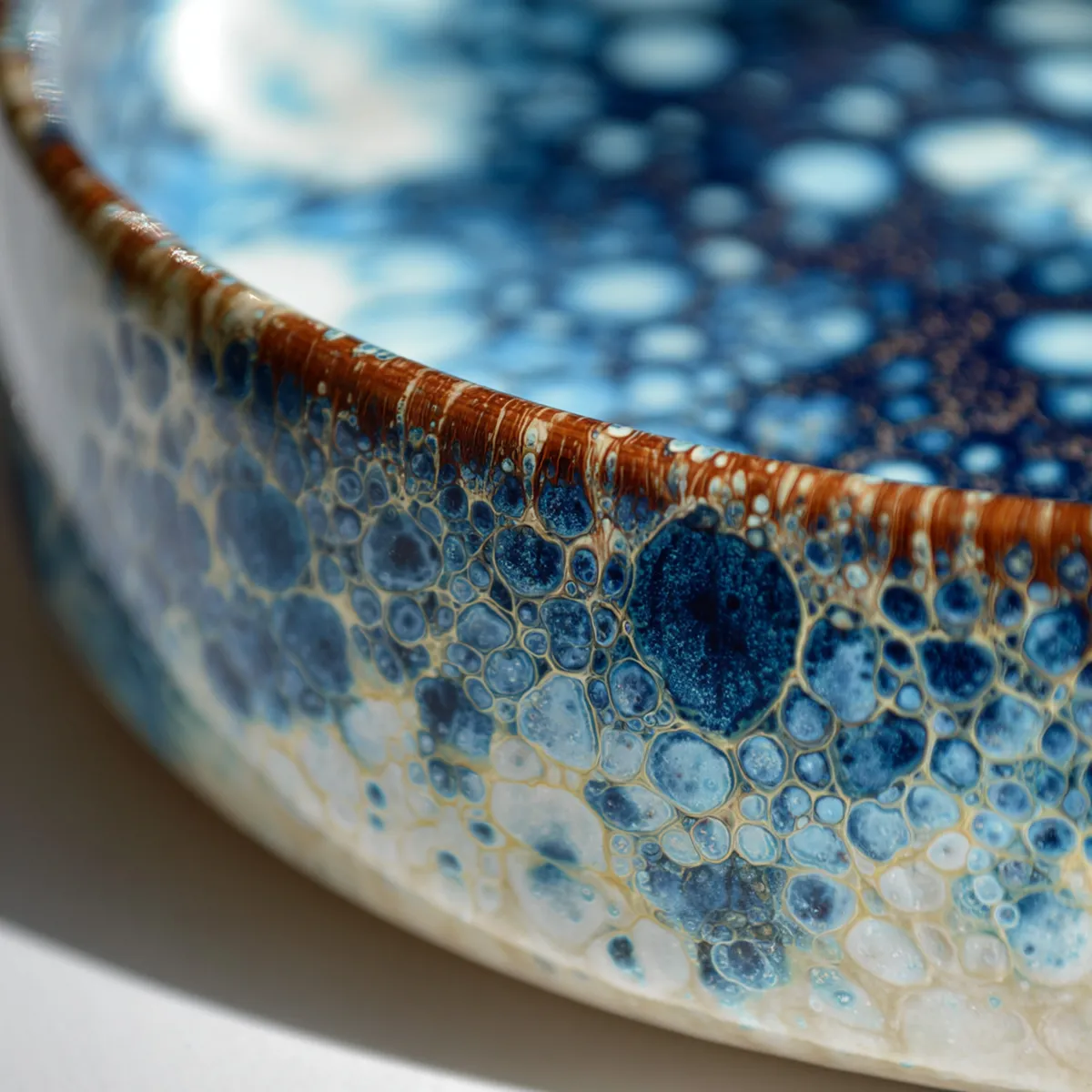
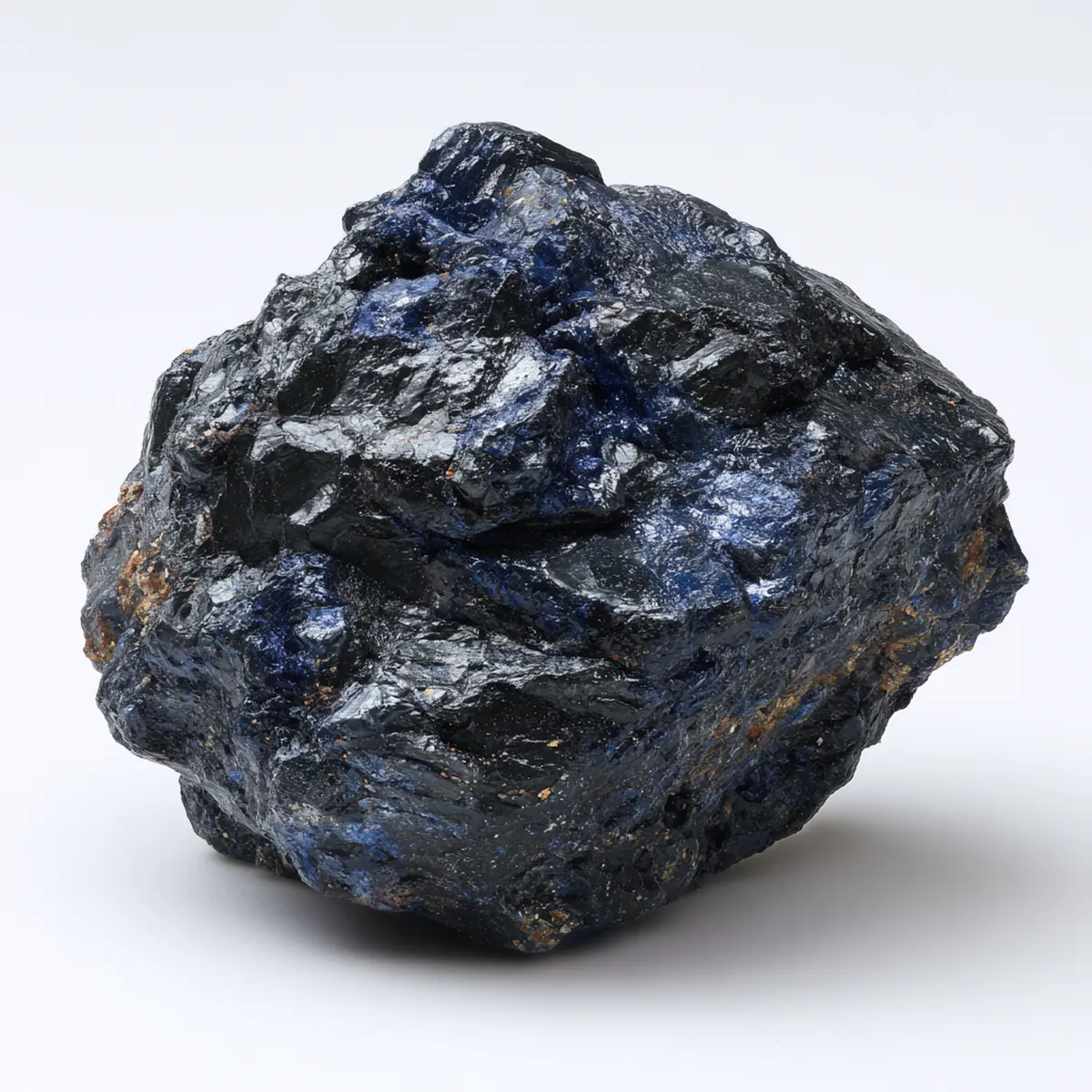
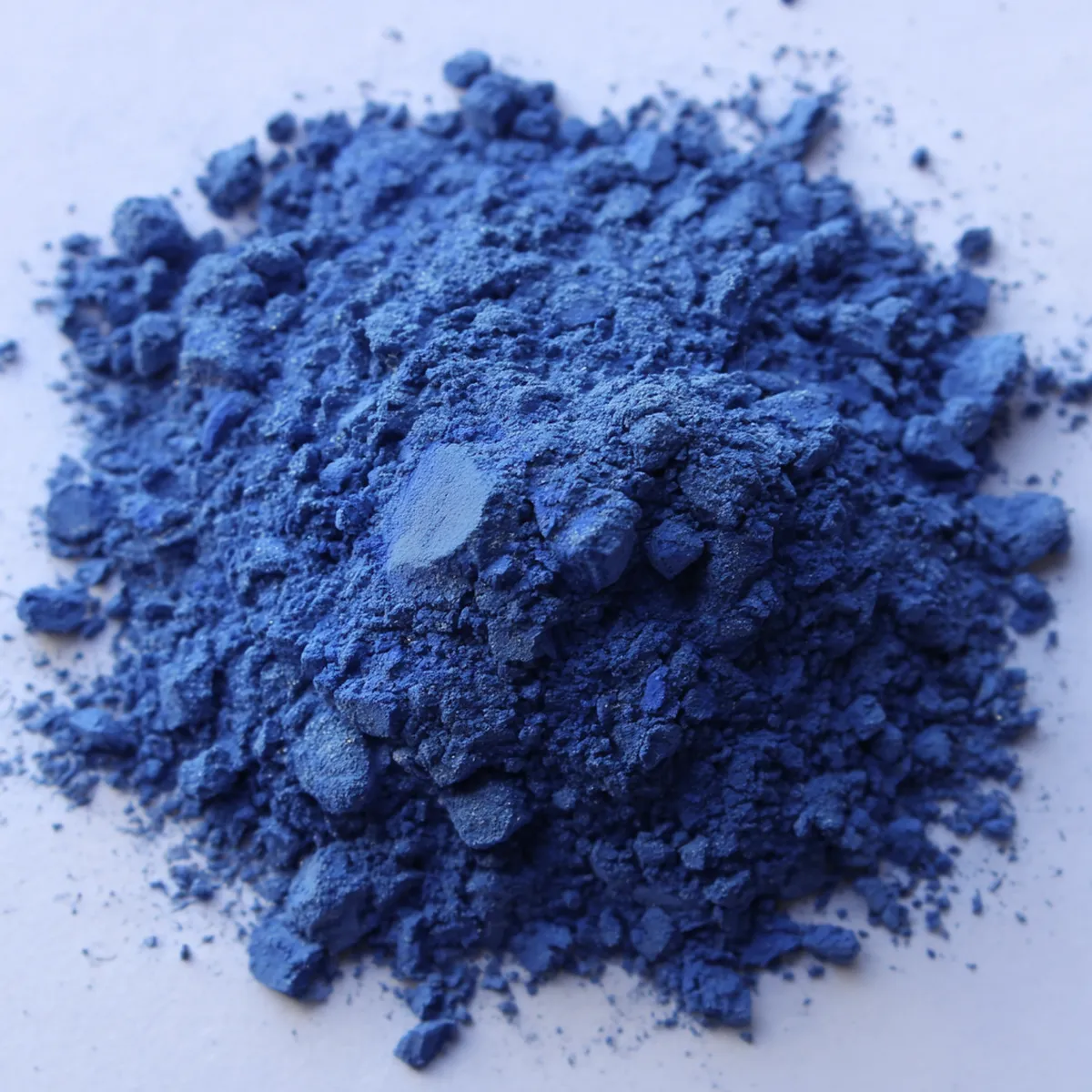
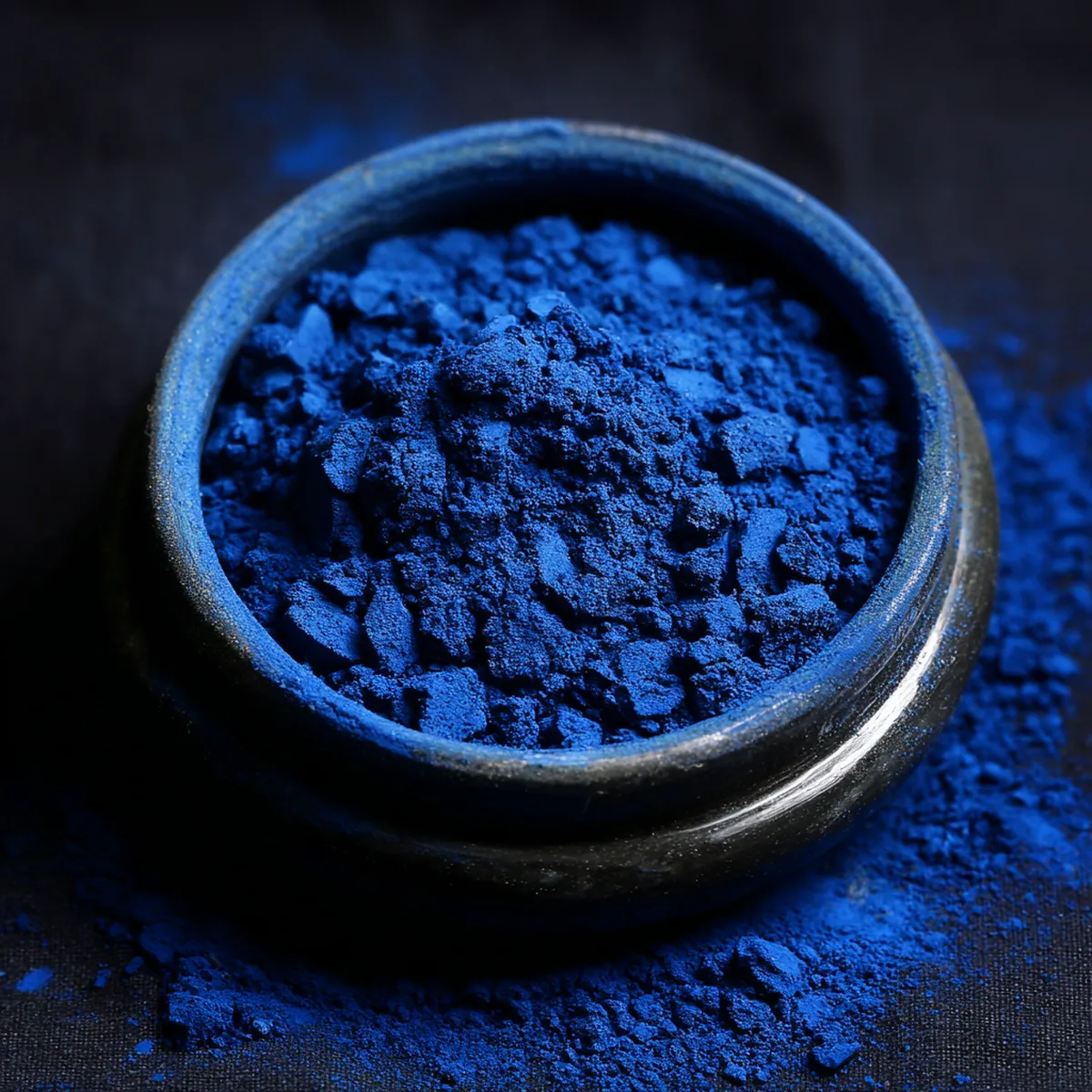
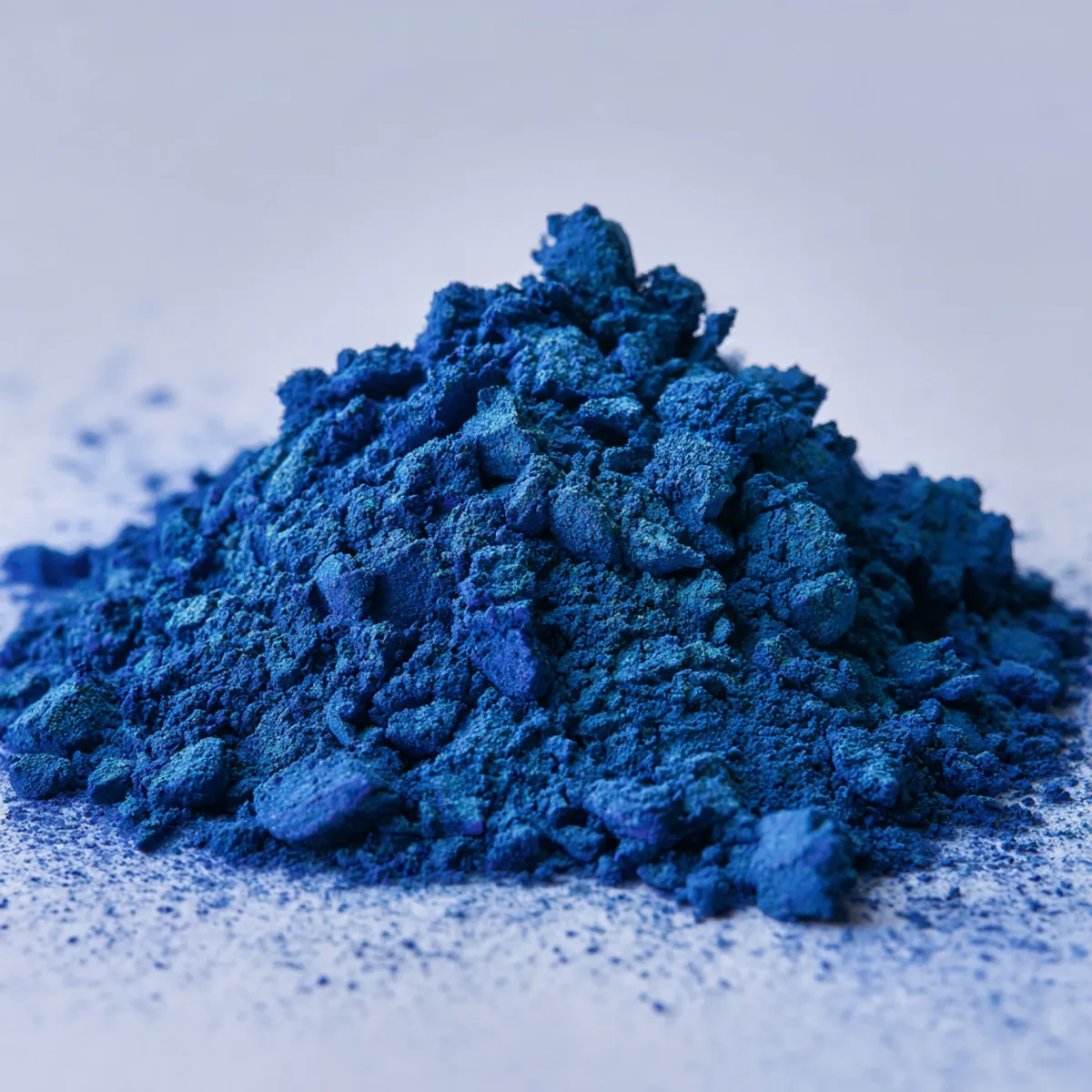
Jingdezhen porcelain begins with its materials — the specific clay bodies, glaze compositions, pigments, and firing atmospheres that define each tradition. Porcelain stone from Gaolin, cobalt from Zhejiang, copper-red from controlled reduction firing: these are not interchangeable. Every material decision constrains what is possible in form, surface, and colour.
The material is the first author. The potter is the second.
Porcelain stone refinement, glaze preparation, pigment composition, forming technique, drying conditions, and firing sequence determine structural outcome. Small variations produce visible differences.
Understanding porcelain requires attention to:
Clay body density and refinement
Glaze chemistry and application thickness
Underglaze and overglaze pigment behaviour
Firing atmosphere and temperature control
Post-firing inspection and correction
Material logic precedes decorative expression.
Throughout history, technical mastery shaped the emergence of decorative systems such as Qinghua, Doucai, Wucai, and Fencai. Process is not background — it is foundation.
Continue exploring
Decorative Systems
See how glaze and pigment become a decorative system →