← Home

Deeper Knowledge · Motifs

Motifs

Symbol, Narrative, Power

Dragon Motif
Dragon Motif
龙纹
Imperial symbol across Ming and Qing production. Five-clawed form reserved for court commissions.
Phoenix Motif
Phoenix Motif
凤纹
Celestial bird associated with the empress and renewal. Paired with dragon in court compositions.
Qilin Motif
Qilin Motif
麒麟纹
Auspicious mythical creature signifying benevolent rule. Appears across Ming and Qing imperial ware.
Lotus Motif
Lotus Motif
莲纹
Buddhist purity symbol. Appears as scroll border, central medallion, and pond scene across all periods.
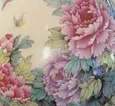
Peony Motif
Peony Motif
牟丹纹
Flower of wealth and honour. Dominant floral motif in overglaze enamel production, especially Fencai.
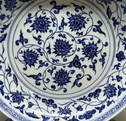
Baoxiang Floral Motif
宝相纹
Stylised composite flower with Buddhist origins. Used as border, medallion, and central repeat element.
Honeysuckle Motif
Honeysuckle Motif
卅冬纹
Continuous vine scroll motif with classical origins. Standard border treatment across dynasties.
Pomegranate Motif
Pomegranate Motif
石榴纹
Symbol of fertility and abundance. Appears as burst fruit revealing seeds on vases and dishes.
Landscape Motif
Landscape Motif
山水纹
Mountains, water, and pine. The scholar aesthetic translated onto the vessel surface.
Wave Motif
Wave Motif
海水纹
Stylised sea waves as border or ground register. Associated with cosmic and imperial imagery.
Narrative Figure Motif
人物故事纹
Figures in landscape or court settings depicting literary, historical, or mythological scenes.
Fish & Algae Motif
Fish & Algae Motif
鱼藻纹
Fish among water plants. Associated with abundance and scholarly reserve. Strong Xuande and Chenghua presence.
Bat Motif
Bat Motif
蝙蝠纹
Symbol of good fortune. Five bats represent the Five Blessings. Prevalent in Qing overglaze production.
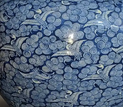
Crane Motif
Crane Motif
鹤纹
Symbol of longevity and immortality. Often shown ascending through clouds or among pine trees.
Ruyi Motif
Ruyi Motif
如意纹
As-you-wish sceptre head form. Used as border, corner ornament, and auspicious repeat element.

In Jingdezhen porcelain, motifs are not ornament. They are structured vocabularies — codified across dynasties to convey imperial authority, cosmological order, seasonal rhythm, and auspicious meaning. Each motif carries a specific visual grammar, compositional logic, and symbolic function.

These are not decorative choices. They are systems of meaning embedded in surface.

The Dragon

The dragon is the supreme imperial motif in Chinese porcelain. It represents the emperor, cosmic authority, and the generative power of nature. Five-clawed dragons were reserved for imperial use; four- and three-clawed variants appeared on lesser ranks and export wares. Dragon compositions follow strict spatial conventions — coiling through clouds, chasing flaming pearls, or emerging from waves.

Explore Dragon Works →