Menu
The Tradition · Qing Dynasty · Yongzheng
1723 – 1735
Restraint over spectacle. Proportion over ornament. The Qing moment of quiet perfection.
Historical Context
The Yongzheng Emperor is one of the most complex figures in Qing history — a rigorous, exacting ruler who transformed both the administration of empire and the aesthetic direction of its court culture. He reigned for only thirteen years, but the porcelain produced under his supervision represents one of the most consistently refined bodies of work in Chinese ceramic history.
Where Kangxi was characterised by diversity and technical ambition across a wide range of styles, Yongzheng imposed discipline. Forms were carefully proportioned, decoration was restrained and precisely placed, and the overall visual language moved decisively toward elegance over spectacle. The Emperor is known to have personally approved designs and issued detailed critiques of kiln output.
The period is particularly associated with the development of famille rose — a new palette of opaque, pink-toned enamels derived from colloidal gold, introduced from European techniques via Jesuit intermediaries. In Yongzheng hands, this palette was applied with extraordinary subtlety: thin washes, gradated tones, and a lightness that distinguished it sharply from the bold famille verte of the Kangxi era.
Material Development
Famille rose — opaque pink-toned enamels from colloidal gold, applied with exceptional delicacy
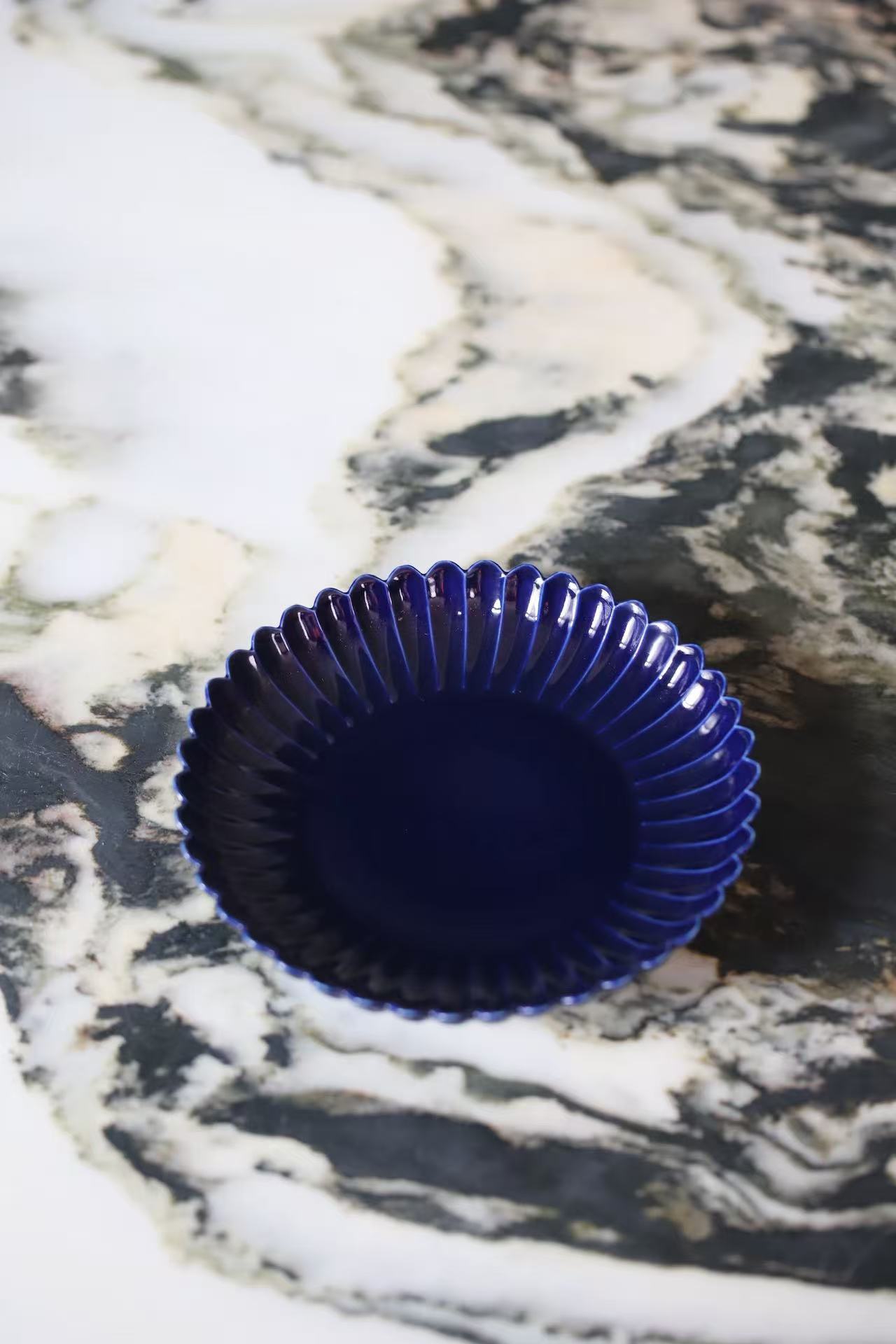
Refined monochromes — celadon, powder blue, peachbloom, each technically demanding
Archaistic revival glazes — Song-style monochromes produced as court study objects
Supremely thin walls — translucent body construction approaching Song-era standards
Representative Forms
Period Position
Yongzheng occupies the position in the Qing sequence that Chenghua holds in the Ming — a brief, intensely disciplined reign producing objects of exceptional refinement. It is the period most often cited by connoisseurs as the apex of Qing aesthetic achievement: not the most technically diverse, but the most precisely calibrated.
Historical Context
The Yongzheng Emperor was among the most personally engaged rulers in the history of Chinese ceramic patronage. He issued detailed instructions from court to the kilns at Jingdezhen — specifying proportions, colour tones, and decoration — and his aesthetic sensibility was unmistakably one of restraint, precision, and classical reference. Yongzheng blue-and-white is characterised by a pale, slightly milky blue tone and compositions of deliberate sparseness.
The period is also associated with technically demanding copies of Song and Ming archaistic forms, executed with a fidelity that required extraordinary kiln control. Yongzheng represents the Qing equivalent of Chenghua's Ming moment — a period of restrained perfection in an age otherwise trending toward elaboration.
Contemporary objects connected to this tradition
Continue exploring