Menu
The Tradition · Qing Dynasty
1644 – 1912
Famille rose. Archaistic mastery. The closing of the imperial arc.
← ChronologieReign Periods
1662–1722
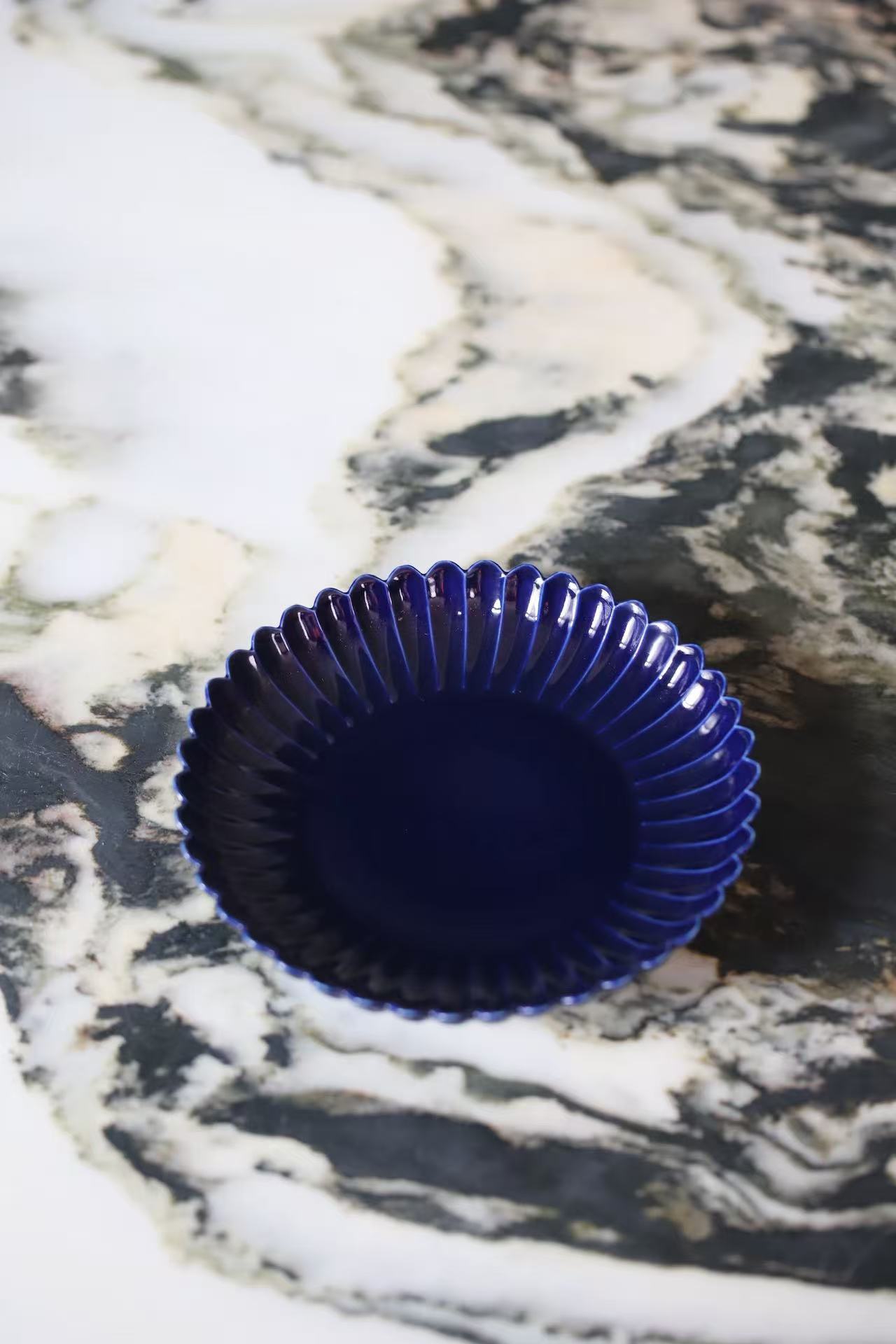
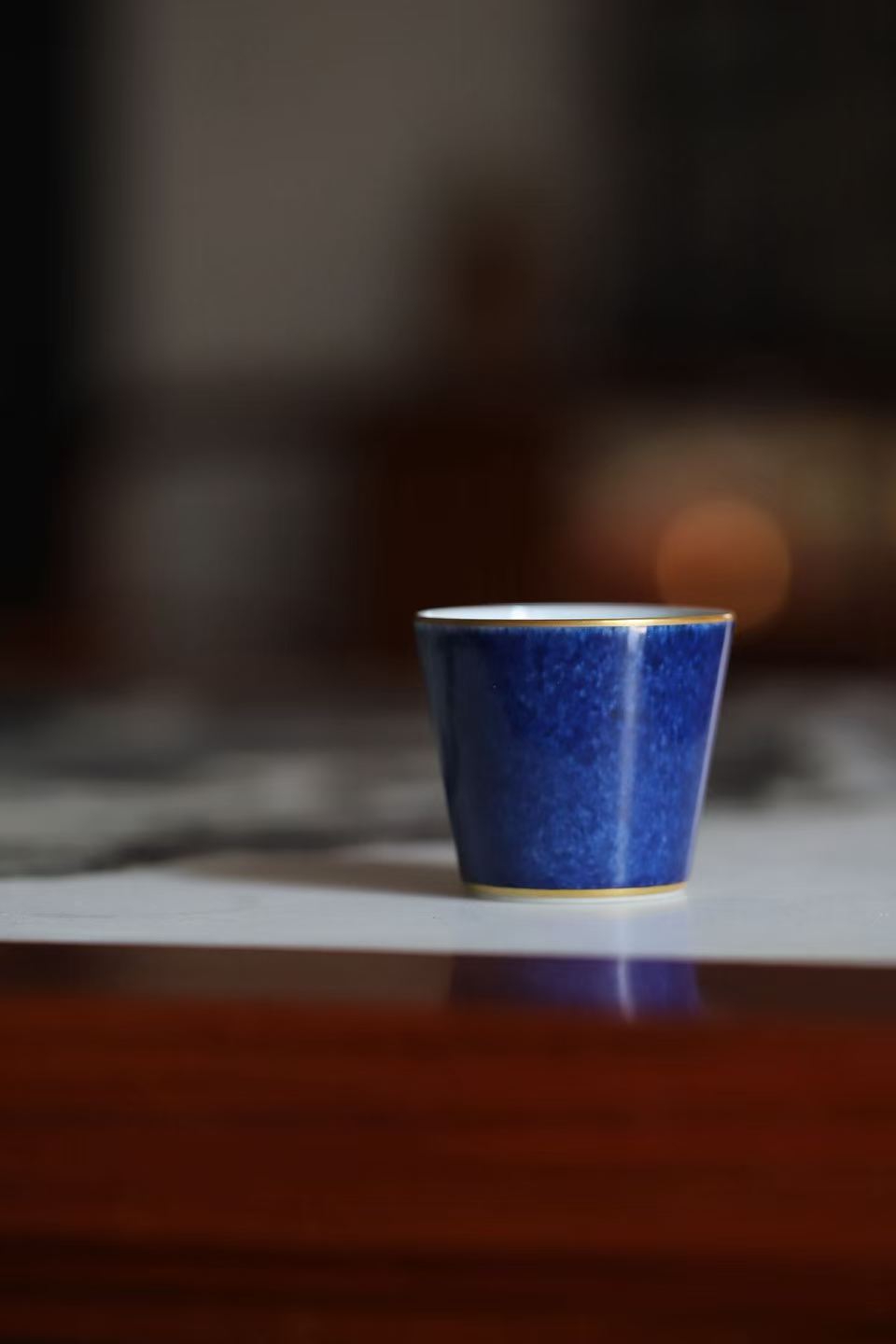
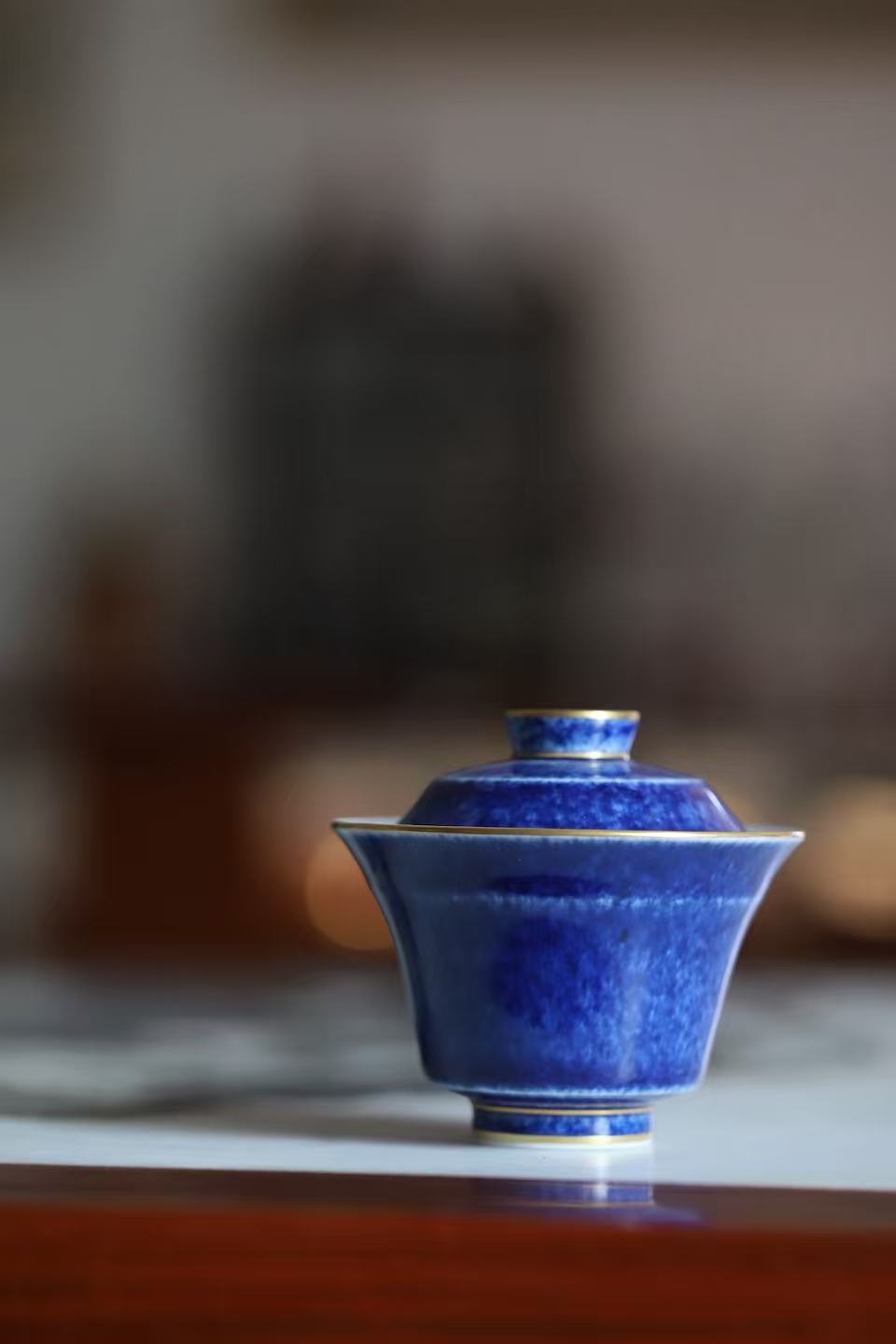
Bright cobalt. Famille verte. Revived kiln control after dynastic transition.
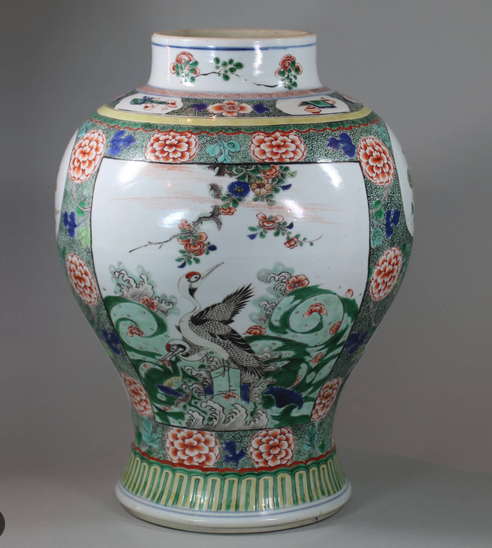
1723–1735
Delicate pastel tones. Refined minimalism. Archaistic recovery at its peak.
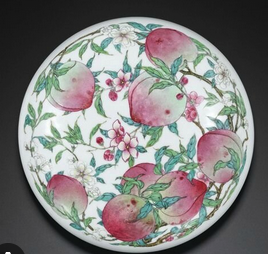
1736–1795
Complex enamels. Technical virtuosity. Imperial symbolism at its zenith.
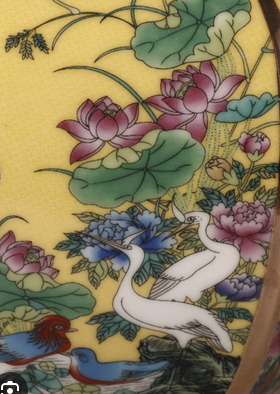
1796–1820
Structured but slightly heavier forms. Gradual simplification of imperial output.

1821–1850
Simplified decoration, restrained enamel use. Conservative continuity.
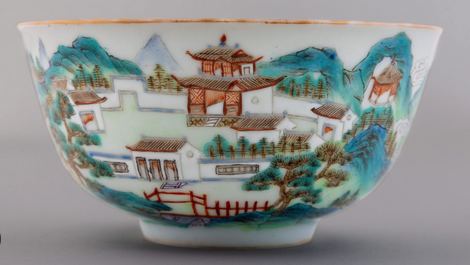
1851–1861
Reduced production stability. Disrupted by internal conflict.
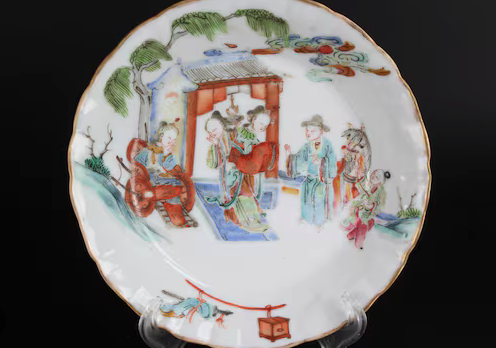
1862–1874
Revival attempts of earlier styles. Restoration-era production.
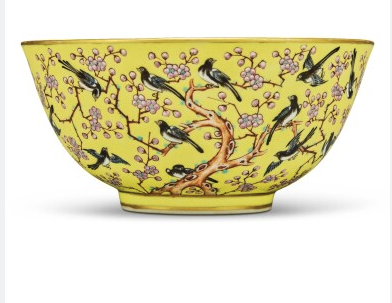
1875–1908
Revivalist motifs, export refinement. Late imperial ambition.

1909–1912
Late imperial continuity pieces. The final reign.
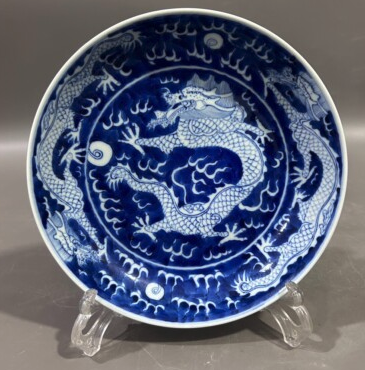
Material Development
Famille rose (fencai) — opaque pink enamel derived from colloidal gold, enabling gradated shading
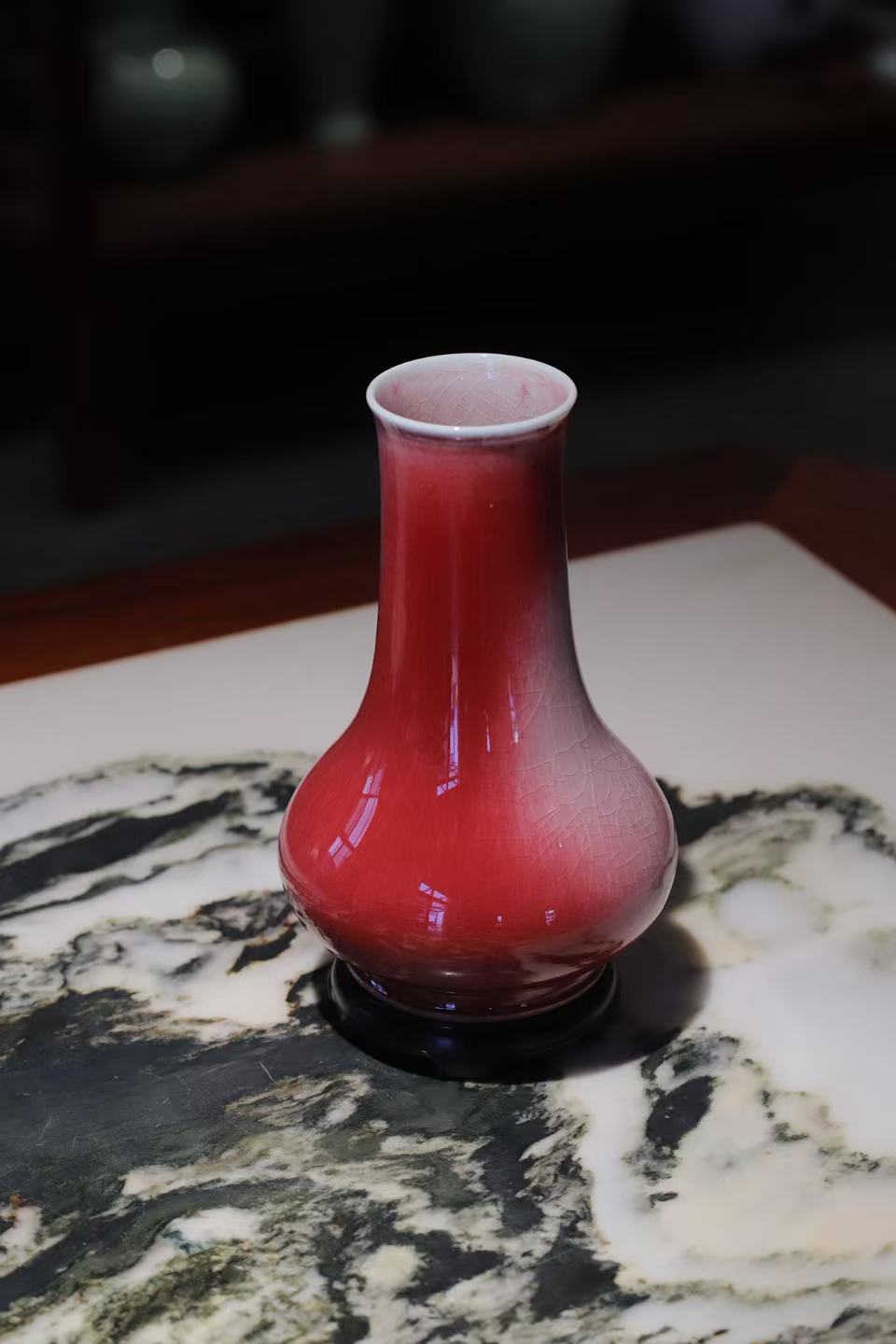
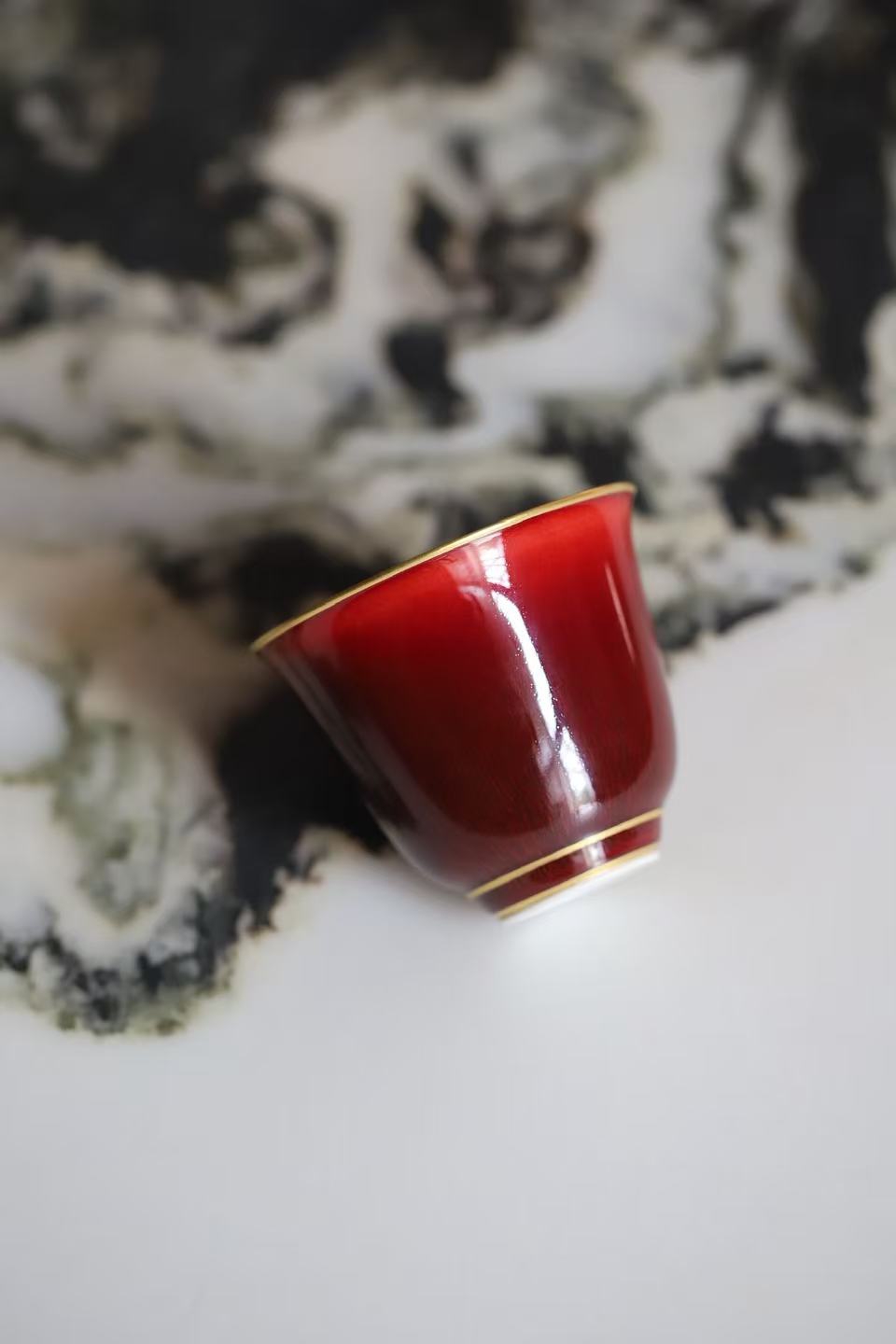
Copper-red monochrome — oxblood (langyao) and peach bloom, technically demanding reduction glazes
Archaistic glaze recovery — Song Ru and Jun glazes reproduced with near-forensic accuracy
Enamel-on-biscuit — direct application of enamels to unglazed body, enabling intensified colour
Representative Forms
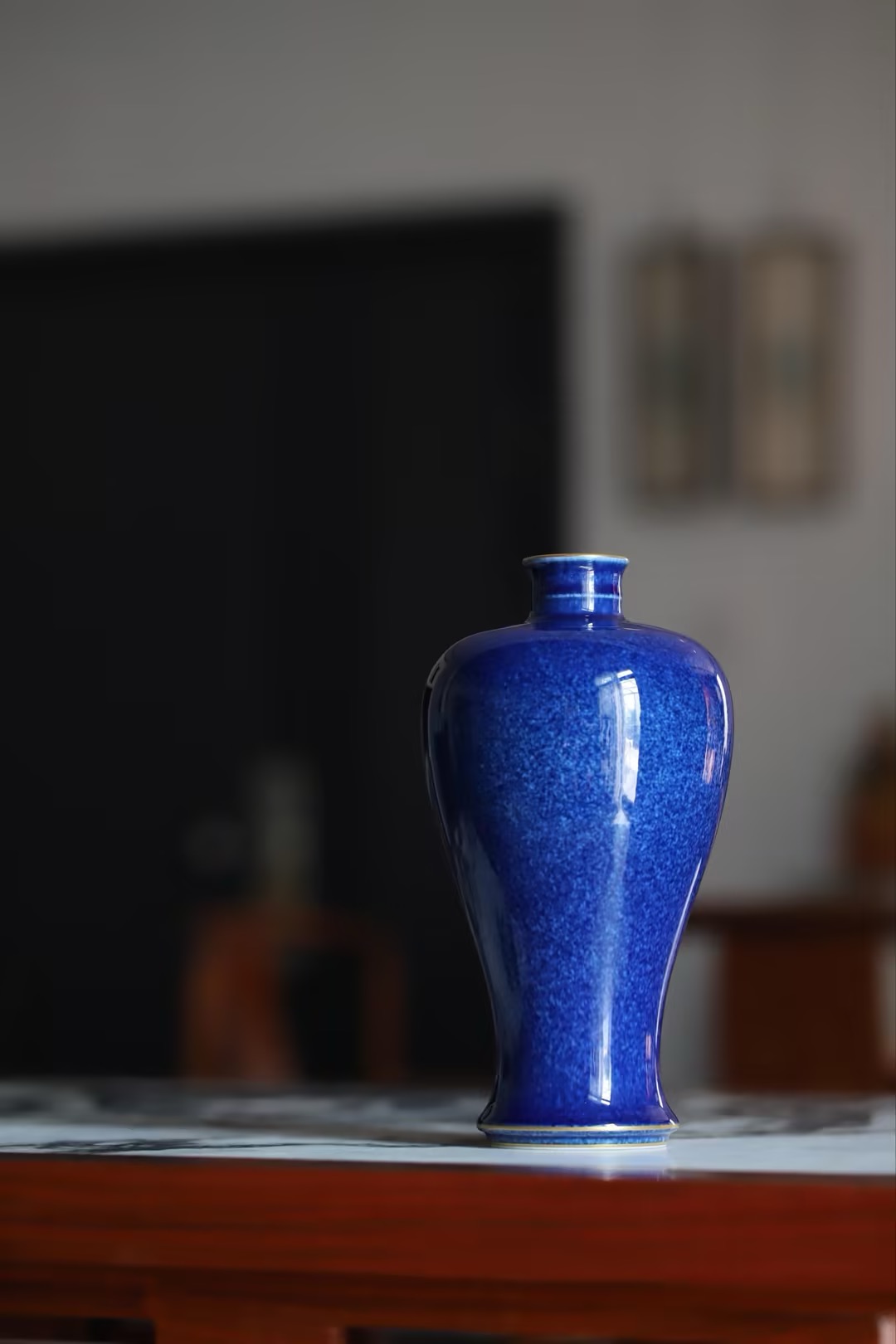
粉彩瓶
Bottle & Vase Form
抱月瓶
Bottle & Vase Form
碗
Bowls & Serving Form
Structural Continuity
With the fall of the Qing in 1912, the unbroken line of imperial ceramic production — spanning nearly a thousand years from Song to Qing — came to an end. What remains is an archive: of form, of technique, of imperial intention. Blue Fir exists to maintain the rigour of that archive, without nostalgia, without invention.
Continue exploring