
Menu
苏麻离青
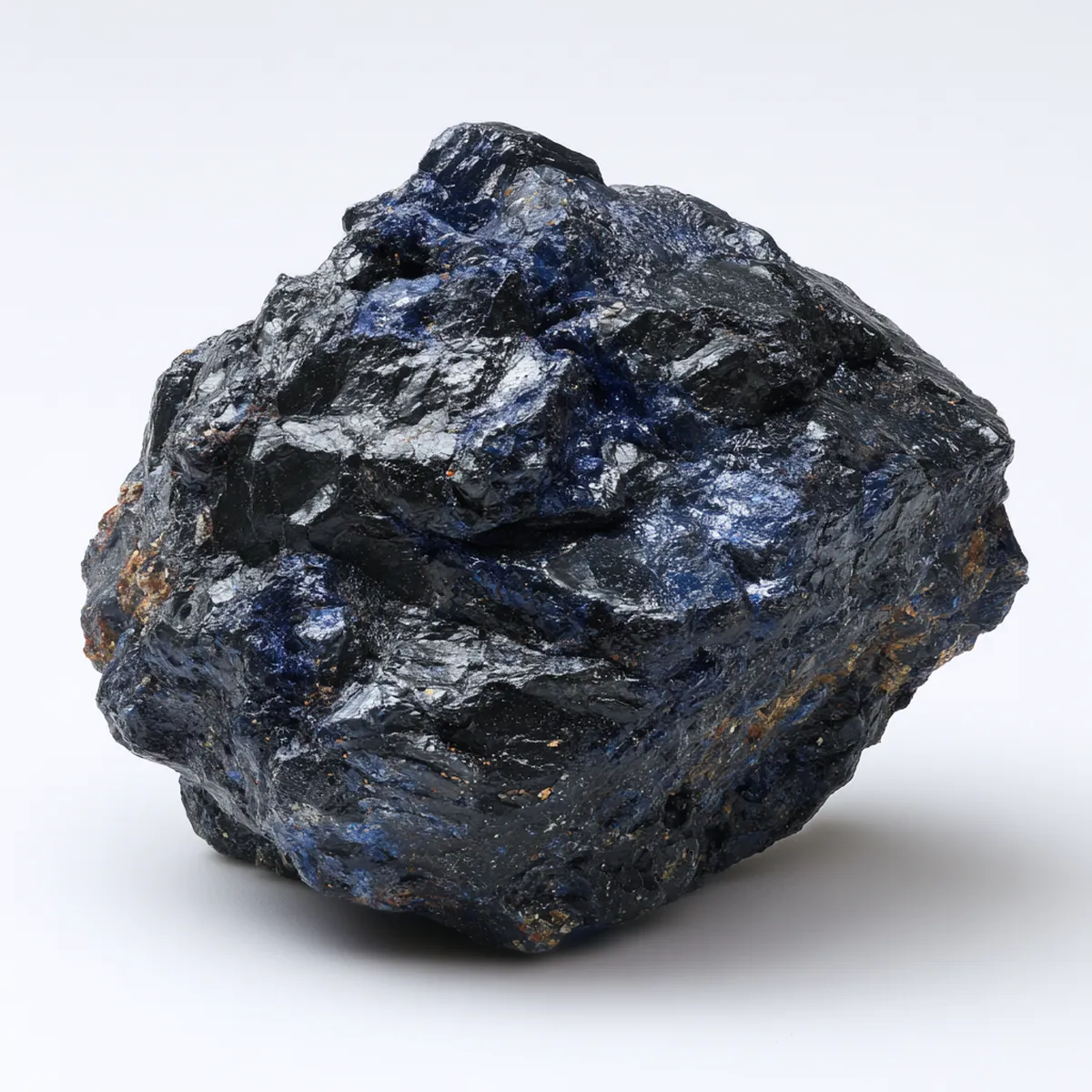
Imported cobalt traditionally known as Sumaliqing, associated with Yuan and early Ming blue-and-white
Technical Description
Sumaliqing (苏麻离青, also romanised Su Ma Li Qing) is the name traditionally given to an imported cobalt pigment associated especially with Yuan and early Ming blue-and-white porcelain from Jingdezhen. Historical texts and compositional studies associate early Jingdezhen blue-and-white with imported cobalt, while the precise geological source of the material traditionally called Sumaliqing remains debated. Persia is the origin most often cited, but it should be read as the traditional attribution rather than a settled fact.
Compared with domestic Chinese cobalt, this pigment is generally described as lower in manganese and higher in iron, which is what allows the dense blue and dark spotting to form under the glaze. As imported supply became irregular after the early fifteenth century, Jingdezhen relied increasingly on domestic cobalt, which gives a softer, more even blue. These visual qualities are one of the cues used when discussing early Ming blue-and-white; on their own they are never proof of date.
Further Reading
Blue Fir objects in this glaze or material
Continue exploring
Period
Yuan DynastyPeriod
Ming · YongleMaterial
Domestic Ming CobaltTechnique
Qinghua / Blue-and-White