Menu
The Tradition · Ming Dynasty · Yongle
1403 – 1424
Thin bodies. Imported cobalt. The imperial vessel refined to its first perfection.
← Ming DynastyHistorical Context
The Yongle Emperor — Zhu Di — was the most ambitious ruler of the early Ming. His reign saw the Forbidden City constructed, the capital moved from Nanjing to Beijing, and Zheng He’s great fleets dispatched across the Indian Ocean. Porcelain was inseparable from this project of imperial projection.
At Jingdezhen, the Imperial Kiln Factory was formally organized under Yongle, bringing court ceramics under systematic state oversight for the first time. The kilns were expected to produce objects worthy of a court that considered itself the centre of the world.
Imported Sumali cobalt from Persia gave Yongle blue-and-white its distinctive deep, jewel-like tone. The combination of this material with refined local clay bodies and disciplined kiln technique produced vessels of unusual clarity and proportion — objects that projected authority not through size alone but through refinement.
Material Development
Sumali cobalt — imported Persian pigment producing deep sapphire-blue tone
Refined clay body — exceptional whiteness and translucency enabling tonal subtlety
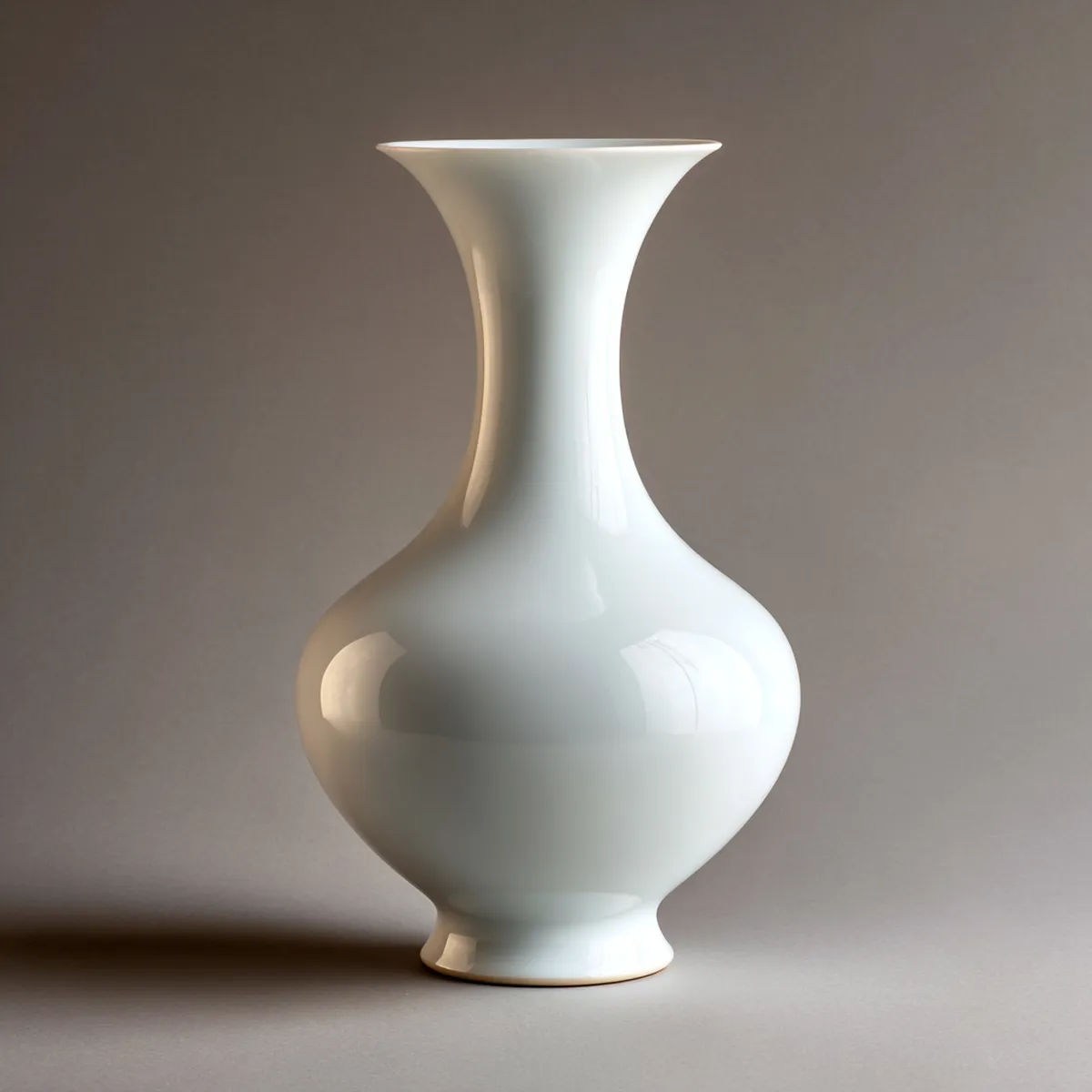
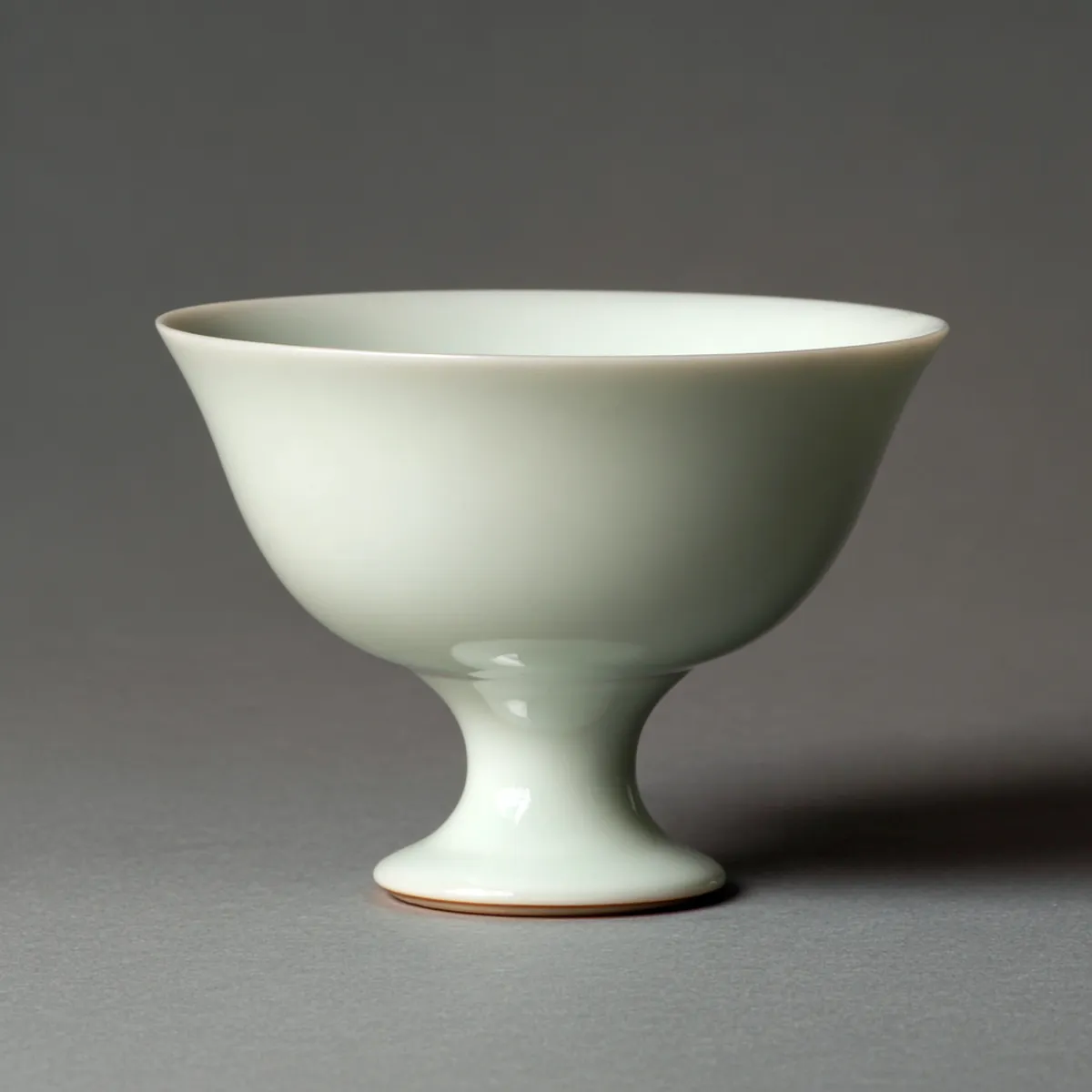
Tianbai glaze — sweet white monochromes, technically demanding, associated with Yongle
High-temperature reduction firing — controlled atmosphere sustaining glaze brilliance
Representative Forms
Period Position
Yongle porcelain represents the first moment of sustained imperial excellence in blue-and-white. Building on Yuan innovation, Yongle established the formal language — thin bodies, deep cobalt, balanced proportions — that Xuande would then perfect. The period is the essential foundation of imperial Ming production.
Contemporary objects connected to this tradition
Continue exploring