Menu
单色釉
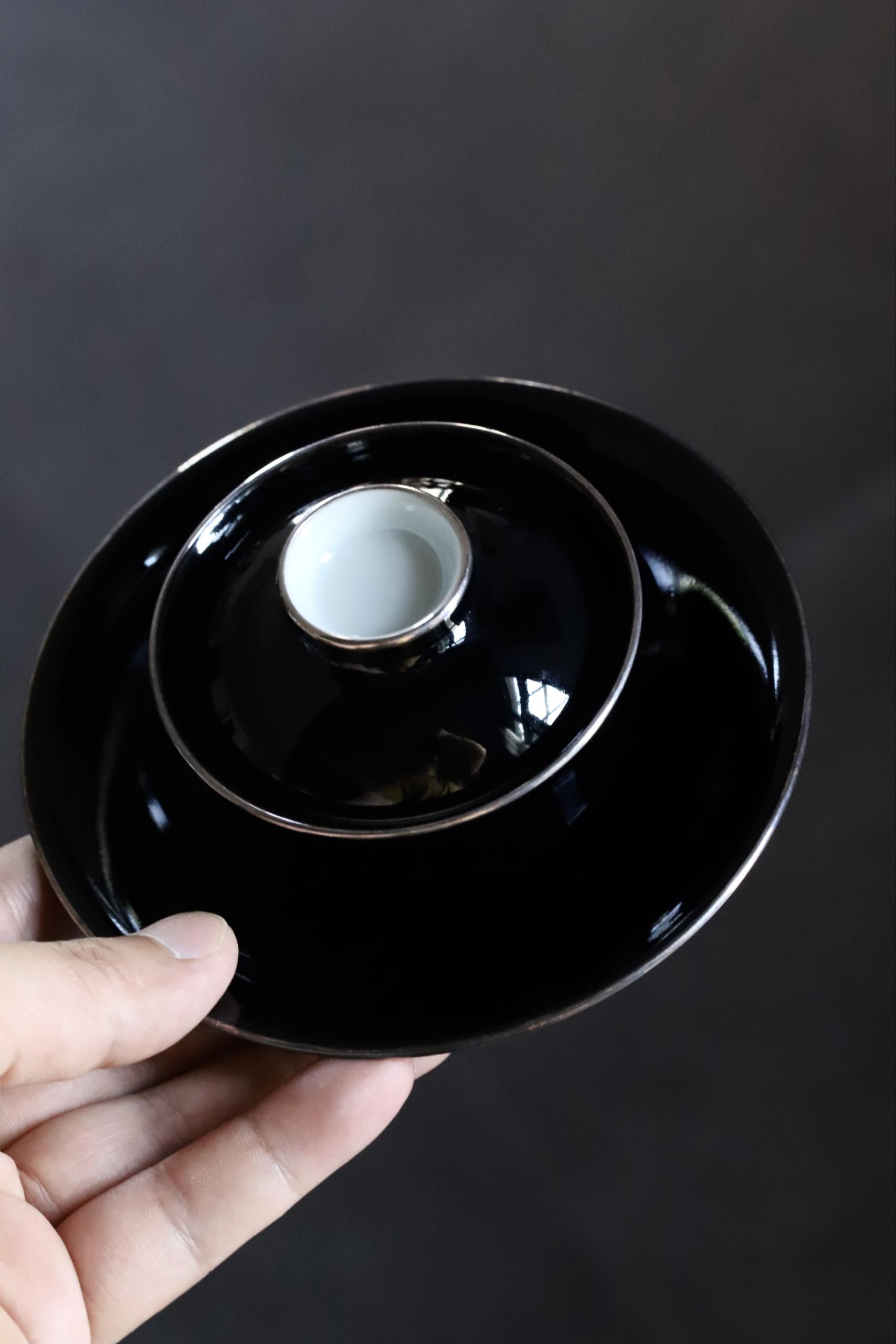
Objects in which the glaze itself — colour, depth, texture, transparency and firing — becomes the primary decoration.
Technical Structure
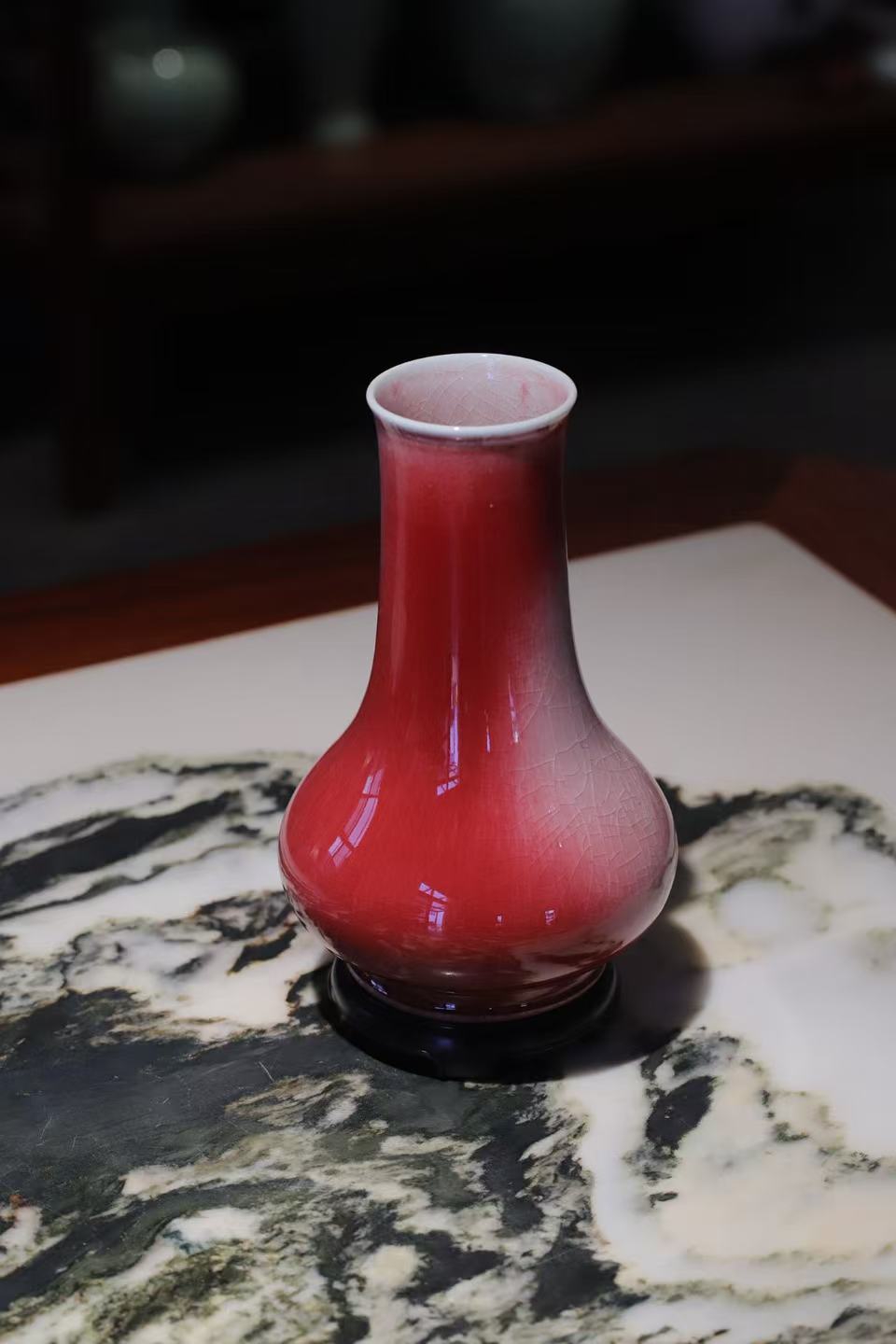
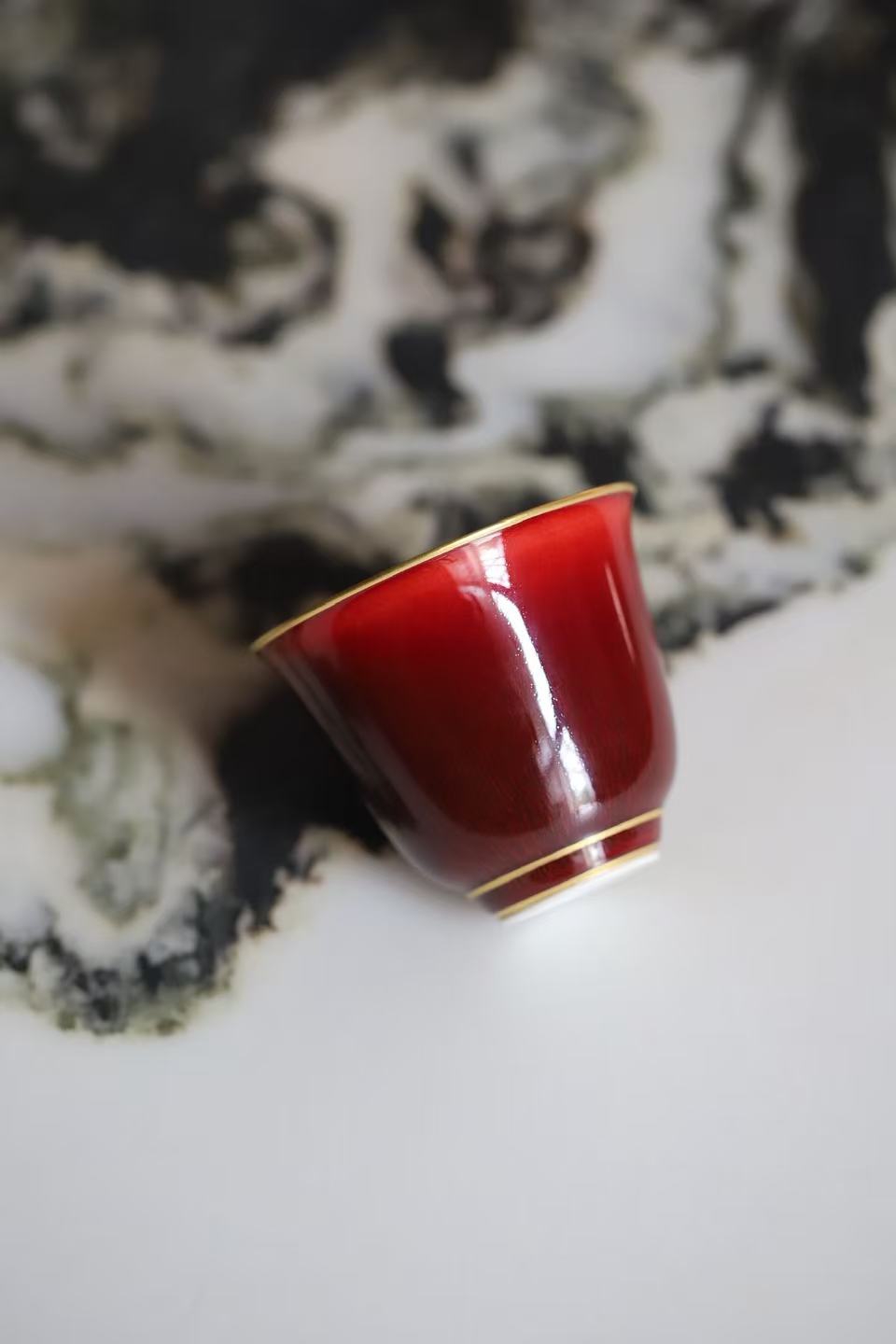
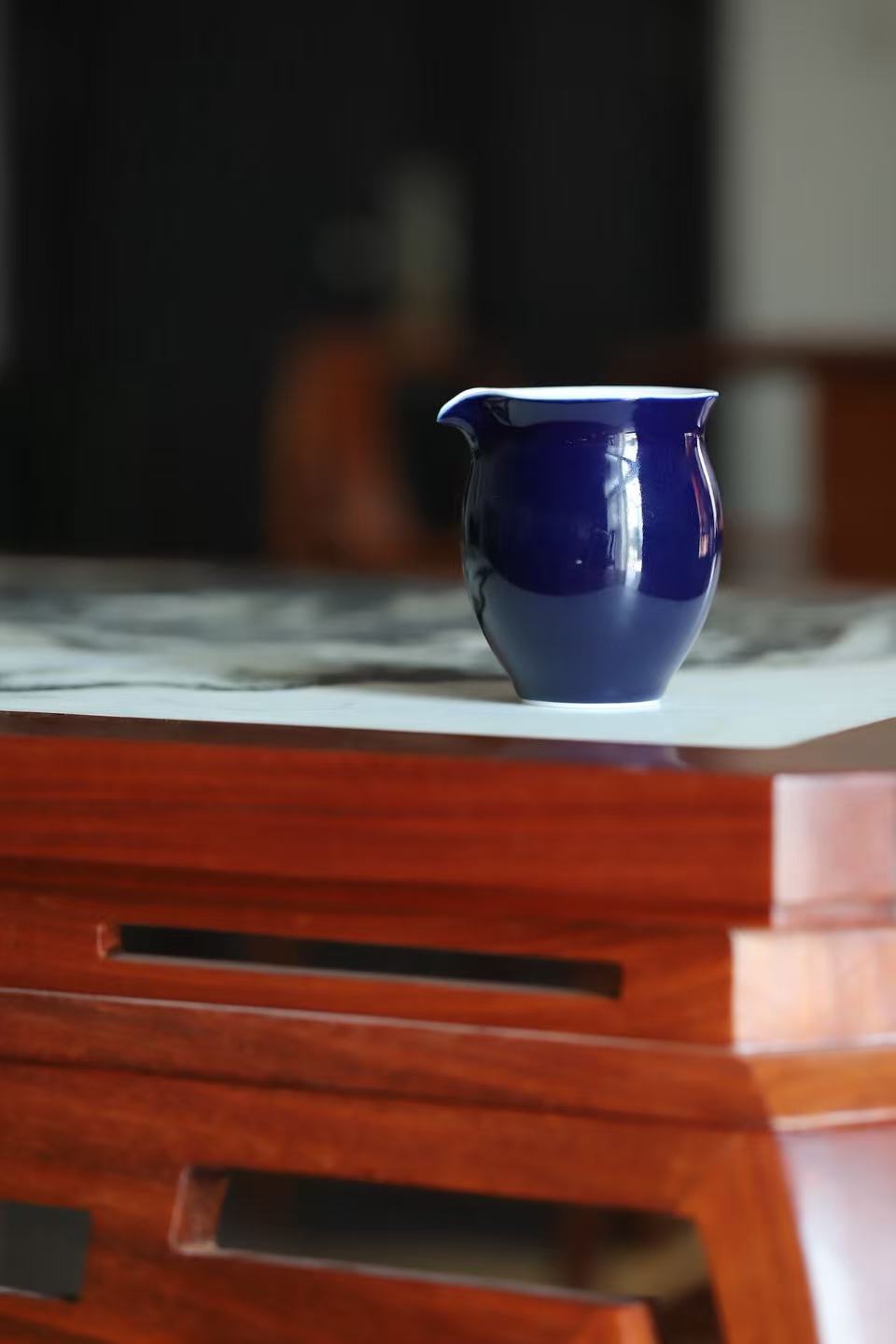
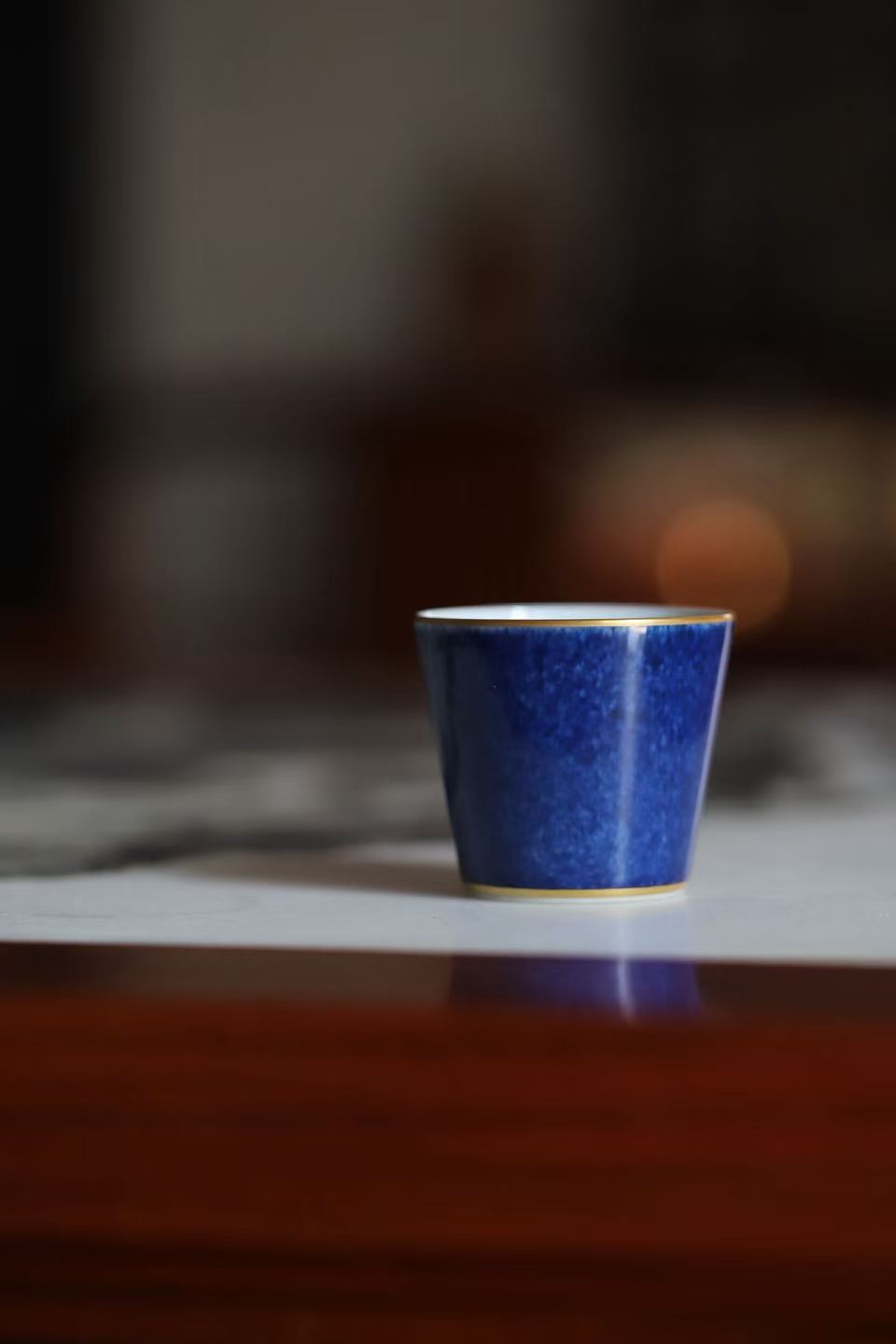
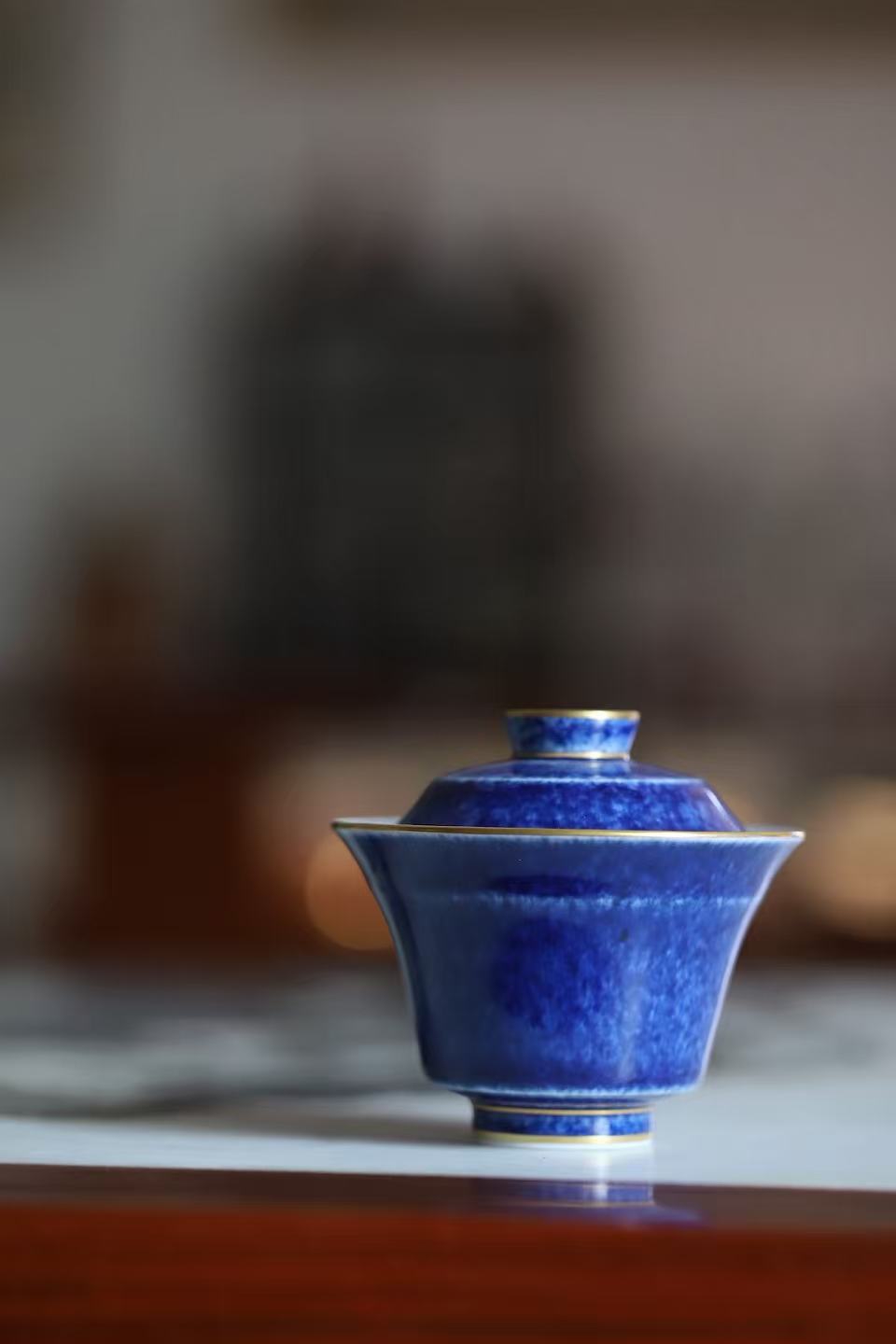
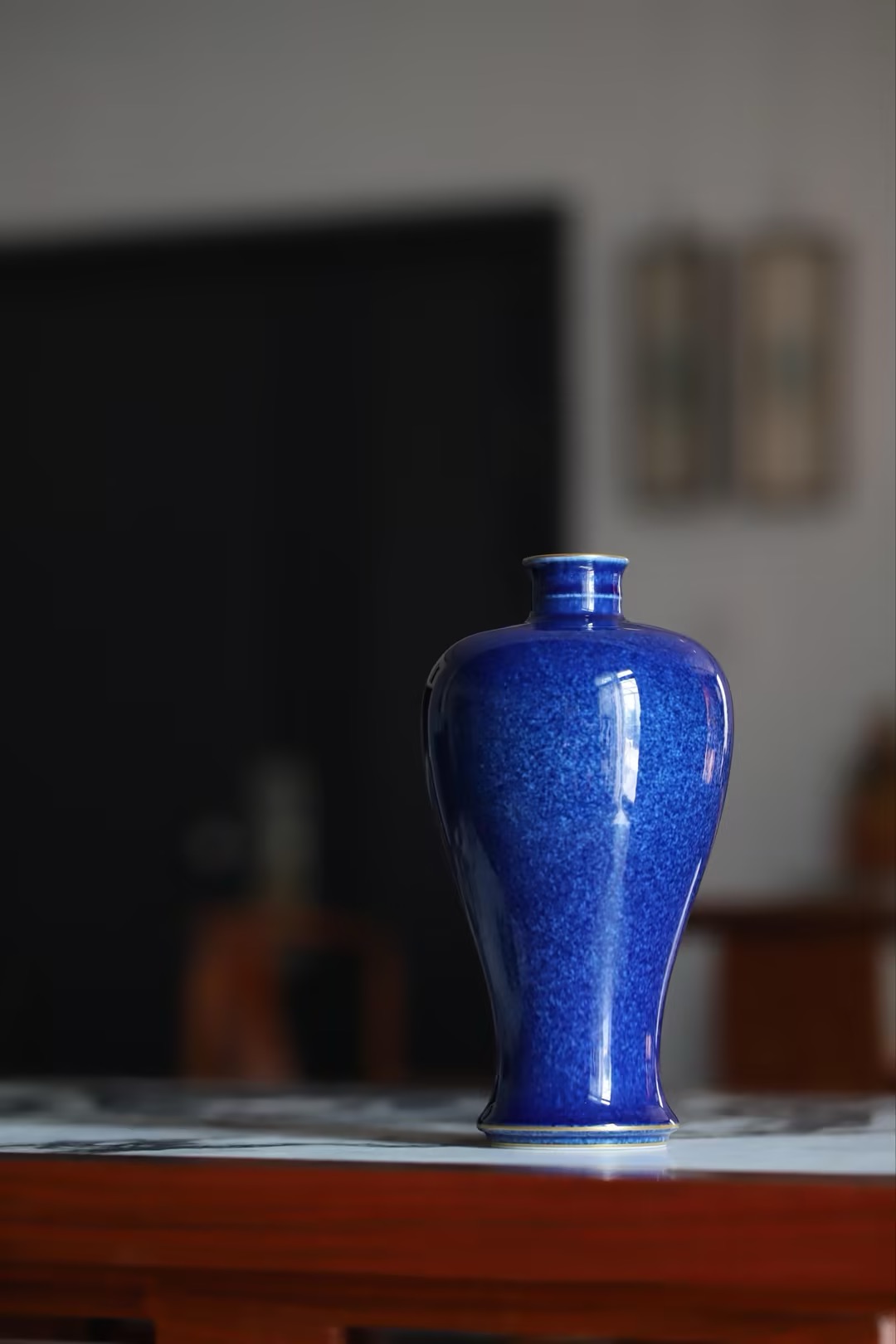
In most monochromes the colour is created by or within the glaze itself: its mineral composition, its thickness, and the temperature and atmosphere of the kiln. Copper fired in reduction gives red; iron gives celadon greens, yellows, browns and black; cobalt mixed into the glaze gives deep blue. A few monochromes reach their single colour differently: in sǎlán, or powder blue, cobalt is blown onto the body beneath a transparent glaze — a monochrome result made with an underglaze technique.
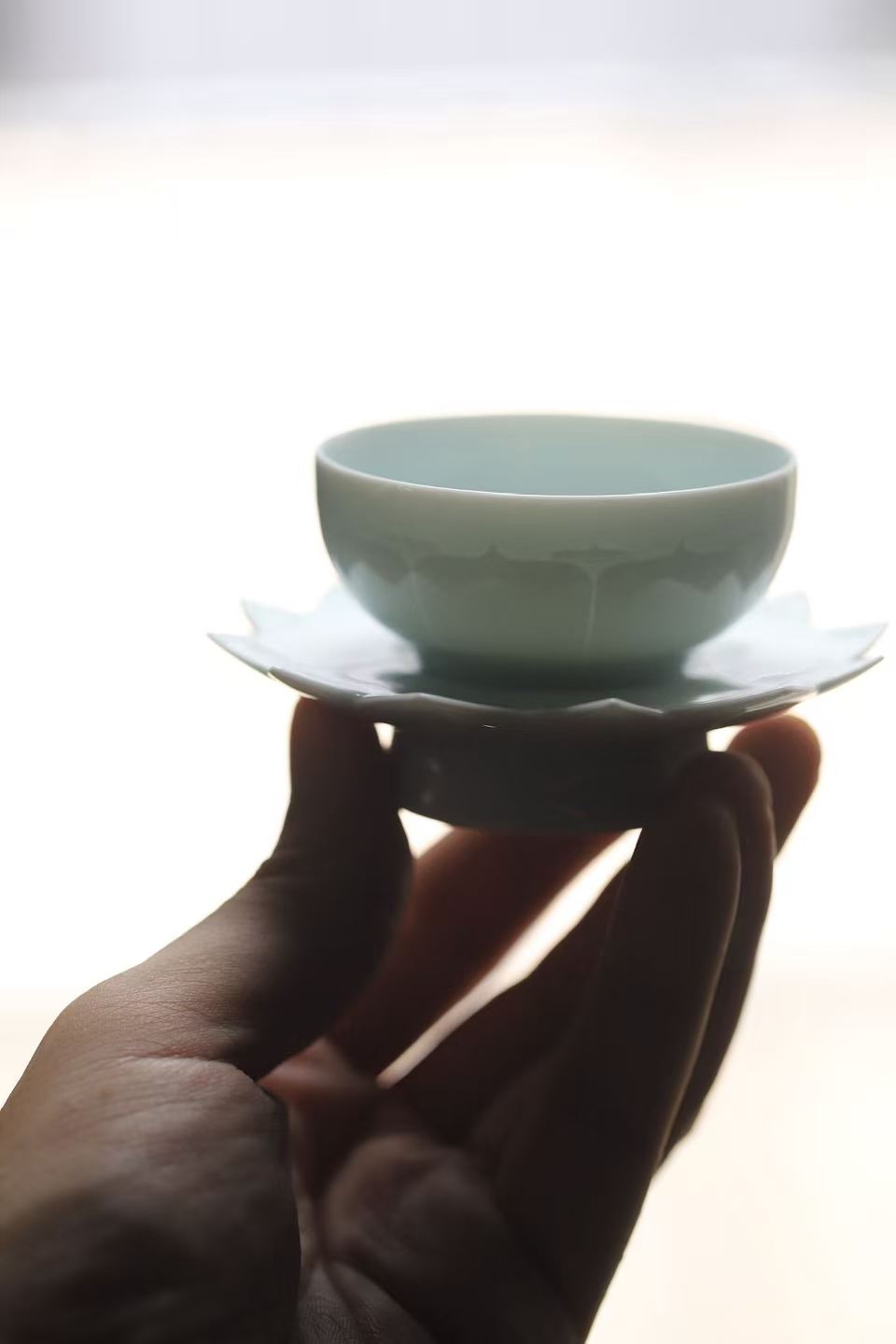
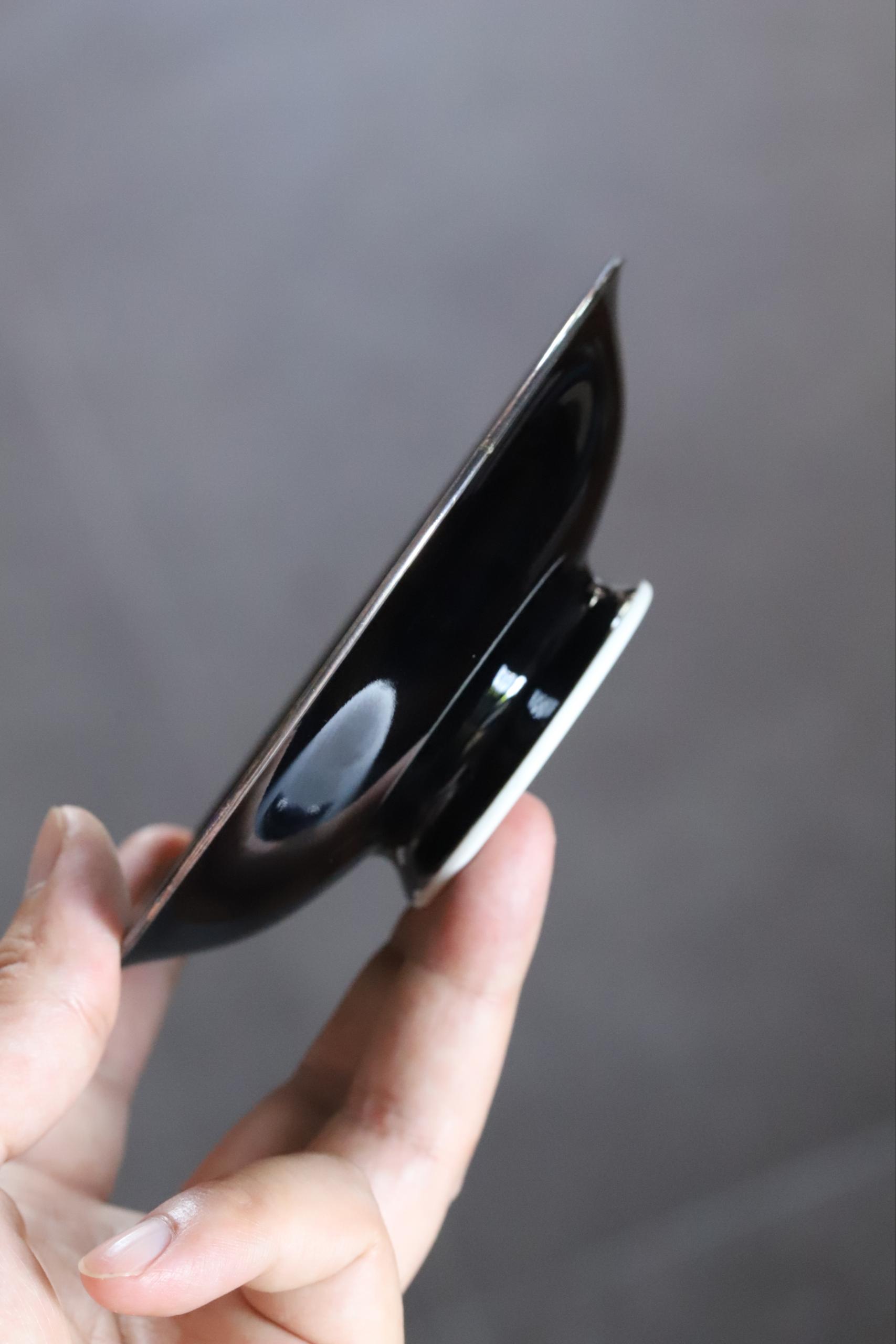
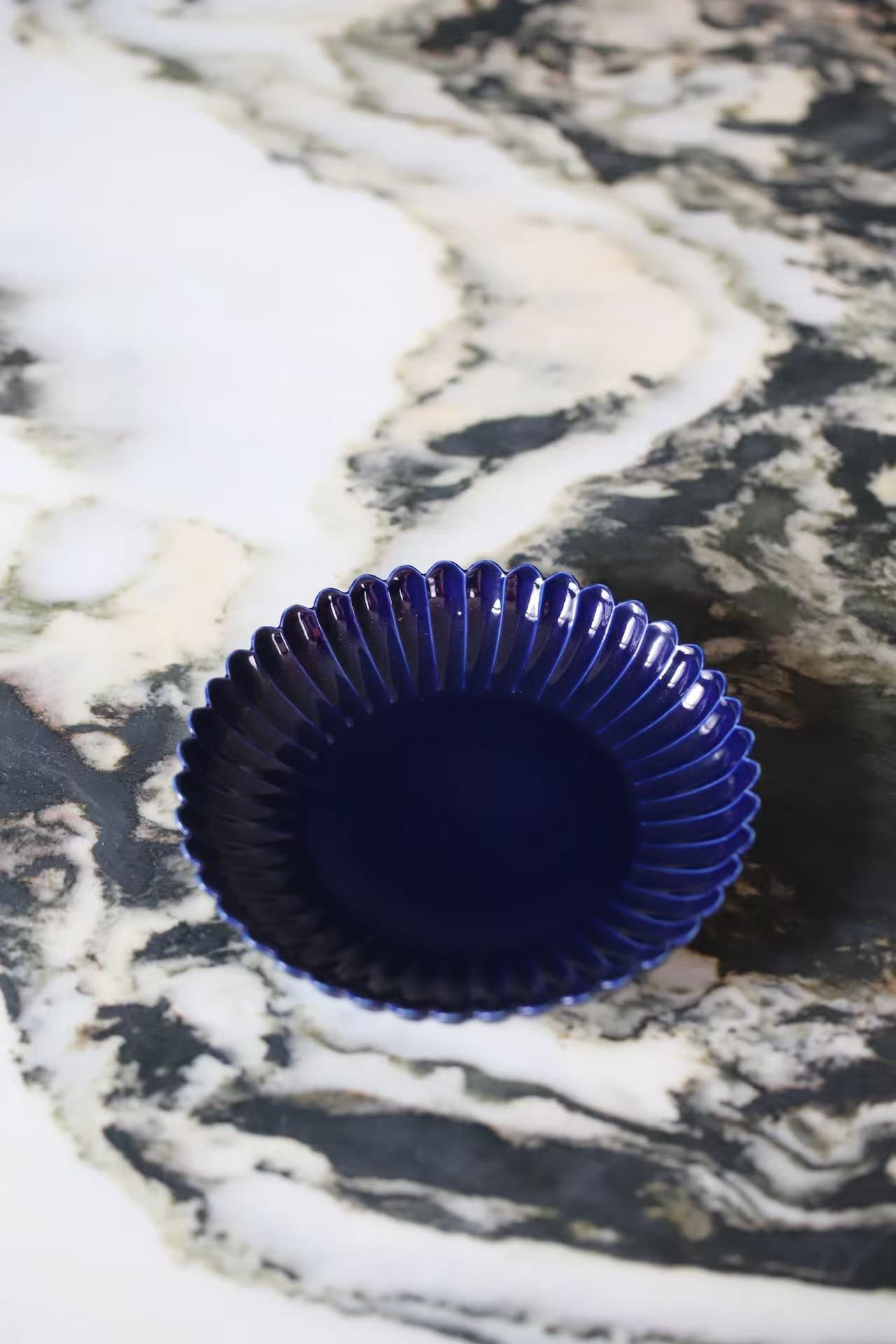
With nothing painted to draw the eye, the glaze has nowhere to hide. Quality is read in the evenness and depth of the colour, in the way the glaze thins at rims and edges and pools at the foot, and in the surface itself: its gloss, transparency or softness. Some colours, especially the copper reds, have been among the hardest to fire reliably at any point in Jingdezhen's history.
Blue Fir objects using this decorative system